
 Loved it
The Road has become the quintessential apocalyptic novel of the 21st century. It's Cormac McCarthy I think near or at his best in terms of the efficiency, the heart, the characters that you do really feel invested in.
Review 1 of 4
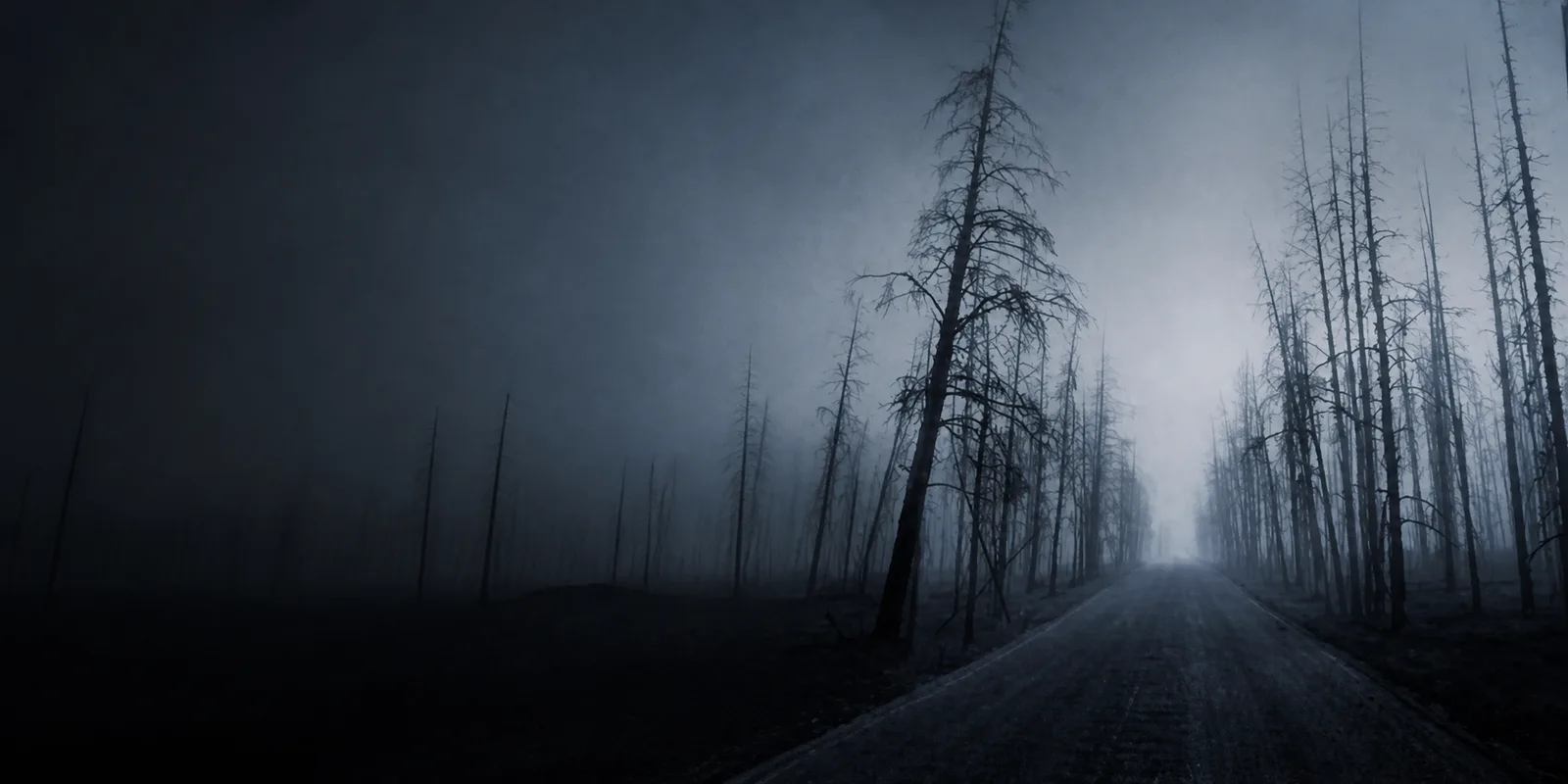
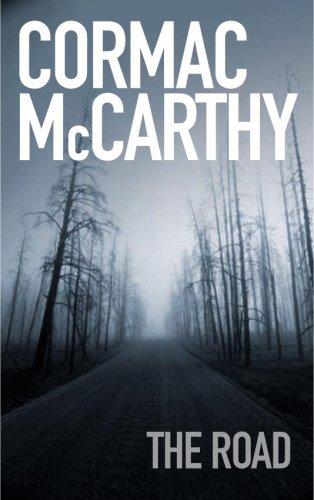
Others: Mostly positive Cormac McCarthy's tenth novel, The Road, is his most harrowing yet deeply personal work. Some unnamed catastrophe has scourged the world to a burnt-out cinder, inhabited by the last remnants of mankind and a very few surviving dogs and fungi. The sky is perpetually shrouded by dust and toxic particulates; the seasons are merely varied intensities of cold and dampness. Bands of cannibals roam the roads and inhabit what few dwellings remain intact in the woods. Through this nightmarish residue of America a haggard father and his young son attempt to flee the oncoming Appalachian winter and head towards the southern coast along carefully chosen back roads. Mummified corpses are their only benign companions, sitting in doorways and automobiles, variously impaled or displayed on pikes and tables and in cake bells, or they rise in frozen poses of horror and agony out of congealed asphalt. The boy and his father hope to avoid the marauders, reach a milder climate, and perhaps locate some remnants of civilization still worthy of that name. They possess only what they can scavenge to eat, and the rags they wear and the heat of their own bodies are all the shelter they have. A pistol with only a few bullets is their only defense besides flight. Before them the father pushes a shopping cart filled with blankets, cans of food and a few other assets, like jars of lamp oil or gasoline siphoned from the tanks of abandoned vehicles—the cart is equipped with a bicycle mirror so that they will not be surprised from behind. Through encounters with other survivors brutal, desperate or pathetic, the father and son are both hardened and sustained by their will, their hard-won survivalist savvy, and most of all by their love for each other. They struggle over mountains, navigate perilous roads and forests reduced to ash and cinders, endure killing cold and freezing rainfall. Passing through charred ghost towns and ransacking abandoned markets for meager provisions, the pair battle to remain hopeful. They seek the most rudimentary sort of salvation. However, in The Road, such redemption as might be permitted by their circumstances depends on the boy’s ability to sustain his own instincts for compassion and empathy in opposition to his father’s insistence upon their mutual self-interest and survival at all physical and moral costs. The Road was the winner of the 2006 Pulitzer Prize for Literature.
Genres: science fiction, horror, literary fiction
Lists: …
Kazuo Ishiguro
2005 · 288 pages · 14 reviews
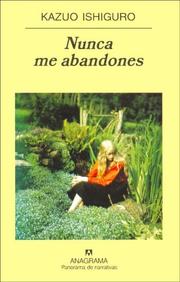
Others: Mostly positiveIshiguro explores what it means to have a soul and how art distinguishes man from other life forms. But above all, Never Let Me Go is a study of friendship and the bonds we form which make or break while we come of age.
What made the match, strongest first
Richard Matheson
1954 · 162 pages · 10 reviews
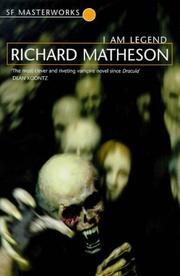
Others: Mostly positiveSee work: https://openlibrary.org/works/OL64225W
What made the match, strongest first
Ray Bradbury
1953 · 179 pages · 11 reviews
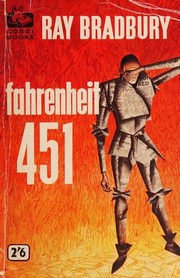
Others: Mostly positiveFahrenheit 451 is a 1953 dystopian novel by American writer Ray Bradbury. Often regarded as one of his best works, the novel presents a future American society where books are outlawed and "firemen" burn any that are found. The book's tagline explains the title as "'the temperature at which book paper catches fire, and burns": the autoignition temperature of paper. The lead character, Guy Montag, is a fireman who becomes disillusioned with his role of censoring literature and destroying knowledge, eventually quitting his job and committing himself to the preservation of literary and cultural writings. The novel has been the subject of interpretations focusing on the historical role of book burning in suppressing dissenting ideas for change. In a 1956 radio interview, Bradbury said that he wrote Fahrenheit 451 because of his concerns at the time (during the McCarthy era) about the threat of book burning in the United States. In later years, he described the book as a commentary on how mass media reduces interest in reading literature. In 1954, Fahrenheit 451 won the American Academy of Arts and Letters Award in Literature and the Commonwealth Club of California Gold Medal. It later won the Prometheus "Hall of Fame" Award in 1984 and a "Retro" Hugo Award, one of a limited number of Best Novel Retro Hugos ever given, in 2004. Bradbury was honored with a Spoken Word Grammy nomination for his 1976 audiobook version.
What made the match, strongest first
Stephen King
2006 · 480 pages · 2 reviews
 Others: Mostly negative
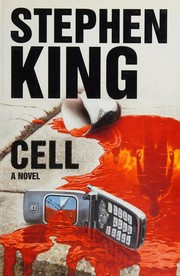
Cell is a 2006 apocalyptic horror novel by American author Stephen King. The story follows a New England artist struggling to reunite with his young son after a mysterious signal broadcast over the global cell phone network turns the majority of his fellow humans into mindless vicious animals.
What made the match, strongest first
George Orwell
1949 · 314 pages · 12 reviews
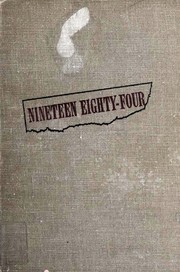
Others: Mostly positiveNineteen Eighty-Four: A Novel, often referred to as 1984, is a dystopian social science fiction novel by the English novelist George Orwell (the pen name of Eric Arthur Blair). It was published on 8 June 1949 by Secker & Warburg as Orwell's ninth and final book completed in his lifetime. Thematically, Nineteen Eighty-Four centres on the consequences of totalitarianism, mass surveillance, and repressive regimentation of persons and behaviours within society. Orwell, himself a democratic socialist, modelled the authoritarian government in the novel after Stalinist Russia. More broadly, the novel examines the role of truth and facts within politics and the ways in which they are manipulated.
What made the match, strongest first
George Orwell
1945 · 118 pages · 4 reviews
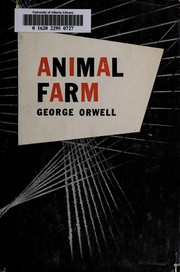
Others: Mostly positiveAnimal Farm is a brilliant political satire and a powerful and affecting story of revolutions and idealism, power and corruption. 'All animals are equal. But some animals are more equal than others.' Mr Jones of Manor Farm is so lazy and drunken that one day he forgets to feed his livestock. The ensuing rebellion under the leadership of the pigs Napoleon and Snowball leads to the animals taking over the farm. Vowing to eliminate the terrible inequities of the farmyard, the renamed Animal Farm is organised to benefit all who walk on four legs. But as time passes, the ideals of the rebellion are corrupted, then forgotten. And something new and unexpected emerges..
What made the match, strongest first
Loved itThe Road has become the quintessential apocalyptic novel of the 21st century. It's Cormac McCarthy I think near or at his best in terms of the efficiency, the heart, the characters that you do really feel invested in.
Not a fanThe problem with my other post-apocalyptic, dark fantasy inspirations is that there's always something negative about the end of the world. The Road has nothing to eat, no sunshine, really bad shoes, and cannibals.
Not a fanThere's some things that were like honestly like The Blog Wife and The Road are two that I didn't love as much as everybody else.
Loved itI loved it. This is a great book. It's desolate. It's lonely. It's bleak.
Loved itIn fact, I read it a second time just to make sure that I was sure that I was correct about how perfect a novel that I think this is.
Loved itof all the Savage post-apocalyptic post nuclear books I've ever read I think this is the best
Loved itfor me reading the road was emotionally impactful I don't have any children but after I finish reading the road I did feel the need to hug my dog
Loved itthis brilliantly written novel chronicles a journey of a father and his son across a very bleak post-apocalyptic landscape and begs the question of what stops people from giving up