 Loved it
of course, the goat of alien invasion stories and still, I think, incredibly effective. I think it's really stood the test of time, which do me well.
Review 1 of 2
 Others: Overwhelmingly positive
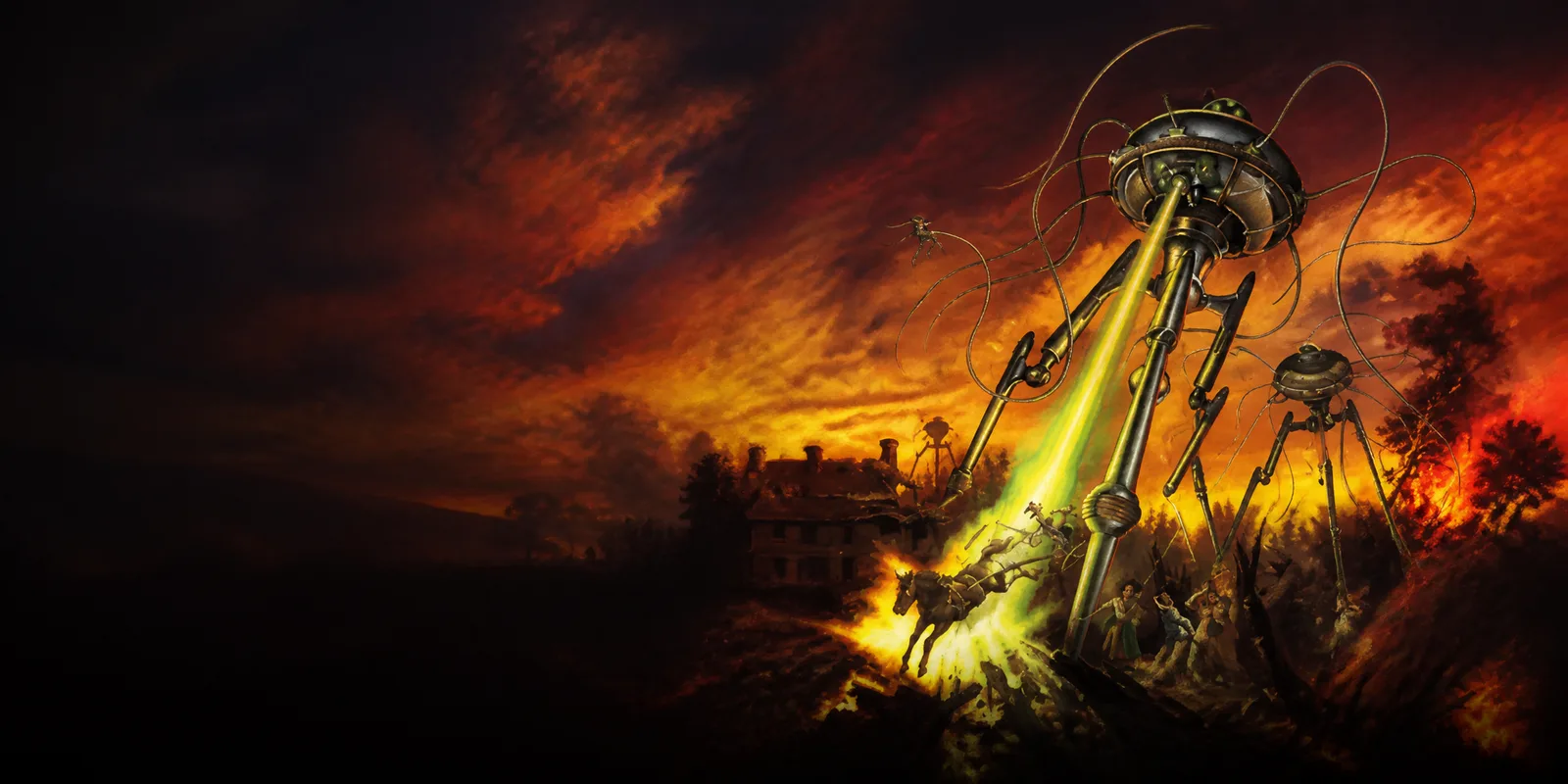
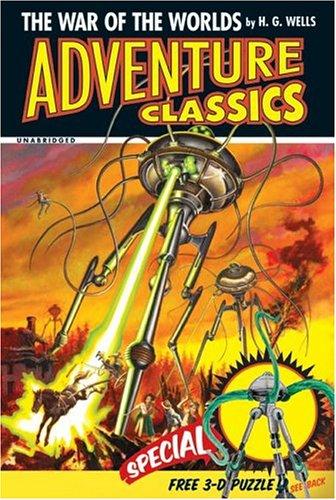
The ultimate science fiction classic: for more than one hundred years, this compelling tale of the Martian invasion of Earth has enthralled readers with a combination of imagination and incisive commentary on the imbalance of power that continues to be relevant today. The style is revolutionary for its era, employing a sophisticated first and third person account of the events which is both personal and focused on the holistic downfall of Earth's society. The Martians, as evil, mechanical and unknown a threat they are, remain daunting in today's society, where, despite technology's mammoth advances, humanity's hegemony over Earth is yet to be called into question. In Well's introduction to the book, where the character discusses with the later deceased Ogilvy about astronomy and the possibility of alien life defeating the 'savage' (to them) nineteenth-century Britain, is he insinuating that this is the truth and fate of humanity? It's up to you to decide…
Genres: fantasy, science fiction, romance, young adult, classics
Lists: …
H. G. Wells
1895 · 122 pages · 7 reviews
Others: Overwhelmingly positiveThe Time Traveller, a dreamer obsessed with traveling through time, builds himself a time machine and, much to his surprise, travels over 800,000 years into the future. He lands in the year 802701: the world has been transformed by a society living in apparent harmony and bliss, but as the Traveler stays in the future he discovers a hidden barbaric and depraved subterranean class. Wells's transparent commentary on the capitalist society was an instant bestseller and launched the time-travel genre.
What made the match, strongest first
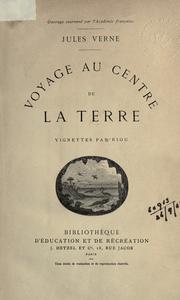
Jules Verne
1867 · 254 pages · 6 reviews
Others: Overwhelmingly positiveThree explorers descend to the center of the earth, where they encounter tumultuous storms, wild prehistoric animals, and fierce cavemen.
What made the match, strongest first
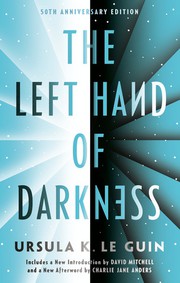
Ursula K. Le Guin
1969 · 304 pages · 13 reviews
Others: Mostly positiveComment by Kim Stanley Robinson, on The Guardian's website: The Left Hand of Darkness by Ursula K Le Guin (1969) One of my favorite novels is The Left Hand of Darkness, by Ursula K Le Guin. For more than 40 years I've been recommending this book to people who want to try science fiction for the first time, and it still serves very well for that. One of the things I like about it is how clearly it demonstrates that science fiction can have not only the usual virtues and pleasures of the novel, but also the startling and transformative power of the thought experiment. In this case, the thought experiment is quickly revealed: "The king was pregnant," the book tells us early on, and after that we learn more and more about this planet named Winter, stuck in an ice age, where the humans are most of the time neither male nor female, but with the potential to become either. The man from Earth investigating this situation has a lot to learn, and so do we; and we learn it in the course of a thrilling adventure story, including a great "crossing of the ice". Le Guin's language is clear and clean, and has within it both the anthropological mindset of her father Alfred Kroeber, and the poetry of stories as magical things that her mother Theodora Kroeber found in native American tales. This worldly wisdom applied to the romance of other planets, and to human nature at its deepest, is Le Guin's particular gift to us, and something science fiction will always be proud of. Try it and see – you will never think about people in quite the same way again.
What made the match, strongest first
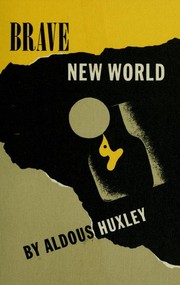
Aldous Huxley
1932 · 232 pages · 11 reviews
Others: Leaning positiveOriginally published in 1932, this outstanding work of literature is more crucial and relevant today than ever before. Cloning, feel-good drugs, antiaging programs, and total social control through politics, programming, and media -- has Aldous Huxley accurately predicted our future? With a storyteller's genius, he weaves these ethical controversies in a compelling narrative that dawns in the year 632 AF (After Ford, the deity). When Lenina and Bernard visit a savage reservation, we experience how Utopia can destroy humanity. A powerful work of speculative fiction that has enthralled and terrified readers for generations, Brave New World is both a warning to be heeded and thought-provoking yet satisfying entertainment. - Container.
What made the match, strongest first
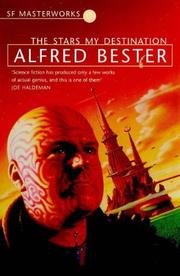
Alfred Bester
1956 · 236 pages · 8 reviews
Others: Overwhelmingly positiveIn this pulse-quickening novel, Alfred Bester imagines a future in which people "jaunte" a thousand miles with a single thought, where the rich barricade themselves in labyrinths and protect themselves with radioactive hitmen—and where an inarticulate outcast is the most valuable and dangerous man alive. The Stars My Destination is a classic of technological prophecy and timeless narrative enchantment by an acknowledged master of science fiction.
What made the match, strongest first
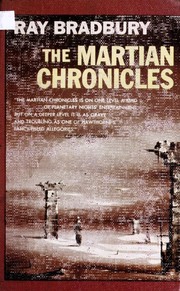
Ray Bradbury
1950 · 222 pages · 5 reviews
Others: Overwhelmingly positiveThis is a collection of science fiction short stories, cleverly cobbled together to form a coherent and very readable novel about a future colonization of Mars. As the stories progress chronologically the author tells how the first humans colonized Mars, initially sharing the planet with a handful of Martians. When Earth is devastated by nuclear war the colony is left to fend for itself and the colonists determine to build a new Earth on Mars.
What made the match, strongest first
Loved itof course, the goat of alien invasion stories and still, I think, incredibly effective. I think it's really stood the test of time, which do me well.
 Mixed
I'm going to put it in good because I think at the time it came out, this would have blown people's minds. And I think it's so cool how influential it was, how ahead of ahead of its time it was, but reading it now, it just kind of feels like, okay, it's a little simple.
Loved itI really like Wells everything that I've read from him ... my read of War of the Worlds is this is a portrayal of England receiving the treatment that Colonial subjects did
Loved itWar the worlds is semal
Loved iti really love this one the beginning was absolutely terrifying and haunting and even more so i thought the ending really left an impact on me
Loved itthat's probably even more disturbing I think than the Invisible Man and again when I read it I did not expect at all such a no from such an historical period to be so vividly horrifying it's truly a terrifying novel to this day