


 Loved it
I really loved this book early on. I don't know if I'd have the same reaction to it now. I remember this very fondly.
Review 1 of 3
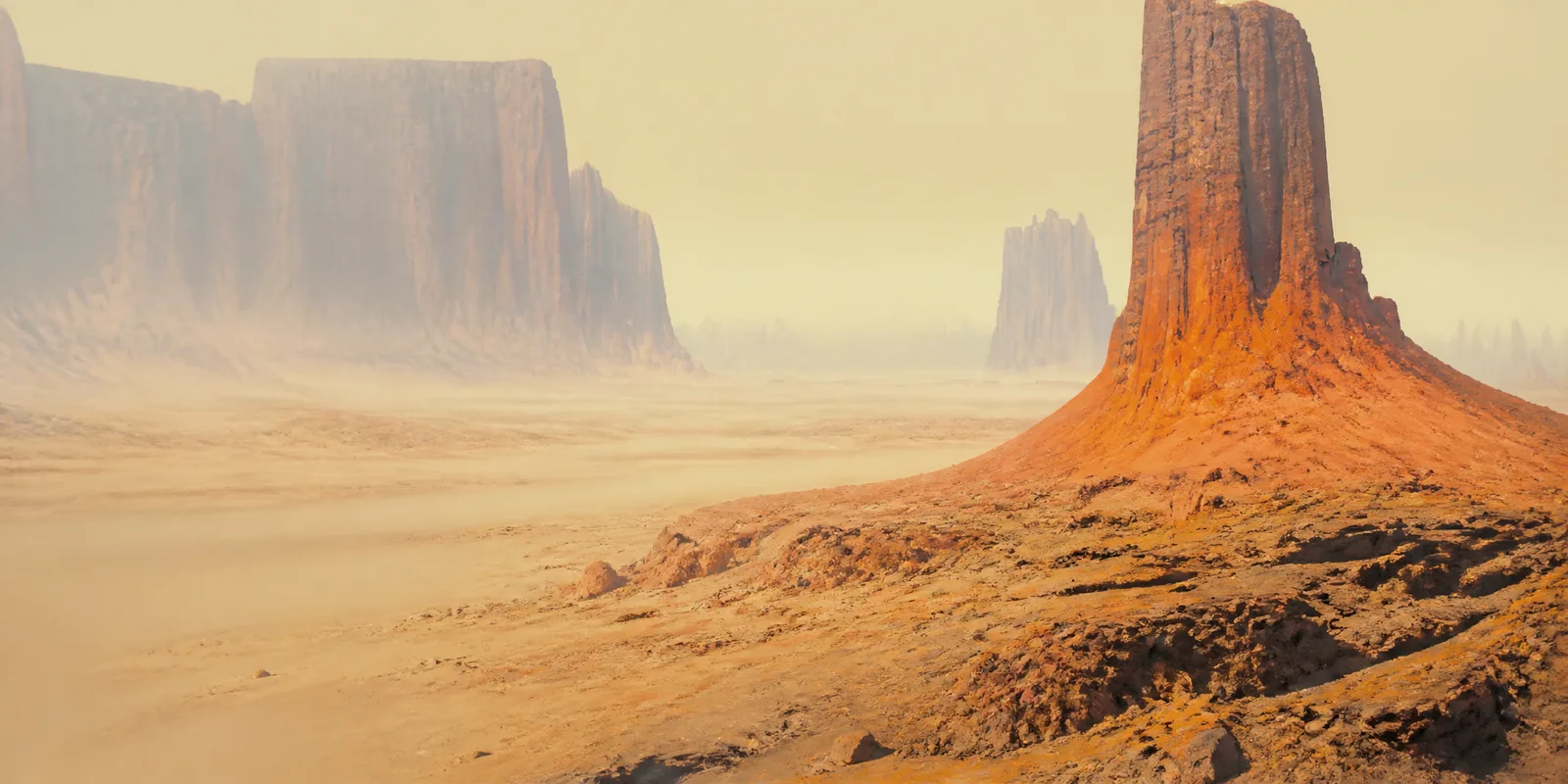
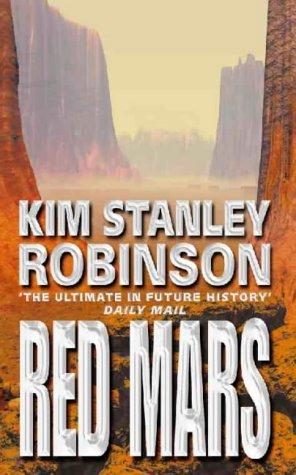
Others: Mostly positive Red Mars is the first novel of the Mars trilogy, published in 1992. It follows the beginnings of the colonization of Mars, from the arrival of the First Hundred to the First Martian Revolution.
Genres: science fiction
Lists: …
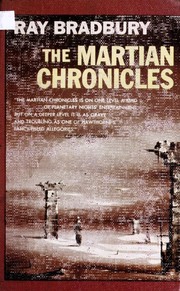
Ray Bradbury
1950 · 222 pages · 5 reviews
 Others: Overwhelmingly positive
This is a collection of science fiction short stories, cleverly cobbled together to form a coherent and very readable novel about a future colonization of Mars. As the stories progress chronologically the author tells how the first humans colonized Mars, initially sharing the planet with a handful of Martians. When Earth is devastated by nuclear war the colony is left to fend for itself and the colonists determine to build a new Earth on Mars.
What made the match, strongest first
Philip K. Dick
1964 · 240 pages · 5 reviews
Others: Mostly positiveMartian Time-Slip is a 1964 science fiction novel by American writer Philip K. Dick. The novel uses the common science fiction concept of a human colony on Mars. However, it also includes the themes of mental illness, the physics of time and the dangers of centralized authority. The novel was first published under the title All We Marsmen, serialized in the August, October and December 1963 issues of Worlds of Tomorrow magazine. The subsequent 1964 publication as Martian Time-Slip is virtually identical, with different chapter breaks.
What made the match, strongest first
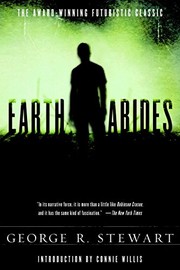
George Rippey Stewart
1949 · 368 pages · 2 reviews
 Others: Mixed
The story of rebuilding civilization after a plague nearly wipes out the human race.
What made the match, strongest first
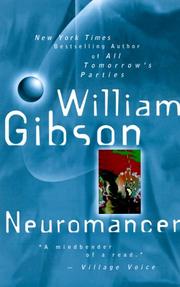
William Gibson
1984 · 288 pages · 13 reviews
Others: Mostly positiveThe first of William Gibson's Sprawl trilogy, Neuromancer is the classic cyberpunk novel. The winner of the Hugo, Nebula, and Philip K. Dick Awards, Neuromancer was the first fully-realized glimpse of humankind’s digital future — a shocking vision that has challenged our assumptions about our technology and ourselves, reinvented the way we speak and think, and forever altered the landscape of our imaginations. Henry Dorsett Case was the sharpest data-thief in the business, until vengeful former employees crippled his nervous system. But now a new and very mysterious employer recruits him for a last-chance run. The target: an unthinkably powerful artificial intelligence orbiting Earth in service of the sinister Tessier-Ashpool business clan. With a dead man riding shotgun and Molly, mirror-eyed street-samurai, to watch his back, Case embarks on an adventure that ups the ante on an entire genre of fiction. Hotwired to the leading edges of art and technology, Neuromancer is a cyberpunk, science fiction masterpiece — a classic that ranks with 1984 and Brave New World as one of the twentieth century’s most potent visions of the future.
What made the match, strongest first
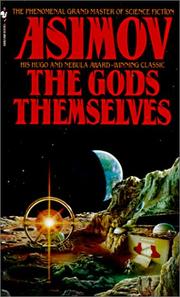
Isaac Asimov
1972 · 288 pages · 5 reviews
Others: Mostly positiveThe year is 2100 A.D.… And Man no longer stands alone in the universe. Now there are other worlds, other living beings. Alien beings who mate in threes and live on pure energy. New breeds of humans who have created their own environment and freed themselves from every social and sexual taboo. Yes, it is the future of new worlds, ever-changing worlds. And yet among them there is still Earth. Earth, where Man still strives to be the best. To advance himself beyond all other beings and their worlds. And this final, glorious step in mankind’s technical progress has been achieved: the discovery of an unlimited, non-polluting energy source. But what seems to be progress may, in reality, end in complete tragedy. Earth’s unlimited energy source is about to trigger unlimited destruction—and the end of a universe.
What made the match, strongest first
Clifford D. Simak
1952 · 254 pages · 5 reviews
Others: PositiveComment by John Clute: We know better now, of course. But they still entrance us, the old page-turners from the glory days of American SF, half a century or so ago, when the world was full of futures we were never going to have. In the mid-1940s, when he began to publish the episodes that would be assembled as City in 1952, Clifford Simak, a Minneapolis-based journalist and author, could still carry us away with the dream that cars and pollution and even the great cities of the world – "Huddling Place", the title of one of these tales, is his own derisory term for them – would soon be brushed off the map by Progress, leaving nothing behind but tasteful exurbs filled with middle-class nuclear families living the good life, with fishing streams and greenswards sheltering each home from the stormy blast. Fortunately, Simak soon gets past this demented vision of a near-future world saved by technological fixes, a dementia common then to SF writers and gurus and politicians alike, and launches into an astonishingly eventful narrative of the next 10,000 years as seen through the eyes of one family and the immortal robot Jenkins, and all told with a weird pastoral serenity that for a kid like me seemed near to godlike. In its course City touches on almost everything dear to 1940s SF, and to me remembering. Robots. Genetic Engineering. Space. Jupiter. Domed cities. Keeps. Hiveminds. Matter transmission. Telepathy. Parallel worlds. Paranormal empathy. Mutants. Supermen. It's all there, and, thanks to Simak's skilled hand at the wheel, it's all in place: suave, sibylline, swift. The whole is framed as a series of legends told by the uplifted Dogs who have replaced the human race, now gone for ever. They have been bred not to kill. At the end, only Jenkins remains to keep them from learning how to repeat history and die. It all seemed immensely sad and wise then, but fun. It still does.
What made the match, strongest first
Loved itI really loved this book early on. I don't know if I'd have the same reaction to it now. I remember this very fondly.
Loved itI absolutely loved it when I first read it and it's about time that I actually gave it a reread. I highly recommend it to you, particularly if you can you can stomach quite a high degree of nerdy detail.
MixedI liked the colonization on Mars, but it just sort of delved a little bit too much into the character drama, the relationships, and things that I was less interested in, and I found this book a little bit dry and wasn't really compelled to complete the whole series.
Loved itThis is some of the best hard science fiction I have ever read and some of the best science fiction that has won these awards. If you want a story about terraforming and colonizing Mars, this is the one to read.