

 Loved it
I've read it many times and every time I read it, a little bit of it isn't quite true and more. It still explains where we are and what things are and a lot of it is awesome.
 Others: Mixed
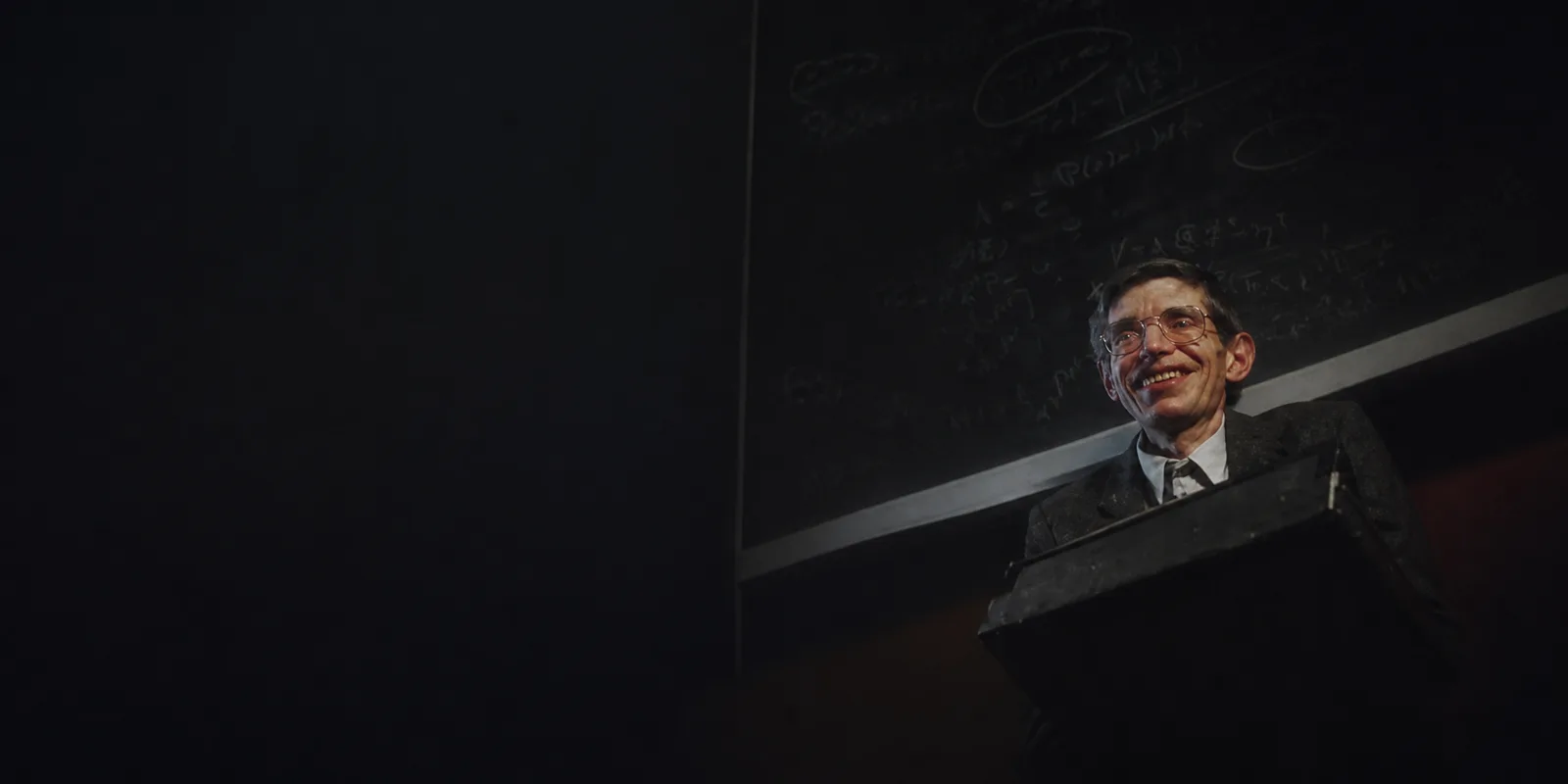
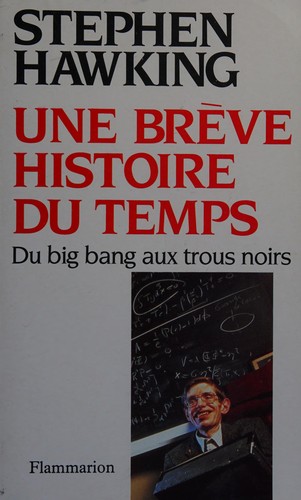
Stephen Hawking's ‘A Brief History of Time* has become an international publishing phenomenon. Translated into thirty languages, it has sold over ten million copies worldwide and lives on as a science book that continues to captivate and inspire new readers each year. When it was first published in 1988 the ideas discussed in it were at the cutting edge of what was then known about the universe. In the intervening twenty years there have been extraordinary advances in the technology of observing both the micro- and macro-cosmic world. Indeed, during that time cosmology and the theoretical sciences have entered a new golden age . Professor Hawking is one of the major scientists and thinkers to have contributed to this renaissance.
Genres: classics, nonfiction
Lists: …
Ed Yong
2016 · 361 pages · 4 reviews
 Others: Overwhelmingly positive
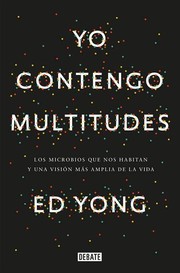
Joining the ranks of popular science classics like The Botany of Desire and The Selfish Gene, a groundbreaking, wondrously informative, and vastly entertaining examination of the most significant revolution in biology since Darwin—a “microbe’s-eye view” of the world that reveals a marvelous, radically reconceived picture of life on earth. Every animal, whether human, squid, or wasp, is home to millions of bacteria and other microbes. Ed Yong, whose humor is as evident as his erudition, prompts us to look at ourselves and our animal companions in a new light—less as individuals and more as the interconnected, interdependent multitudes we assuredly are. The microbes in our bodies are part of our immune systems and protect us from disease. In the deep oceans, mysterious creatures without mouths or guts depend on microbes for all their energy. Bacteria provide squid with invisibility cloaks, help beetles to bring down forests, and allow worms to cause diseases that afflict millions of people. Many people think of microbes as germs to be eradicated, but those that live with us—the microbiome—build our bodies, protect our health, shape our identities, and grant us incredible abilities. In this astonishing book, Ed Yong takes us on a grand tour through our microbial partners, and introduces us to the scientists on the front lines of discovery. It will change both our view of nature and our sense of where we belong in it.
What made the match, strongest first
Howard Zinn
1980 · 729 pages · 1 review
Others: MixedKnown for its lively, clear prose as well as its scholarly research, A People's History of the United States is the only volume to tell America's story from the point of view of -- and in the words of -- America's women, factory workers, African Americans, Native Americans, working poor, and immigrant laborers.
What made the match, strongest first
Susan Freinkel
2011 · 324 pages · 1 review
 Others: Negative
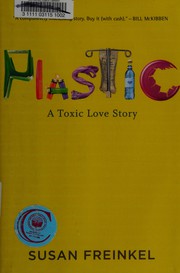
In this probing look at how plastic built the modern world-- and the price the world has paid for plastic-- journalist Freinkel points out that we're nearing a crisis point and gives readers the tools needed through lively anecdotes and analysis. Trekking through history, science, and the global economy, Freinkel assesses the impact of plastic on our lives through eight familiar plastic objects: comb, chair, Frisbee, IV bag, disposable lighter, grocery bag, soda bottle, and credit card.
What made the match, strongest first
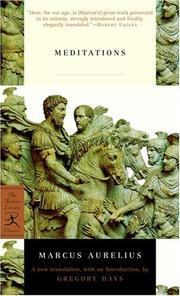
Marcus Aurelius
1626 · 206 pages · 0 reviews
Meditations is a collection of personal reflections and notes by the Roman Emperor Marcus Aurelius (reigned 161 to 180 AD), offering a profound look into the philosophy of Stoicism. It was never intended for publication, making it a raw and intimate self-help manual for the emperor during his campaigns and rule. The central theme revolves around living a good, rational, and virtuous life in harmony with nature and the cosmos. Aurelius continually reminds himself that everything in the universe is constantly changing and fleeting, urging the reader to accept the impermanence of life and the inevitability of death. He stresses the importance of focusing on what one can control—namely, their own thoughts and actions—and accepting everything else with tranquility, including the behavior of others and external events. This inner fortress of the mind is the only true source of peace. The book emphasizes duty and service to the greater community. As a rational being, one's purpose is to act justly and benevolently towards fellow humans. Aurelius encourages practicing humility, rising above petty insults, and viewing difficulties as opportunities for growth and the exercise of virtue. He advocates for an objective, detached perspective on all things, stripping away subjective judgment to see the world as it truly is. Ultimately, Meditations is a powerful, timeless guide on how to face adversity, manage emotions, maintain personal integrity, and find contentment through disciplined, rational self-examination and adherence to virtue.
What made the match, strongest first
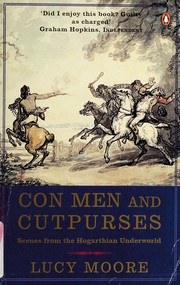
Lucy Moore
2001 · 299 pages · 1 review
Others: PositiveAn enthralling anthology of 18th-century writings that gives a fascinating insight into the dreadful misdeeds of - and the horrible punishments meeted out to - an array of rogues and criminals, from murderers and swindlers to prostitutes and pirates. Captured in memoirs, letters, ballads and court transcripts are some of the most colourful villains ever to take their last gasp at the hangman's noose, including daring thief Jack Sheppherd, highwayman Dick Turpin and ingenious pickpocket Jenny Diver. Taking us from the backstreets and brothels to Newgate prison and the gallows at Tyburn, this anthology reveals London's murky underworld in all its squalor and exuberance.For more than seventy years, Penguin has been the leading publisher of classic literature in the English-speaking world. With more than 1,700 titles, Penguin Classics represents a global bookshelf of the best works throughout history and across genres and disciplines. Readers trust the series to provide authoritative texts enhanced by introductions and notes by distinguished scholars and contemporary authors, as well as up-to-date translations by award-winning translators.
What made the match, strongest first
Herodotus
1998 · 417 pages · 1 review
 Others: Neutral
David Grene, one of the best known translators of the Greek classics, splendidly captures the peculiar quality of Herodotus, the father of history. Here is the historian, investigating and judging what he has seen, heard, and read, and seeking out the true causes and consequences of the great deeds of the past. In his History , the war between the Greeks and Persians, the origins of their enmity, and all the more general features of the civilizations of the world of his day are seen as a unity and expressed as the vision of one man who as a child lived through the last of the great acts in this universal drama. In Grene's remarkable translation and commentary, we see the historian as a storyteller, combining through his own narration the skeletal "historical" facts and the imaginative reality toward which his story reaches. Herodotus emerges in all his charm and complexity as a writer and the first historian in the Western tradition, perhaps unique in the way he has seen the interrelation of fact and fantasy.
What made the match, strongest first
Loved itI've read it many times and every time I read it, a little bit of it isn't quite true and more. It still explains where we are and what things are and a lot of it is awesome.
Not a fanI have dipped into it from time to time. I will say I have not read it fully. I do not reach for it. It do be dry and I do just prefer a visual for this rather than sitting and reading it.