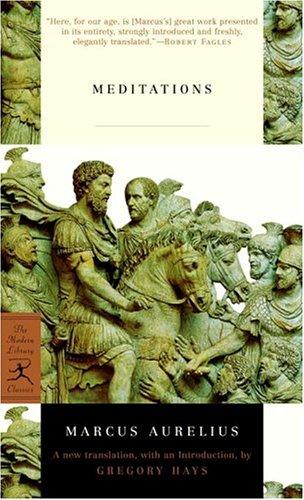
Meditations (1626)
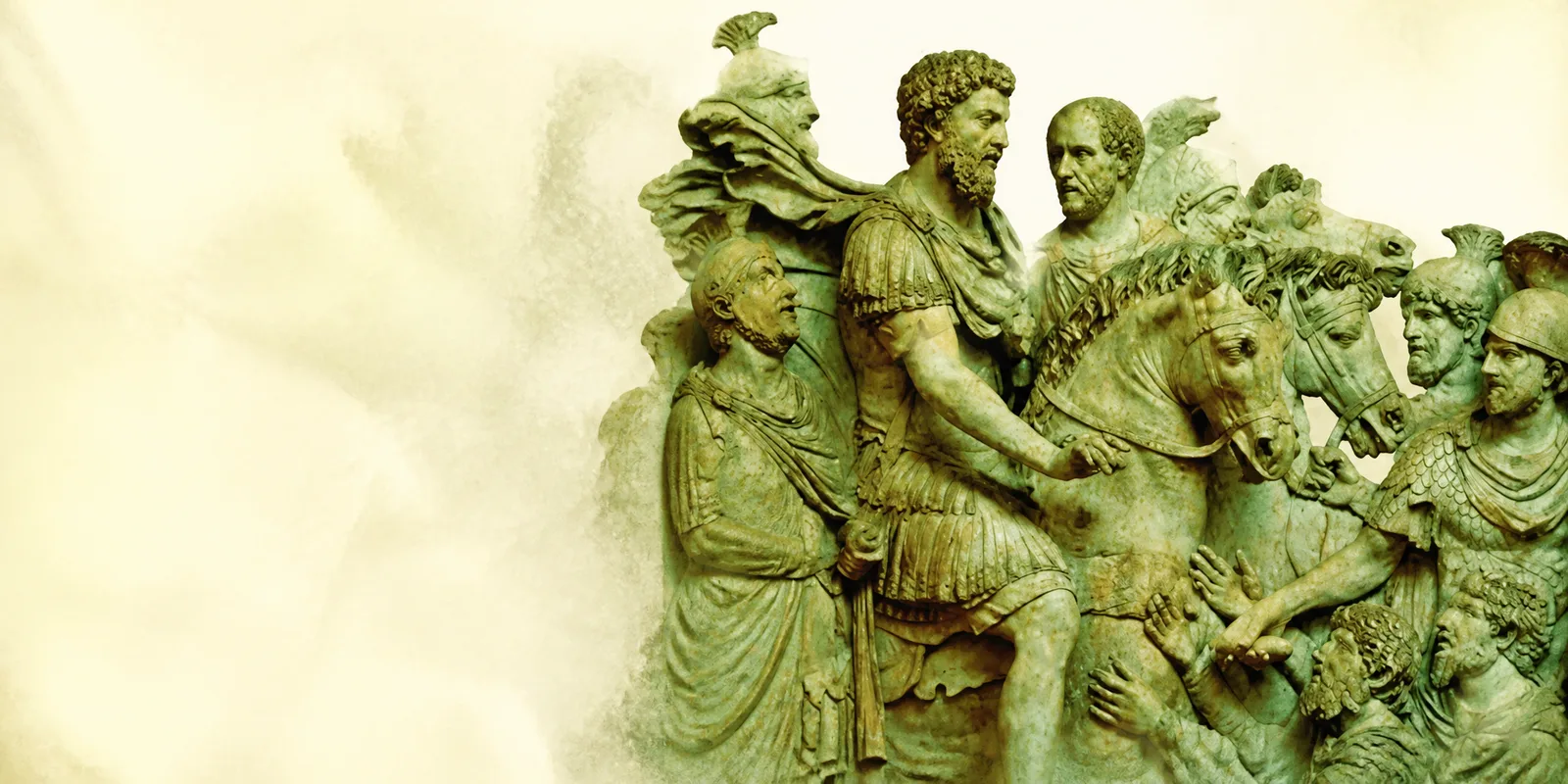
Meditations is a collection of personal reflections and notes by the Roman Emperor Marcus Aurelius (reigned 161 to 180 AD), offering a profound look into the philosophy of Stoicism. It was never intended for publication, making it a raw and intimate self-help manual for the emperor during his campaigns and rule. The central theme revolves around living a good, rational, and virtuous life in harmony with nature and the cosmos. Aurelius continually reminds himself that everything in the universe is constantly changing and fleeting, urging the reader to accept the impermanence of life and the inevitability of death. He stresses the importance of focusing on what one can control—namely, their own thoughts and actions—and accepting everything else with tranquility, including the behavior of others and external events. This inner fortress of the mind is the only true source of peace. The book emphasizes duty and service to the greater community. As a rational being, one's purpose is to act justly and benevolently towards fellow humans. Aurelius encourages practicing humility, rising above petty insults, and viewing difficulties as opportunities for growth and the exercise of virtue. He advocates for an objective, detached perspective on all things, stripping away subjective judgment to see the world as it truly is. Ultimately, Meditations is a powerful, timeless guide on how to face adversity, manage emotions, maintain personal integrity, and find contentment through disciplined, rational self-examination and adherence to virtue.
- ISBN:
- 9781804530467
- Length:
- 206 pages
Genres: classics, nonfiction
Lists: …
Similar books
Histories
Herodotus
1998 · 417 pages · 1 review
 Others: Neutral
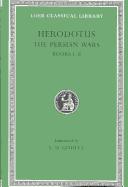
David Grene, one of the best known translators of the Greek classics, splendidly captures the peculiar quality of Herodotus, the father of history. Here is the historian, investigating and judging what he has seen, heard, and read, and seeking out the true causes and consequences of the great deeds of the past. In his History , the war between the Greeks and Persians, the origins of their enmity, and all the more general features of the civilizations of the world of his day are seen as a unity and expressed as the vision of one man who as a child lived through the last of the great acts in this universal drama. In Grene's remarkable translation and commentary, we see the historian as a storyteller, combining through his own narration the skeletal "historical" facts and the imaginative reality toward which his story reaches. Herodotus emerges in all his charm and complexity as a writer and the first historian in the Western tradition, perhaps unique in the way he has seen the interrelation of fact and fantasy.
Why?
What made the match, strongest first
On 5+ of the same lists51%Also classics and nonfictionPersonalize your recommendations49%Civilization and Its Discontents
Sigmund Freud
2010 · 192 pages · 3 reviews
 Others: Positive
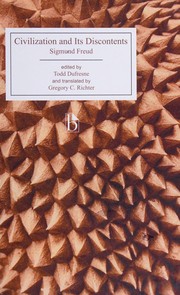
l malestar en la cultura”, trabajo en el que Sigmund Freud (1856-1939) sentó que nuestra especie ha pagado por el progreso el elevado precio de sacrificar la vida instintiva y reprimir la espontaneidad, es uno de los ensayos con más amplias repercusiones en el pensamiento del siglo XX por su rara clarividencia. Completan este volumen imprescindible otros textos freudianos fundamentales, como «Sobre la conquista del fuego», «Consideraciones de actualidad sobre la guerra y la muerte» y los ensayos destinados a ser publicados bajo el rótulo genérico de «Metapsicología».
Why?
What made the match, strongest first
On 3 of the same lists50%Also classics and nonfictionPersonalize your recommendations50%The myth of Sisyphus
Albert Camus
1941 · 169 pages · 1 review
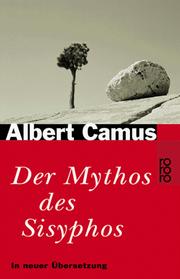
Others: Positive«Il n'y a qu'un problème philosophique vraiment sérieux : c'est le suicide.» Avec cette formule foudroyante, qui semble rayer d'un trait toute la philosophie, un jeune homme de moins de trente ans commence son analyse de la sensibilité absurde. Il décrit le «mal de l'esprit» dont souffre l'époque actuelle : «L'absurde naît de la confrontation de l'appel humain avec le silence déraisonnable du monde.»
Why?
What made the match, strongest first
Also classics and nonfiction72%On the same reading listPersonalize your recommendations28%The 48 Laws of Power
Robert Greene
1998 · 452 pages · 2 reviews
 Others: Negative
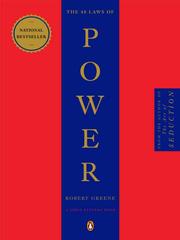
Amoral, cunning, ruthless, and instructive, this piercing work distills three thousand years of the history of power in to forty-eight well explicated laws. As attention--grabbing in its design as it is in its content, this bold volume outlines the laws of power in their unvarnished essence, synthesizing the philosophies of Machiavelli, Sun-tzu, Carl von Clausewitz, and other great thinkers. Some laws teach the need for prudence ("Law 1: Never Outshine the Master"), the virtue of stealth ("Law 3: Conceal Your Intentions"), and many demand the total absence of mercy ("Law 15: Crush Your Enemy Totally"), but like it or not, all have applications in real life. Illustrated through the tactics of Queen Elizabeth I, Henry Kissinger, P. T. Barnum, and other famous figures who have wielded--or been victimized by--power, these laws will fascinate any reader interested in gaining, observing, or defending against ultimate control.
Why?
What made the match, strongest first
On 4 of the same lists55%Also nonfiction40%Similar descriptionsPersonalize your recommendations5%A Brief History of Time
Stephen Hawking
1988 · 208 pages · 2 reviews
 Others: Mixed
Stephen Hawking's ‘A Brief History of Time* has become an international publishing phenomenon. Translated into thirty languages, it has sold over ten million copies worldwide and lives on as a science book that continues to captivate and inspire new readers each year. When it was first published in 1988 the ideas discussed in it were at the cutting edge of what was then known about the universe. In the intervening twenty years there have been extraordinary advances in the technology of observing both the micro- and macro-cosmic world. Indeed, during that time cosmology and the theoretical sciences have entered a new golden age . Professor Hawking is one of the major scientists and thinkers to have contributed to this renaissance.
Why?
What made the match, strongest first
Also classics and nonfiction83%On 3 of the same listsPersonalize your recommendations17%The Tao of Pooh
Benjamin Hoff
1982 · 158 pages · 5 reviews
Others: PositiveThe how of Pooh? The Tao of who? The Tao of Pooh!?! Yes, Winnie-the-Pooh has a certain Way about him, a way of doing things that has made him the world's most beloved bear. In these pages Benjamin Hoff shows that Pooh's Way is amazingly consistent with the principles of living envisioned long ago by the Chinese founders of Taoism. The author's explanation of Taoism is through Pooh, and Pooh through Taoism, shows that this is not simply an ancient and remote philosophy but something you can use, here and now. And what is Taoism? It's really very simple. It calls for living without preconceived ideas about how life should be lived--but it's not a preconception of how life--It's... Well, you'd do better to read this book, and listen to Pooh, if you really want to find out. --front flap
Why?
What made the match, strongest first
Also classics and nonfiction85%On the same reading list12%Similar descriptionsPersonalize your recommendations3%