

 Loved it
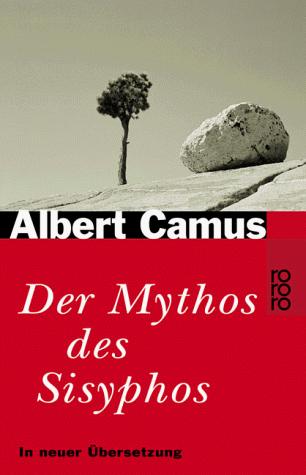
I enjoyed reading the myth of Seisophus and I enjoyed being someone who had read the myth of Sisphus.
Others: Positive «Il n'y a qu'un problème philosophique vraiment sérieux : c'est le suicide.» Avec cette formule foudroyante, qui semble rayer d'un trait toute la philosophie, un jeune homme de moins de trente ans commence son analyse de la sensibilité absurde. Il décrit le «mal de l'esprit» dont souffre l'époque actuelle : «L'absurde naît de la confrontation de l'appel humain avec le silence déraisonnable du monde.»
Genres: classics, nonfiction
Lists: …
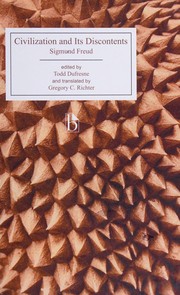
Sigmund Freud
2010 · 192 pages · 3 reviews
Others: Positivel malestar en la cultura”, trabajo en el que Sigmund Freud (1856-1939) sentó que nuestra especie ha pagado por el progreso el elevado precio de sacrificar la vida instintiva y reprimir la espontaneidad, es uno de los ensayos con más amplias repercusiones en el pensamiento del siglo XX por su rara clarividencia. Completan este volumen imprescindible otros textos freudianos fundamentales, como «Sobre la conquista del fuego», «Consideraciones de actualidad sobre la guerra y la muerte» y los ensayos destinados a ser publicados bajo el rótulo genérico de «Metapsicología».
What made the match, strongest first
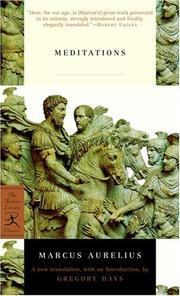
Marcus Aurelius
1626 · 206 pages · 0 reviews
Meditations is a collection of personal reflections and notes by the Roman Emperor Marcus Aurelius (reigned 161 to 180 AD), offering a profound look into the philosophy of Stoicism. It was never intended for publication, making it a raw and intimate self-help manual for the emperor during his campaigns and rule. The central theme revolves around living a good, rational, and virtuous life in harmony with nature and the cosmos. Aurelius continually reminds himself that everything in the universe is constantly changing and fleeting, urging the reader to accept the impermanence of life and the inevitability of death. He stresses the importance of focusing on what one can control—namely, their own thoughts and actions—and accepting everything else with tranquility, including the behavior of others and external events. This inner fortress of the mind is the only true source of peace. The book emphasizes duty and service to the greater community. As a rational being, one's purpose is to act justly and benevolently towards fellow humans. Aurelius encourages practicing humility, rising above petty insults, and viewing difficulties as opportunities for growth and the exercise of virtue. He advocates for an objective, detached perspective on all things, stripping away subjective judgment to see the world as it truly is. Ultimately, Meditations is a powerful, timeless guide on how to face adversity, manage emotions, maintain personal integrity, and find contentment through disciplined, rational self-examination and adherence to virtue.
What made the match, strongest first
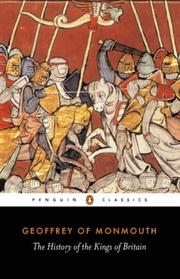
Geoffrey of Monmouth
1973 · 388 pages · 1 review
Others: PositiveCompleted in 1136, The History of the Kings of Britain traces the story of the realm from its supposed foundation by Brutus to the coming of the Saxons some two thousand years later. Vividly portraying legendary and semi-legendary figures such as Lear, Cymbeline, Merlin the magician and the most famous of all British heroes, King Arthur, it is as much myth as it is history and its veracity was questioned by other medieval writers. But Geoffrey of Monmouth's powerful evocation of illustrious men and deeds captured the imagination of subsequent generations, and his influence can be traced through the works of Malory, Shakespeare, Dryden and Tennyson.
What made the match, strongest first
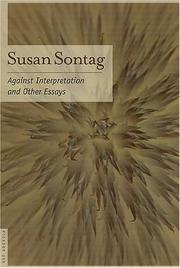
Susan Sontag
1966 · 304 pages · 2 reviews
Others: Positive"'Against Interpretation' was Susan Sontag's first collection of essays and is a modern classic. Originally published in 1966, it has never gone out of print and has influenced generations of readers all over the world. It includes some of Sontag's best-known works, among them "On Style", "Notes on 'Camp", and the titular essay "Against Interpretation", where Sontag argues that modern cultural conditions have given way to a new critical approach to aesthetics."
What made the match, strongest first
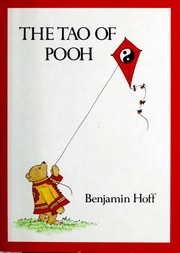
Benjamin Hoff
1982 · 158 pages · 5 reviews
Others: PositiveThe how of Pooh? The Tao of who? The Tao of Pooh!?! Yes, Winnie-the-Pooh has a certain Way about him, a way of doing things that has made him the world's most beloved bear. In these pages Benjamin Hoff shows that Pooh's Way is amazingly consistent with the principles of living envisioned long ago by the Chinese founders of Taoism. The author's explanation of Taoism is through Pooh, and Pooh through Taoism, shows that this is not simply an ancient and remote philosophy but something you can use, here and now. And what is Taoism? It's really very simple. It calls for living without preconceived ideas about how life should be lived--but it's not a preconception of how life--It's... Well, you'd do better to read this book, and listen to Pooh, if you really want to find out. --front flap
What made the match, strongest first
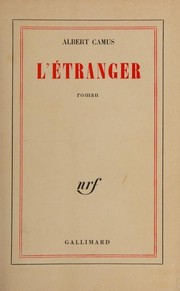
Albert Camus
1942 · 127 pages · 5 reviews
Others: Leaning positiveL'Étranger est le premier roman publié d’Albert Camus, paru en 1942. Il prend place dans la tétralogie que Camus nommera « cycle de l’absurde » qui décrit les fondements de la philosophie camusienne : l’absurde. Le roman a été traduit en soixante-huit langues.
What made the match, strongest first
Loved itI enjoyed reading the myth of Seisophus and I enjoyed being someone who had read the myth of Sisphus.