
 Loved it
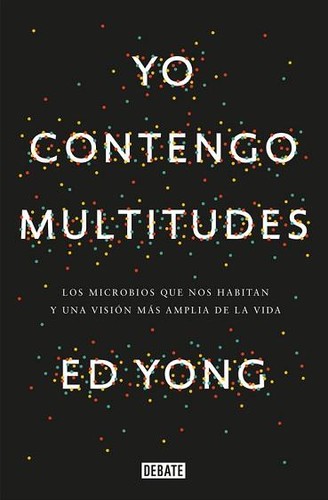
Then the one non-fiction of the month that I read was I Contain Multitudes by Ed Young. And I gave this four stars.
Review 1 of 2
 Others: Overwhelmingly positive
Joining the ranks of popular science classics like The Botany of Desire and The Selfish Gene, a groundbreaking, wondrously informative, and vastly entertaining examination of the most significant revolution in biology since Darwin—a “microbe’s-eye view” of the world that reveals a marvelous, radically reconceived picture of life on earth. Every animal, whether human, squid, or wasp, is home to millions of bacteria and other microbes. Ed Yong, whose humor is as evident as his erudition, prompts us to look at ourselves and our animal companions in a new light—less as individuals and more as the interconnected, interdependent multitudes we assuredly are. The microbes in our bodies are part of our immune systems and protect us from disease. In the deep oceans, mysterious creatures without mouths or guts depend on microbes for all their energy. Bacteria provide squid with invisibility cloaks, help beetles to bring down forests, and allow worms to cause diseases that afflict millions of people. Many people think of microbes as germs to be eradicated, but those that live with us—the microbiome—build our bodies, protect our health, shape our identities, and grant us incredible abilities. In this astonishing book, Ed Yong takes us on a grand tour through our microbial partners, and introduces us to the scientists on the front lines of discovery. It will change both our view of nature and our sense of where we belong in it.
Genres: nonfiction
Lists: …
Susan Freinkel
2011 · 324 pages · 1 review
 Others: Negative
In this probing look at how plastic built the modern world-- and the price the world has paid for plastic-- journalist Freinkel points out that we're nearing a crisis point and gives readers the tools needed through lively anecdotes and analysis. Trekking through history, science, and the global economy, Freinkel assesses the impact of plastic on our lives through eight familiar plastic objects: comb, chair, Frisbee, IV bag, disposable lighter, grocery bag, soda bottle, and credit card.
What made the match, strongest first
Stephen Brusatte
2018 · 404 pages · 1 review
Others: PositiveA sweeping narrative scientific history that tells the epic story of the dinosaurs, examining their origins, their habitats, their extinction, and their living legacy. Print run 75,000.
What made the match, strongest first
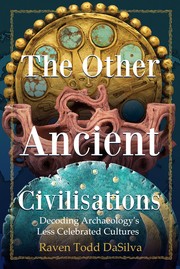
Raven Todd DaSilva
2024 · 349 pages · 1 review
Others: PositiveA look at 20 often forgotten civilisations which influenced the ancient and current world alike.
What made the match, strongest first
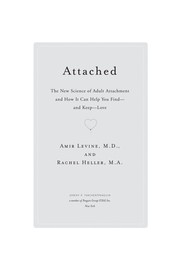
Amir Levine
2010 · 294 pages · 0 reviews
Introduces the theory of adult attachment as an advanced relationship science that can enable individuals to find and sustain love, offering insight into the roles of genetics and early family life in how people approach relationships.
What made the match, strongest first
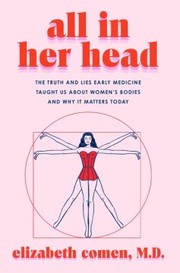
Elizabeth Comen
2024 · 5 reviews
Others: PositiveThe fascinating history of women’s health as it’s never been told before. For as long as medicine has been a practice, women's bodies have been treated like objects to be practiced on: examined and ignored, idealized and sexualized, shamed, subjugated, mutilated, and dismissed. The history of women’s healthcare is a story in which women themselves have too often been voiceless—a narrative instead written from the perspective of men who styled themselves as authorities on the female of the species, yet uninformed by women’s own voices, thoughts, fears, pain and experiences. The result is a cultural and societal legacy that continues to shape the (mis)treatment and care of women. While the modern age has seen significant advancements in the medical field, the notion that female bodies are flawed inversions of the male ideal lingers on—as do the pervasive societal stigmas and lingering ignorance that shape women’s health and relationships with their own bodies. Memorial Sloan Kettering oncologist and medical historian Dr. Elizabeth Comen peels back the curtain on the collective medical history of women to reintroduce us to our whole bodies—how they work, the actual doctors and patients whose perspectives and experiences laid the foundation for today’s medical thought, and the many oversights that still remain unaddressed. With a physician’s knowledge and empathy, Dr. Comen follows the road map of the eleven organ systems to share unique and untold stories, drawing upon medical texts and journals, interviews with expert physicians, as well as her own experience treating thousands of women. Empowering women to better understand ourselves and advocate for care that prioritizes healthy and joyful lives—for us and generations to come—All in Her Head is written with humor, wisdom, and deep scientific and cultural insight. Eye-opening, sometimes enraging, yet always captivating, this shared memoir of women’s medical history is an essential contribution to a holistic understanding and much-needed reclaiming of women’s history and bodies.
What made the match, strongest first
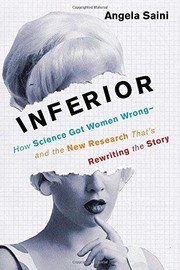
Angela Saini
2017 · 213 pages · 1 review
Others: Positive213 pages ; 24 cm
What made the match, strongest first
Loved itThen the one non-fiction of the month that I read was I Contain Multitudes by Ed Young. And I gave this four stars.
Loved itit's not a favorite but I still do geek out every time I think about that book or talk about that book