
 Loved it
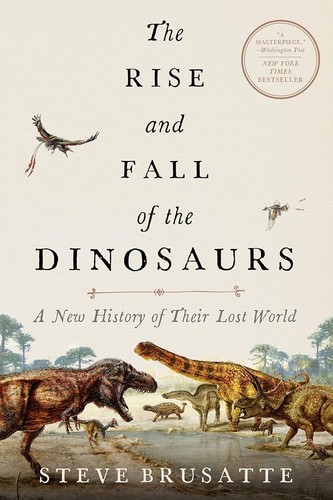
the rise in the fall was so interesting the only reason it didn't get a full five is because it didn't do anything outside of what any other non-fiction has ever done. I learned a lot about the dinosaurs and I think that's so valuable
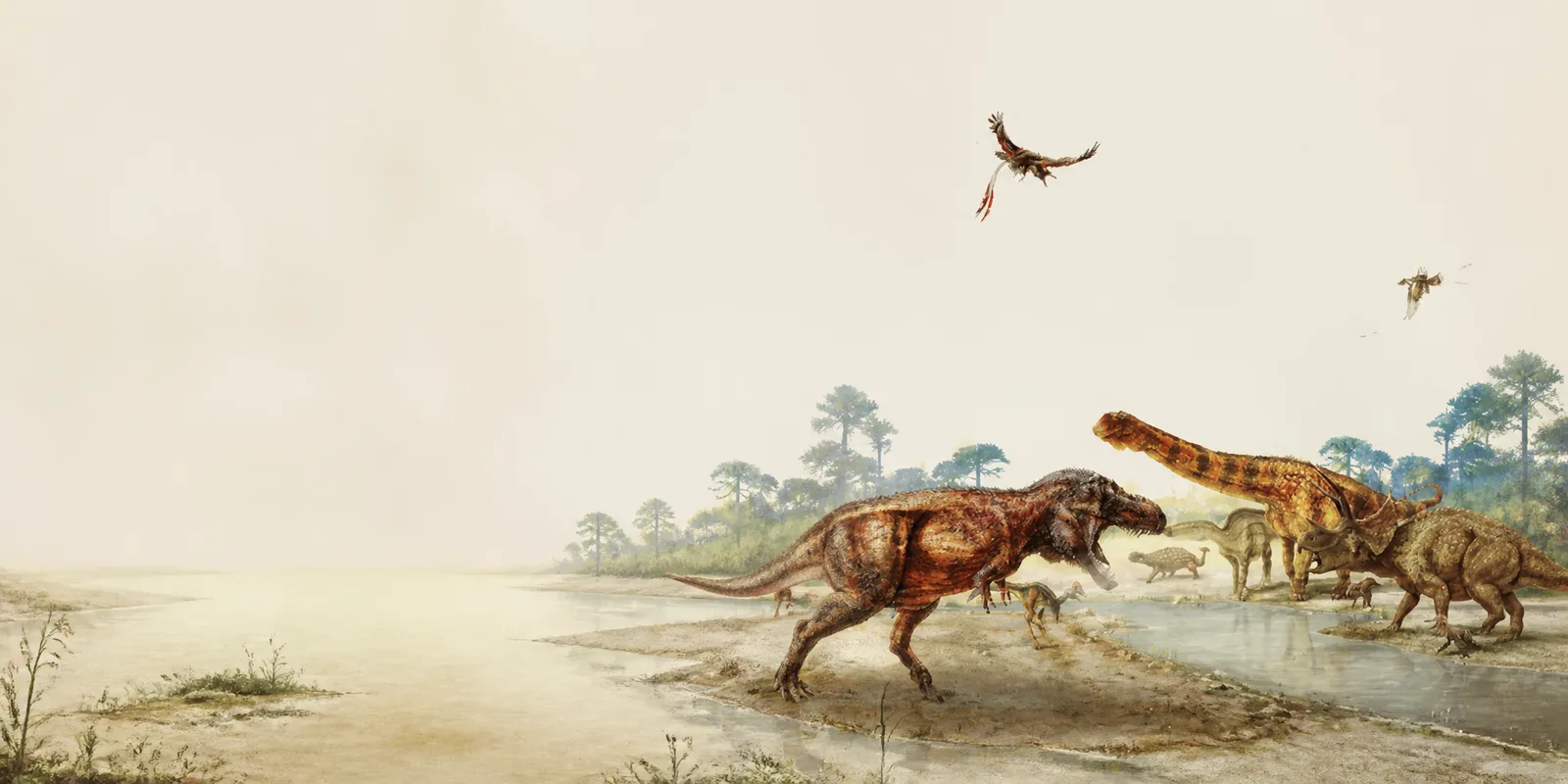
Others: Positive A sweeping narrative scientific history that tells the epic story of the dinosaurs, examining their origins, their habitats, their extinction, and their living legacy. Print run 75,000.
Genres: nonfiction
Lists: …
Susan Freinkel
2011 · 324 pages · 1 review
 Others: Negative
In this probing look at how plastic built the modern world-- and the price the world has paid for plastic-- journalist Freinkel points out that we're nearing a crisis point and gives readers the tools needed through lively anecdotes and analysis. Trekking through history, science, and the global economy, Freinkel assesses the impact of plastic on our lives through eight familiar plastic objects: comb, chair, Frisbee, IV bag, disposable lighter, grocery bag, soda bottle, and credit card.
What made the match, strongest first
Ed Yong
2016 · 361 pages · 4 reviews
 Others: Overwhelmingly positive
Joining the ranks of popular science classics like The Botany of Desire and The Selfish Gene, a groundbreaking, wondrously informative, and vastly entertaining examination of the most significant revolution in biology since Darwin—a “microbe’s-eye view” of the world that reveals a marvelous, radically reconceived picture of life on earth. Every animal, whether human, squid, or wasp, is home to millions of bacteria and other microbes. Ed Yong, whose humor is as evident as his erudition, prompts us to look at ourselves and our animal companions in a new light—less as individuals and more as the interconnected, interdependent multitudes we assuredly are. The microbes in our bodies are part of our immune systems and protect us from disease. In the deep oceans, mysterious creatures without mouths or guts depend on microbes for all their energy. Bacteria provide squid with invisibility cloaks, help beetles to bring down forests, and allow worms to cause diseases that afflict millions of people. Many people think of microbes as germs to be eradicated, but those that live with us—the microbiome—build our bodies, protect our health, shape our identities, and grant us incredible abilities. In this astonishing book, Ed Yong takes us on a grand tour through our microbial partners, and introduces us to the scientists on the front lines of discovery. It will change both our view of nature and our sense of where we belong in it.
What made the match, strongest first
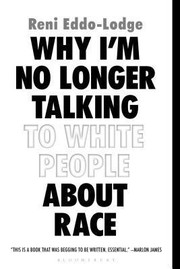
Reni Eddo-Lodge
2017 · 272 pages · 4 reviews
Others: Overwhelmingly positiveIn 2014, award-winning journalist Reni Eddo-Lodge wrote on her blog about her frustration with the way that discussions of race and racism in Britain were being led by those who weren't affected by it. Her words hit a nerve. The post went viral and comments flooded in from others desperate to speak up about their own experiences. Galvanised, she decided to dig into the source of these feelings. Exploring issues from eradicated black history to the inextricable link between class and race, Reni Eddo-Lodge has written a searing, illuminating, absolutely necessary examination of what it is to be a person of colour in Britain today --
What made the match, strongest first
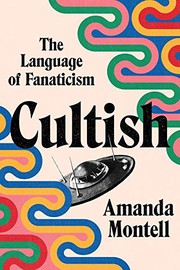
Amanda Montell
2021 · 320 pages · 3 reviews
Others: PositiveThe New York Times bestselling author of The Age of Magical Overthinking and Wordslut analyzes the social science of cult influence: how “cultish” groups, from Jonestown and Scientologists to SoulCycle and social media gurus, use language as the ultimate form of power. What makes “cults” so intriguing and frightening? What makes them powerful? The reason why so many of us binge Manson documentaries by the dozen and fall down rabbit holes researching suburban moms gone QAnon is because we’re looking for a satisfying explanation for what causes people to join—and more importantly, stay in—extreme groups. We secretly want to know: could it happen to me? Amanda Montell’s argument is that, on some level, it already has . . . Our culture tends to provide pretty flimsy answers to questions of cult influence, mostly having to do with vague talk of “brainwashing.” But the true answer has nothing to do with freaky mind-control wizardry or Kool-Aid. In Cultish, Montell argues that the key to manufacturing intense ideology, community, and us/them attitudes all comes down to language. In both positive ways and shadowy ones, cultish language is something we hear—and are influenced by—every single day. Through juicy storytelling and cutting original research, Montell exposes the verbal elements that make a wide spectrum of communities “cultish,” revealing how they affect followers of groups as notorious as Heaven’s Gate, but also how they pervade our modern start-ups, Peloton leaderboards, and Instagram feeds. Incisive and darkly funny, this enrapturing take on the curious social science of power and belief will make you hear the fanatical language of “cultish” everywhere.
What made the match, strongest first
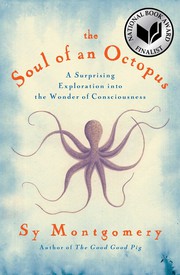
Sy Montgomery
2015 · 261 pages · 8 reviews
Others: Overwhelmingly positiveThis awe striking, almost alien trip, draws us into the otherworldly watery realm of cephalopods --- except they aren't alien. Octopuses (not octopi, as the author informs) may arguably be as intelligent, as highly curious, and absolutely more dexterous than human beings. Sy Montgomery introduces us to these creatures with their fascinating and individual personalities.
What made the match, strongest first
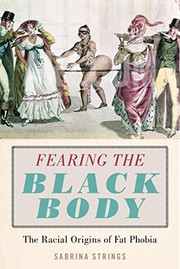
Sabrina Strings
2019 · 304 pages · 2 reviews
Others: PositiveThere is an obesity epidemic in this country and poor black women are particularly stigmatized as “diseased” and a burden on the public health care system. This is only the most recent incarnation of the fear of fat black women, which Sabrina Strings shows took root more than two hundred years ago. Strings weaves together an eye-opening historical narrative ranging from the Renaissance to the current moment, analyzing important works of art, newspaper and magazine articles, and scientific literature and medical journals―where fat bodies were once praised―showing that fat phobia, as it relates to black women, did not originate with medical findings, but with the Enlightenment era belief that fatness was evidence of “savagery” and racial inferiority. The author argues that the contemporary ideal of slenderness is, at its very core, racialized and racist. Indeed, it was not until the early twentieth century, when racialized attitudes against fatness were already entrenched in the culture, that the medical establishment began its crusade against obesity. An important and original work, Fearing the Black Body argues convincingly that fat phobia isn’t about health at all, but rather a means of using the body to validate race, class, and gender prejudice.
What made the match, strongest first
Loved itthe rise in the fall was so interesting the only reason it didn't get a full five is because it didn't do anything outside of what any other non-fiction has ever done. I learned a lot about the dinosaurs and I think that's so valuable