
 Loved it
questionable fella, but very good book.
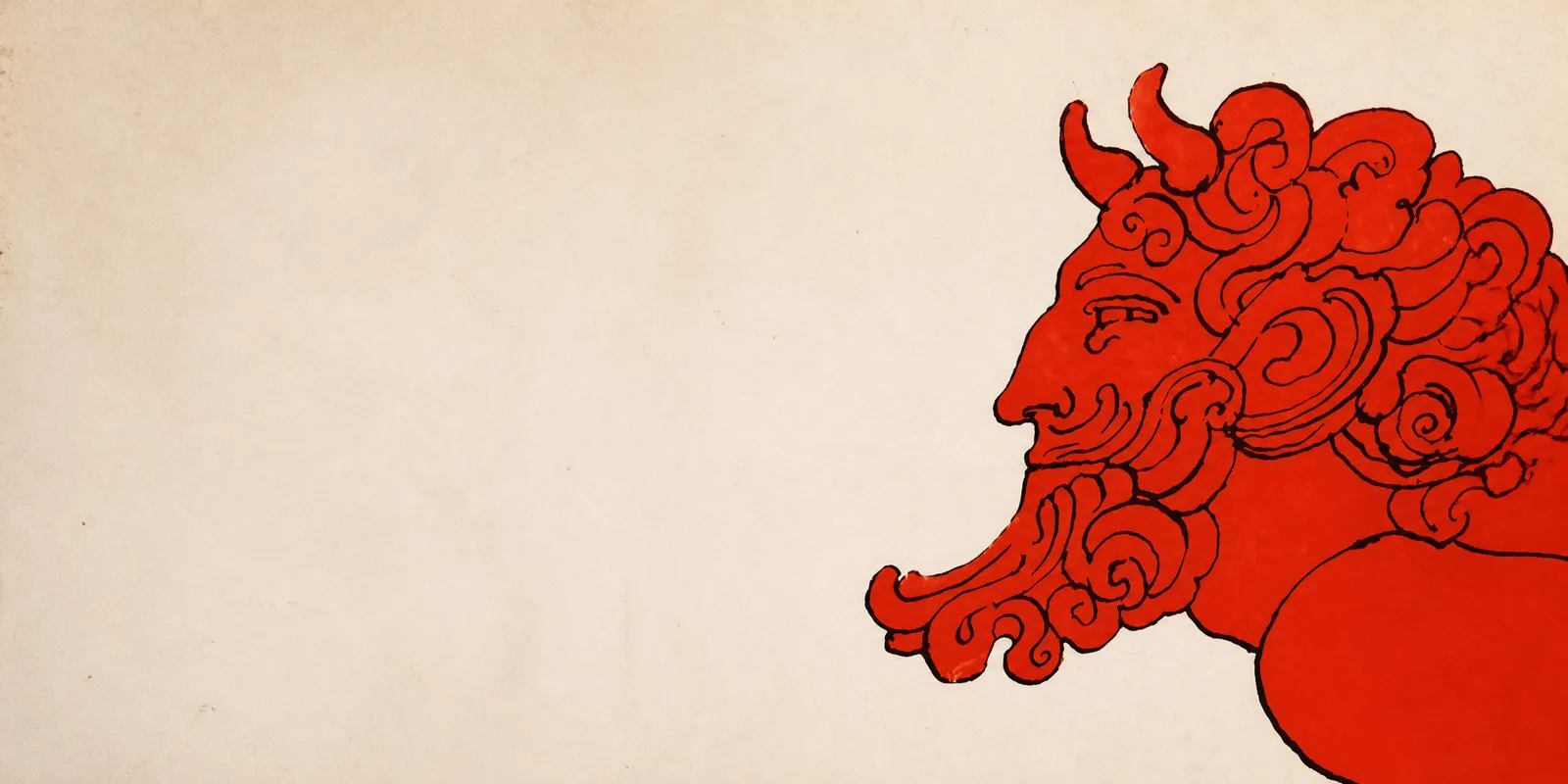
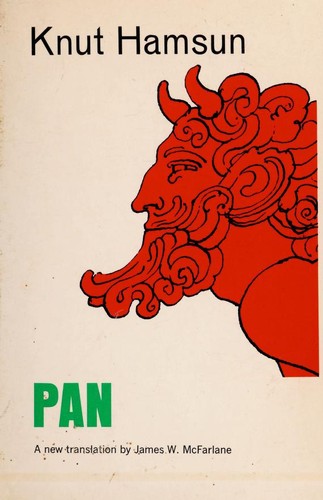
Others: Positive A hunter escapes the pressures of modern civilization to ramble through northern Norway’s forests. Thomas Glahn’s only friend is his dog, Aesop, until he meets Edvarda, a woman that breaks through his isolated existence. Hamsun explores the wild beauty of the landscape and forces us to look into the shadowy alcoves of the human mind. Written in the form of a diary, Pan is the novel that launched Hamsun’s legendary literary career.
Lists: …
Franz Kafka
1927 · 288 pages · 3 reviews
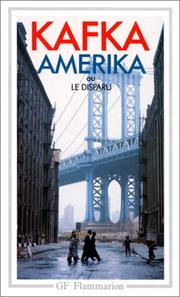
Others: Positive"Franz Kafka's diaries and letters suggest that his fascination with America grew out of a desire to break away from his native Prague, even if only in his imagination. Kafka died before he could finish what he liked to call his ''American novel," but he clearly entitled it Der Verschollene ("The Missing Person") in a letter to his fiancee, Felice Bauer, in 1912. Kafka began writing the novel that fall and wrote the last completed chapter in 1914, but it wasn't until 1927, three years after his death, that Amerika - the title that Kafka's friend and literary executor Max Brod gave his edited version of the unfinished manuscript - was published in Germany by Kurt Wolff Verlag. An English translation by Willa and Edwin Muir was published in Great Britain in 1932 and in the United States in 1946." "Over the last thirty years, an international team of Kafka scholars has been working on German-language critical editions of all of Kafka's writings, going back to the original manuscripts and notes, correcting transcription errors, and removing Brod's editorial and stylistic interventions to create texts that are as close as possible to the way the author left them." "With the same expert balance of precision and nuance that marked his award-winning translation of The Castle, Mark Harman now restores the humor and particularity of language in his translation of the critical edition of Der Verschollene. Here is the story of young Karl Rossmann, who, following an incident involving a housemaid, is banished by his parents to America. With unquenchable optimism and in the company of two comic-sinister companions, he throws himself into misadventure after misadventure, eventually heading toward Oklahoma, where a career in the theater beckons. Though we can never know how Kafka planned to end the novel, Harman's superb translation allows us to appreciate, as closely as possible, what Kafka did commit to the page."--Jacket.
What made the match, strongest first
Virginia Woolf
1925 · 224 pages · 7 reviews
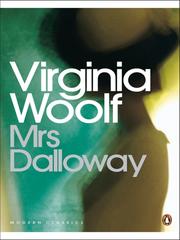
Others: Leaning positiveVirginia Woolf’s novel chronicles a day in the life of Clarissa Dalloway, a politician’s wife in 1920s London, as she prepares to host a party that evening. The narrative follows Clarissa’s thoughts (and sometimes those of people she meets) as she goes about her errands, and events in the day remind her of her youth and friendships from the past. As the book progresses characters from the past emerge, igniting old feelings and making Clarissa question the life she has created for herself. Mrs. Dalloway became the inspiration for Michael Cunningham’s 1998 novel The Hours.
What made the match, strongest first
Fiódor Dostoievski
1848 · 294 pages · 2 reviews
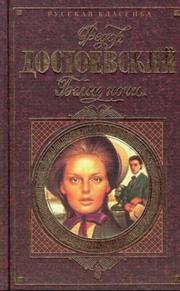
Others: PositiveWhite Nights is a short story by Fyodor Dostoevsky that was published in 1848. Set in St. Petersburg, it is the story of a young man fighting his inner restlessness. A light and tender narrative, it delves into the torment and guilt of unrequited love. Both protagonists suffer from a deep sense of alienation that initially brings them together. A blend of romanticism and realism, the story appeals gently to the senses and feelings.
What made the match, strongest first
Georges Rodenbach
1892 · 102 pages · 1 review
 Others: Mixed
Hugues Viane is a widower who has turned to the melancholy, decaying city of Bruges as the ideal location in which to mourn his wife and as a backdrop for the narcissistic wanderings of his disturbed spirit. He becomes obsessed with a young dancer whom he believes is the double of his beloved wife, leading him to psychological torment and humiliation, culminating in a deranged murder. This 1892 work is a poet's novel, dense, visionary, and haunting. Bruges, the 'dead city', becomes a metaphor for Hugues' dead wife as he follows its mournful labyrinth of streets and canals in a cyclical promenade of reflection and allusion--the ultimate evocation of Rodenbach's lifelong love affair with the enduring mystery and mortuary atmosphere of Bruges.
What made the match, strongest first
Knut Hamsun
2008 · 155 pages · 1 review
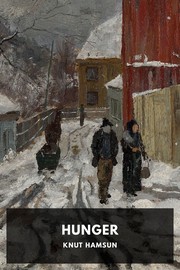
Others: PositiveHungerby Knut Hamsun is a psychological exploration of desperation, human will, and existential struggle. Through the eyes of the unnamed protagonist, Hamsun paints a stark picture of poverty and isolation in a modernizing city. The protagonist's hunger is both literal and symbolic, representing not only his physical deprivation but also his yearning for meaning and artistic recognition. The novel delves into the complexities of mental instability as the narrator fluctuates between states of delusion, pride, and anguish, revealing the depths of human suffering and resilience. Since its publication, Hunger has been hailed as a pioneering work in modernist literature. Its introspective narrative style and focus on the inner turmoil of the protagonist have influenced many later writers. The novel's existential themes resonate with readers, touching on the alienation and internal conflict faced by individuals in a rapidly changing society. Hamsun's depiction of the psychological effects of extreme hunger and poverty is both poignant and unsettling, offering a raw portrayal of human endurance in the face of societal neglect. The relevance of Hunger persists due to its timeless exploration of human nature. By examining the intersections of pride, despair, and the quest for survival, the novel provides a profound commentary on the fragility of the human condition. Hamsun's work continues to inspire reflection on issues of poverty, mental health, and the search for purpose, making it a powerful contribution to world literature
What made the match, strongest first
Vladimir Nabokov
1777 · 319 pages · 8 reviews
 Others: Overwhelmingly positive
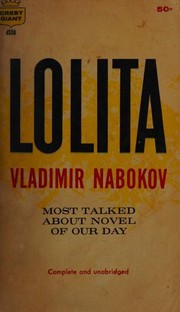
Lolita is a 1955 novel written by Russian-American novelist Vladimir Nabokov. The novel is notable for its controversial subject: the protagonist and unreliable narrator, a middle-aged literature professor under the pseudonym Humbert Humbert, is obsessed with a 12-year-old girl, Dolores Haze, whom he sexually molests after he becomes her stepfather. "Lolita" is his private nickname for Dolores. The novel was originally written in English and first published in Paris in 1955 by Olympia Press. Later it was translated into Russian by Nabokov himself and published in New York City in 1967 by Phaedra Publishers.
What made the match, strongest first
Loved itquestionable fella, but very good book.