Hunger
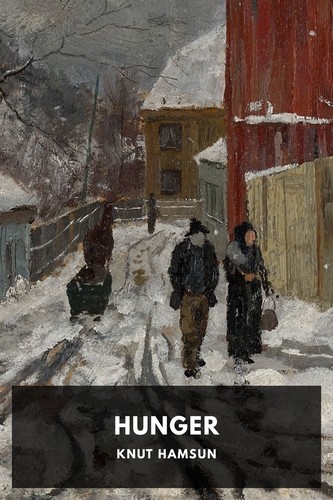
HungerKnut Hamsun
Buy on Amazon

Hunger (2008)

Knut Hamsun

Others: Positive

Hungerby Knut Hamsun is a psychological exploration of desperation, human will, and existential struggle. Through the eyes of the unnamed protagonist, Hamsun paints a stark picture of poverty and isolation in a modernizing city. The protagonist's hunger is both literal and symbolic, representing not only his physical deprivation but also his yearning for meaning and artistic recognition. The novel delves into the complexities of mental instability as the narrator fluctuates between states of delusion, pride, and anguish, revealing the depths of human suffering and resilience. Since its publication, Hunger has been hailed as a pioneering work in modernist literature. Its introspective narrative style and focus on the inner turmoil of the protagonist have influenced many later writers. The novel's existential themes resonate with readers, touching on the alienation and internal conflict faced by individuals in a rapidly changing society. Hamsun's depiction of the psychological effects of extreme hunger and poverty is both poignant and unsettling, offering a raw portrayal of human endurance in the face of societal neglect. The relevance of Hunger persists due to its timeless exploration of human nature. By examining the intersections of pride, despair, and the quest for survival, the novel provides a profound commentary on the fragility of the human condition. Hamsun's work continues to inspire reflection on issues of poverty, mental health, and the search for purpose, making it a powerful contribution to world literature

ISBN:
9783965378285
Length:
155 pages

Genres: literary fiction, classics

Lists: …

Similar books

1 of 6
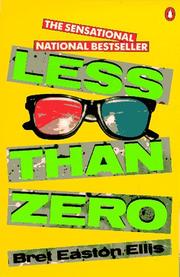
  • Less than Zero

    Bret Easton Ellis

    1985 · 208 pages · 1 review

    Others: Positive

    Set in Los Angeles in the early 1980's, this coolly mesmerizing novel is a raw, powerful portrait of a lost generation who have experienced sex, drugs, and disaffection at too early an age, in a world shaped by casual nihilism, passivity, and too much money a place devoid of feeling or hope. Clay comes home for Christmas vacation from his Eastern college and re-enters a landscape of limitless privilege and absolute moral entropy, where everyone drives Porches, dines at Spago, and snorts mountains of cocaine. He tries to renew feelings for his girlfriend, Blair, and for his best friend from high school, Julian, who is careering into hustling and heroin. Clay's holiday turns into a dizzying spiral of desperation that takes him through the relentless parties in glitzy mansions, seedy bars, and underground rock clubs and also into the seamy world of L.A. after dark.
    Why?

    What made the match, strongest first

    On 5+ of the same lists
    72%
    Also classics and literary fiction
    21%
    Bookpilled loved both
    7%
    Personalize your recommendations
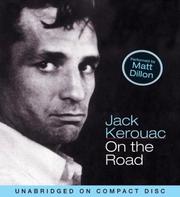
  • On The Road

    Jack Kerouac

    1957 · 304 pages · 3 reviews

    Others: Mostly negative

    Described as everything from a "last gasp" of romantic fiction to a founding text of the Beat Generation movement, this story amounts to a nonfiction novel (as critics were later to describe some works). Unpublished writer buddies wander from coast to coast in search of whatever they find, eager for experience. Kerouac's spokesman is Sal Paradise (himself) and real-life friend Neal Casady appears as Dean Moriarty.

    Why?

    What made the match, strongest first

    On 5+ of the same lists
    58%
    Also classics and literary fiction
    42%
    Personalize your recommendations
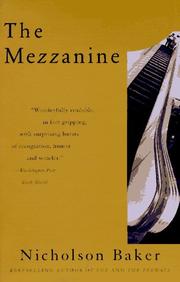
  • The mezzanine

    Nicholson Baker

    1988 · 135 pages · 4 reviews

    Others: Positive

    Although most of the action of The Mezzanine occurs on the escalator of an office building, where its narrator is returning to work after buying shoelaces, this startlingly inventive and witty novel takes us farther than most fiction written today. It lends to milk cartons the associative richness of Marcel Proust's madeleines. It names the eight most significant advances in a human life —beginning with shoe-tying. It asks whether the hot air blowers in bathrooms really are more sanitary than towels. And it casts a dazzling light on our relations with the objects and people we usually take for granted.

    Why?

    What made the match, strongest first

    On 5+ of the same lists
    54%
    Also classics and literary fiction
    43%
    Similar descriptions
    3%
    Personalize your recommendations
  • Tropic of Cancer

    Henry Miller

    1934 · 321 pages · 1 review

    Others: Positive

    A stream-of-consciousness story of a poverty-stricken young American, living in Paris.

    Why?

    What made the match, strongest first

    On 5+ of the same lists
    57%
    Also classics and literary fiction
    43%
    Personalize your recommendations
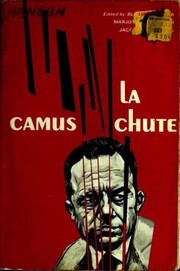
  • The Fall

    Albert Camus

    1917 · 147 pages · 0 reviews

    Num bar de marinheiros em Amesterdão, um homem que se apresenta como juiz-penitente enceta conversa com um desconhecido. Entre copos de Genebra e deambulações pelas ruas daquela cidade de canais concêntricos, a fazer lembrar os círculos do inferno, recorda a sua vida passada como respeitável advogado parisiense, insuperável na defesa de causas nobres e nas conquistas amorosas. Mas à medida que a confissão se desenrola as ambiguidades acumulam-se, os motivos ocultos revelam-se, os triunfos desabam. Narrativa mordaz, de uma ironia brilhante, A Queda descreve uma viagem de decadência até às mais obscuras infâmias do homem moderno. Publicado pela primeira vez em 1956, foi o último livro de ficção lançado em vida por Albert Camus.

    Why?

    What made the match, strongest first

    On 5+ of the same lists
    79%
    Also literary fiction
    21%
    Personalize your recommendations
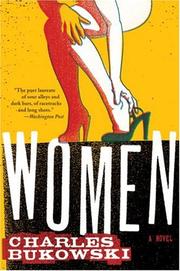
  • Women

    Charles Bukowski

    1978 · 290 pages · 2 reviews

    Others: Mixed

    Low-life writer and unrepentant alcoholic Henry Chinaski was born to survive. After decades of slacking off at low-paying dead-end jobs, blowing his cash on booze and women, and scrimping by in flea-bitten apartments, Chinaski sees his poetic star rising at last. Now, at fifty, he is reveling in his sudden rock-star life, running three hundred hangovers a year, and maintaining a sex life that would cripple Casanova. With all of Bukowski's trademark humor and gritty, dark honesty, this 1978 follow-up to Post Office and Factotum is an uncompromising account of life on the edge.

    Why?

    What made the match, strongest first

    On 5+ of the same lists
    85%
    Also classics
    15%
    Personalize your recommendations

Reviews1

Bookpilled
Loved it

This is another book that I read in one sitting... Great book. This is a book about a starving, literally on the brink of death, starving essayist who is completely delusional about his own abilities and his own talents as a writer... Gripping. Such a good book to my memory.