
 Loved it
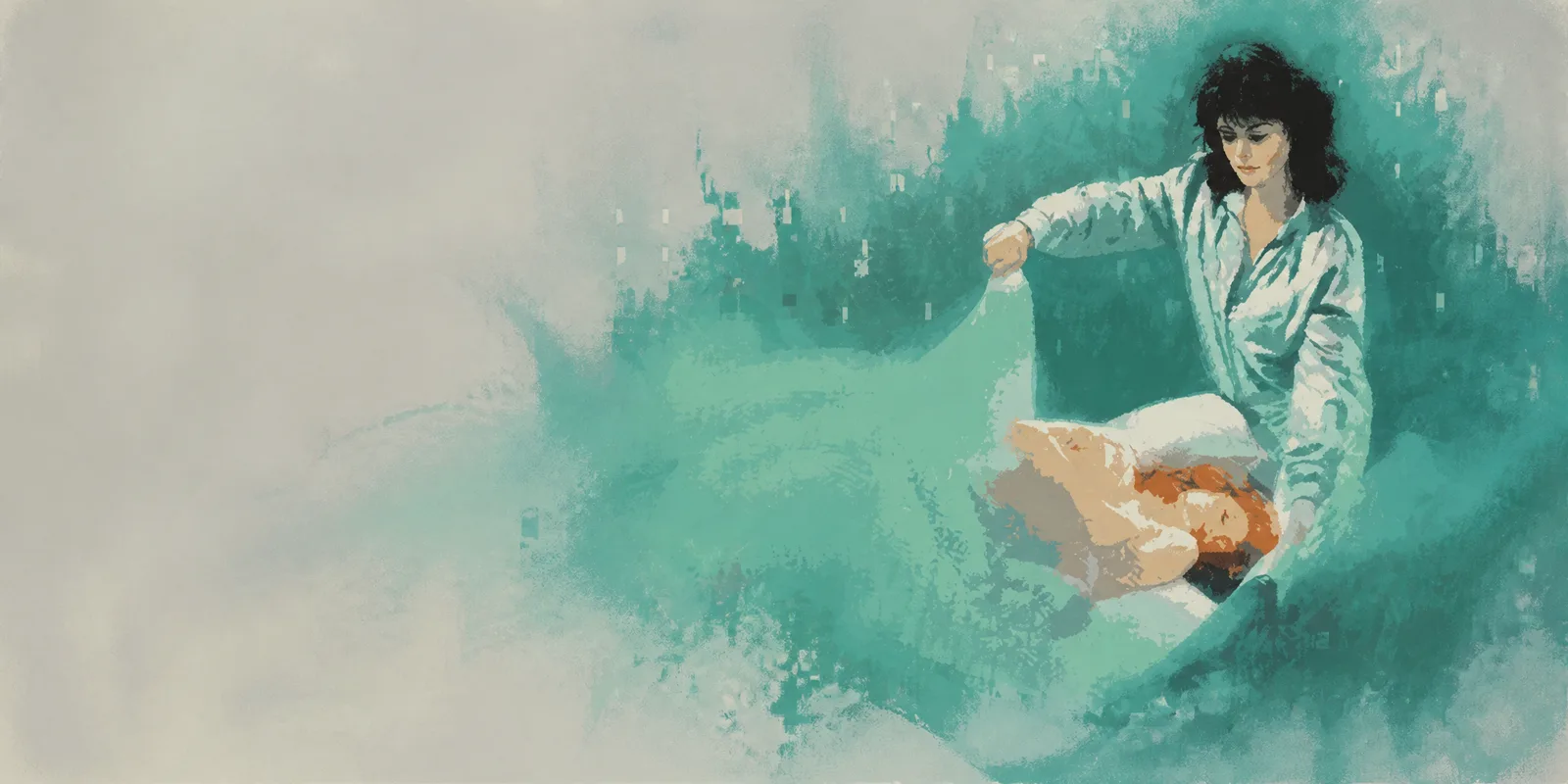
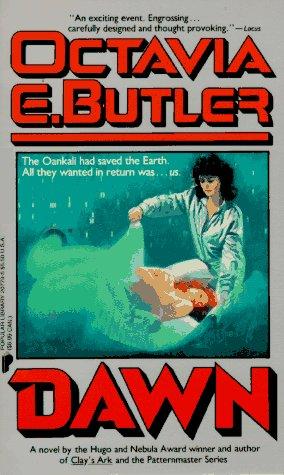
Great book, not a great cover.
Review 1 of 3
 Others: Overwhelmingly positive
aliens reproducing with humans. they are mixing genes with humans because humans have destroyed earth basically because nuclear war. because they are stupid. credit to katsoda26
Genres: fantasy, science fiction
Lists: …
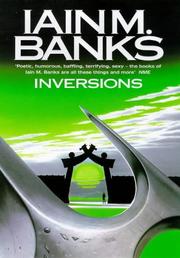
Iain Banks
1988 · 352 pages · 3 reviews
Others: PositiveIn the winter palace, the King’s new physician has more enemies than she at first realises. But then she also has more remedies to hand than those who wish her ill can know about. In another palace across the mountains, in the service of the regicidal Protector General, the chief bodyguard, too, has his enemies. But his enemies strike more swiftly, and his means of combating them are more traditional.
What made the match, strongest first
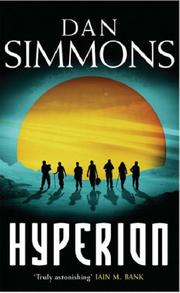
Dan Simmons
1989 · 481 pages · 18 reviews
Others: Overwhelmingly positiveIn the 29th century, the Hegemony of Man comprises hundreds of planets connected by farcaster portals. The Hegemony maintains an uneasy alliance with the TechnoCore, a civilisation of AIs. Modified humans known as Ousters live in space stations between stars and are engaged in conflict with the Hegemony. Numerous "Outback" planets have no farcasters and cannot be accessed without incurring significant time dilation. One of these planets is Hyperion, home to structures known as the Time Tombs, which are moving backwards in time and guarded by a legendary creature known as the Shrike. On the eve of an Ouster invasion of Hyperion, a final pilgrimage to the Time Tombs has been organized. The pilgrims decide that they will each tell their tale of how they were chosen for the pilgrimage.
What made the match, strongest first
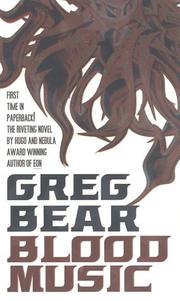
Greg Bear
1985 · 262 pages · 7 reviews
Others: Overwhelmingly positiveIn the tradition of the greatest cyberpunk novels, Blood Music explores the imminent destruction of mankind and the fear of mass destruction by technological advancements. The novel follows present-day events in which the fears concerning the nuclear annihilation of the world subsided after the Cold War and the fear of chemical warfare spilled over into the empty void it left behind. An amazing breakthrough in genetic engineering made by Vergil Ulam is considered too dangerous for further research, but rather than destroy his work, he injects himself with his creation and walks out of his lab, unaware of just how his actions will change the world. Author Greg Bear’s treatment of the traditional tale of scientific hubris is both suspenseful and a compelling portrait of a new intelligence emerging amongst us, irrevocably changing our world.
What made the match, strongest first
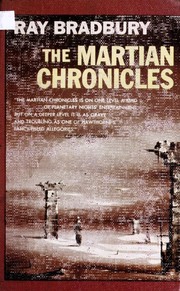
Ray Bradbury
1950 · 222 pages · 5 reviews
Others: Overwhelmingly positiveThis is a collection of science fiction short stories, cleverly cobbled together to form a coherent and very readable novel about a future colonization of Mars. As the stories progress chronologically the author tells how the first humans colonized Mars, initially sharing the planet with a handful of Martians. When Earth is devastated by nuclear war the colony is left to fend for itself and the colonists determine to build a new Earth on Mars.
What made the match, strongest first
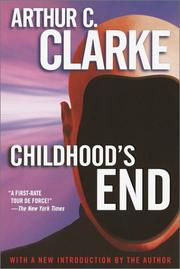
Arthur C. Clarke
1952 · 220 pages · 9 reviews
Others: Leaning positiveChildhood's End is a 1953 science fiction novel by British author Arthur C. Clarke. The story follows the peaceful alien invasion of Earth by the mysterious Overlords, whose arrival ends all war, helps form a world government, and turns the planet into a near-utopia. Many questions are asked about the origins and mission of the aliens, but they avoid answering, preferring to remain in their ships, governing through indirect rule. Decades later, the Overlords eventually show themselves, and their impact on human culture leads to a Golden Age. However, the last generation of children on Earth begin to display powerful psychic abilities, heralding their evolution into a group mind, a transcendent form of life.
What made the match, strongest first
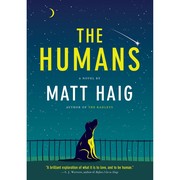
Matt Haig
2013 · 282 pages · 1 review
Others: PositiveWhen an extraterrestrial arrives on Earth, his first impressions of humans are less than positive. Taking the form of Professor Andrew Martin at Cambridge University, the visitor is eager to complete his task and hurry back to his own utopian planet. Disgusted by the way humans look, what they eat, their capacity for murder and war, he is equally baffled by the concepts of love and family. But as time goes on, he starts to reconsider.
What made the match, strongest first
Loved itGreat book, not a great cover.
Loved itI think that the openings the First Act is awesome this first Contact story it's mysterious it's Eerie it's creepy the atmosphere and the tone Butler absolutely Nails it
Loved itthis is the book that stuck with me the longest this is the book that I think about all the time and really is is definitely in my top five science fiction books of all time