 Loved it
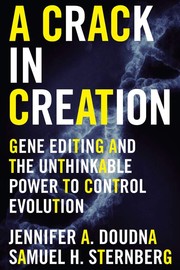
I love this book for like three reasons - I mean, the first one is that I just love reading about genetics, and this was a really great book about genetics and how it actually works.
 Kalanadi 11.8K subscribers · Dec 31, 2017
Favorite Books of 2017 [CC]
- Best of 2017 · 20 books · counted in creators' Best of 2017
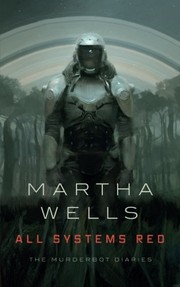
The last two books on this list I would categorize as plain old fun reads that I flat-out enjoyed! And last, #20, is All Systems Red by Martha Wells, about Murderbot, a soldier unit that cracks its governance module, becomes autonomous, but really doesn't want to have anything to do with other people.
Some really cool ideas, but mainly I loved the way it made me feel and that I actually dragged out reading the book so that I could prolong the experience.
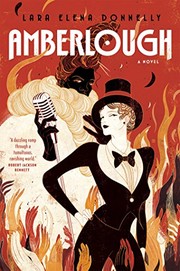
I initially picked up this book based solely on the beautiful, fiery cover art by Victo Ngai, and then I loved the inside of it and it also broke my heart a little bit. I believe this is Donnelly's debut novel and what a debut it is!
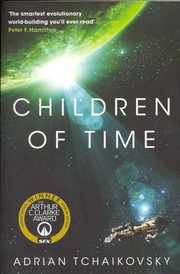
I really loved seeing the rise and evolution of one species pitted against the fall and the de-evolution of another, and never thought I would be rooting so much for spiders.
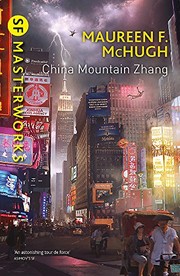
It was wonderful. I did an entire video about it which was very gushy and possibly not very coherent.
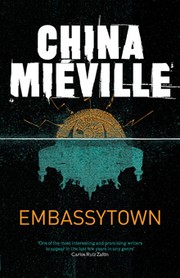
It was fascinating and I think I did a better job at explaining what the book is about in a weekly wrap-up at one point.
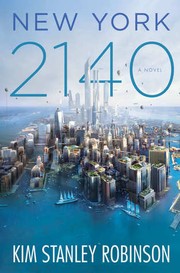
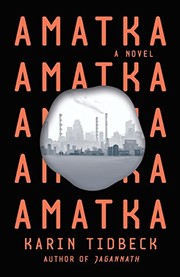
No surprise to finally see this on a favorites list! I really fail at describing the plot of this book in a nutshell because there's so much going on in it, but this is a climate change environmental novel that is also very heavily about the economy and the financial world - and there's a lot of info dumping about how all this works.
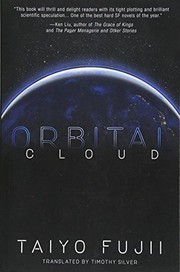
This is a science fiction thriller that actually really thrilled me and had me glued to the page. I ate up all of the details. I love the technology.
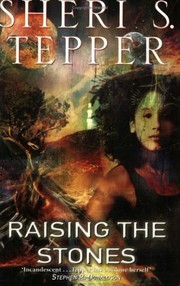
I love this book mostly because I felt at the end of it that I'd gone on a very long journey and loved every step along the way.
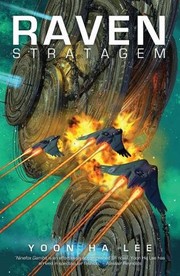
Though I'm thinking at this point that the Ravent Stratagem was even a little bit better than Ninefox Gambit for me - just a little bit. It is a very different book, so comparing the experience of reading them is maybe not the best. But I loved being immersed in the world again.
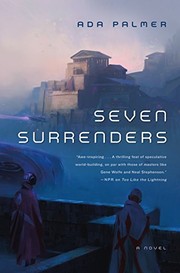
Very much on par with the quality of the first book and I loved it more because I got so many answers. A lot of things pay off in this one and it had my mind just madly churning, trying to figure things out before they're explicitly answered by characters.
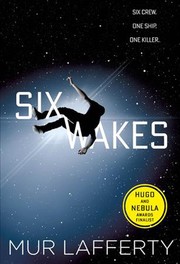
It's a murder mystery in a locked room scenario - in this case, on a space ship - and I ate it up for the mystery, for the cloning aspect (which was very well thought out), and then it had to be on this list because I kept being reminded of this book all year long.
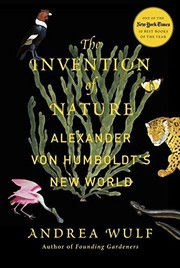
This was probably the first real biography I've ever read - the first one that I elected to read on my own. And I loved it. Wulf's writing style is perfect.
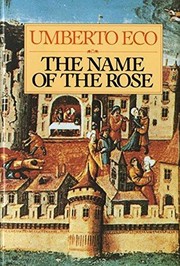
It's a mystery novel and I love the mystery in it. I love the untangling of clues and more mysteries and deaths piling up. It's also historical fiction and it really dives into theological discussions, which I didn't always follow, but the whole thing is rich in detail, wonderfully told, just a good story that will really appeal to people who love libraries and books.
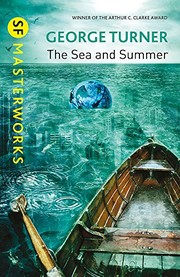
But I think it says a lot that this is one of those rare books that, at the end of the year, I had to upgrade to a five-star book because I just kept thinking about it and how great it was.
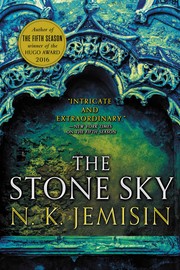
I can't say too much about it because, you know, spoiler risk, but I really feel like Jemisin stuck the landing perfectly on this one. It's probably one of the best series conclusions I've ever read, balancing giving all of the answers that I expected, but not going too far and over explaining.
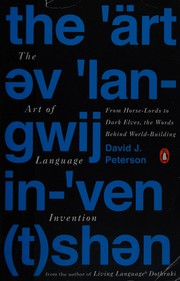
I love this because the topic, creating invented languages, has been very near and dear to me for most of my life at this point. But this is also just a really great book about how to create constructed languages in a realistic fashion - about grammar and linguistics and how languages actually work and evolve.
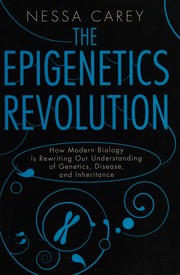
It is not a light, easy non-fiction read by any means, but for me, I learned so much from this book. It was a much more technical, cutting-edge book about recent discoveries and genetics, rather than just rehashing the history of the field again, and that is what I wanted.
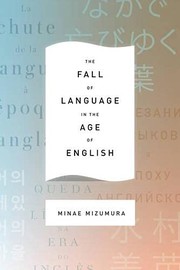
I would basically say this is an extended essay in which Mizumura is talking about choosing to write and publish in one's native, non-English language, in a world dominated by English. But for me, it made me think much more about what reading translated fiction does for me.