
 Loved it
this is one that I found thought provoking well after I close the page and I thought about this one quite a bit for several months after I finished it
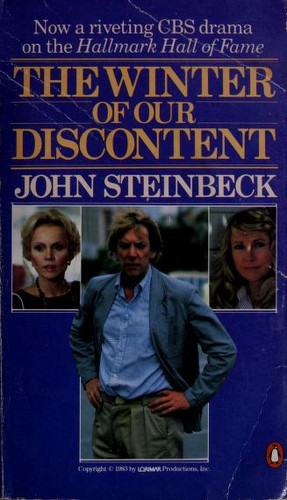
Others: Positive Steinbeck's last great novel focuses on the theme of success and what motivates men towards it. Reflecting back on his New England family's past fortune, and his father's loss of the family wealth, the hero, Ethan Allen Hawley, characterises successin every era and in all its forms as robbery, murder, even a kind of combat, operating under 'the laws of controlled savagery.'
Genres: classics
Lists: …
John Steinbeck
1954 · 264 pages · 1 review
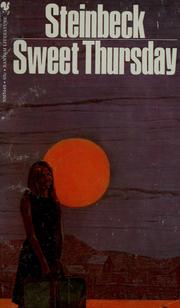
Others: PositiveIn Monterey, on the California coast, Sweet Thursday is what they call the day after Lousy Wednesday, which is one of those days that are just naturally bad. Returning to the scene of Cannery Row—the weedy lots and junk heaps and flophouses of Monterey, John Steinbeck once more brings to life the denizens of a netherworld of laughter and tears—from Fauna, new headmistress of the local brothel, to Hazel, a bum whose mother must have wanted a daughter.
What made the match, strongest first
Charles Dickens
1800 · 772 pages · 2 reviews
 Others: Mixed
The greed of his family has led wealthy old Martin Chuzzlewit to become suspicious and misanthropic, leaving his grandson and namesake to make his own way in the world. And so young Martin sets out from the Wiltshire home of his supposed champion, the scheming architect Pecksniff, to seek his fortune in America. In depicting Martin's journey – an experience that teaches him to question his inherited self-interest and egotism – Dickens created many vividly realized figures: the brutish lout Jonas Chuzzlewit, plotting to gain the family fortune; Martin's optimistic manservant, Mark Tapley; gentle Tom Pinch; and the drunken and corrupt private nurse, Mrs Gamp. With its portrayal of greed, blackmail and murder, and its searing satire on America Dickens's novel is a powerful and blackly comic story of hypocrisy and redemption.
What made the match, strongest first
Oscar Wilde
1893 · 106 pages · 2 reviews
 Others: Overwhelmingly positive
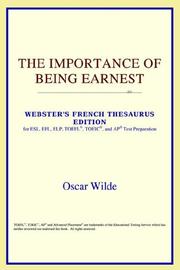
Set in England during the late Victorian era, the play's humour derives in part from characters maintaining fictitious identities to escape unwelcome social obligations. It is replete with witty dialogue and satirises some of the foibles and hypocrisy of late Victorian society. It has proved Wilde's most enduringly popular play. - Wikipedia
What made the match, strongest first
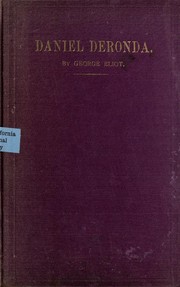
George Eliot
1800 · 642 pages · 1 review
Others: PositiveAs Daniel Deronda opens, Gwendolen Harleth is poised at the roulette-table, prepared to throw away her family fortune. She is observed by Daniel Deronda, a young man groomed in the finest tradition of the English upper-classes. And while Gwendolen loses everything and becomes trapped in an oppressive marriage, Deronda's fortunes take a different turn. After a dramatic encounter with the young Jewish woman Mirah, he becomes involved in a search for her lost family and finds himself drawn into ever-deeper sympathies with Jewish aspirations and identity. 'I meant everything in the book to be related to everything else', wrote George Eliot of her last and most ambitious novel, and in weaving her plot strands together she created a bold and richly textured picture of British society and the Jewish experience within it.
What made the match, strongest first
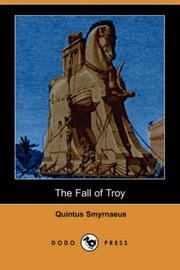
Quintus Smyrnaeus
1999 · 316 pages · 1 review
Others: PositiveHomer's Iliad begins towards the close of the last of the ten years of the Trojan War: its incidents extend over some fifty days only, and it ends with the burial of Hector. The things which came before and after were told by other bards, who between them narrated the whole cycle of the events of the war, and so were called the Cyclic Poets. Of their works none have survived; but the story of what befell between Hector's funeral and the taking of Troy is told in detail, and well told, in a poem about half as long as the Iliad.
What made the match, strongest first
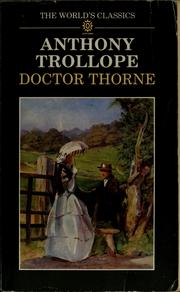
Anthony Trollope
1858 · 524 pages · 3 reviews
Others: MixedThe Chronicles of Barsetshire, Book 3: Dr. Thorne Mary Thorne, orphaned (and illegitimate) niece of Dr. Thorne, has long been a favorite at Greshamsbury House--until Lady Arabella Gresham learns that her only son Frank is in love with Mary. The unhappy Mary is banished forthwith, because the Gresham family fortunes are so depleted that Frank must marry money. Frank, however, is one of the few completely honorable young men in Trollope's novels and remains stubbornly true to his love. Well, he does propose to another woman, at the insistence of his mother, but only with the virtual certainty that he will be rejected--as indeed he is. The lady is Miss Dunstable, one of Trollope's most delightful characters, a fabulously wealthy thirtyish heiress of an ointment company. She is a bold, witty woman, not beautiful, but attractive in her way, whose wealth invites countless proposals. After the rather complicated plot unfolds, the tables are completely turned, and Mary is eagerly welcomed by Lady Arabella (who, of course, has always loved her) as the savior of the family.
What made the match, strongest first
Loved itthis is one that I found thought provoking well after I close the page and I thought about this one quite a bit for several months after I finished it