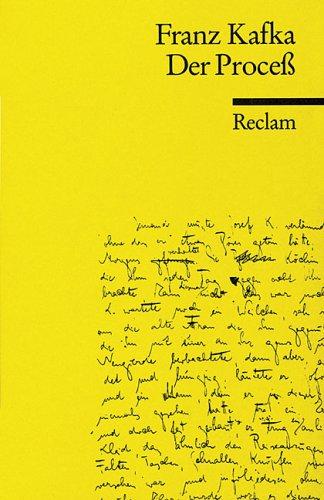
Trial (1825)
Byzantine and claustrophobic novel of a man arrested by the secret police and charged with an unspecified crime. Unable to defend himself and disorientated by the legal process at work around him the man soon becomes apathetic and acquiescent, accepting his eventual sentence as inevitable.
- ISBN:
- 9781513204963
- Length:
- 279 pages
Lists: …
Similar books
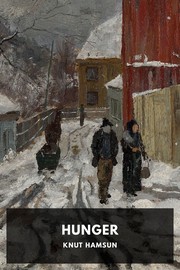
Hunger
Knut Hamsun
2008 · 155 pages · 1 review
 Others: Positive
Hungerby Knut Hamsun is a psychological exploration of desperation, human will, and existential struggle. Through the eyes of the unnamed protagonist, Hamsun paints a stark picture of poverty and isolation in a modernizing city. The protagonist's hunger is both literal and symbolic, representing not only his physical deprivation but also his yearning for meaning and artistic recognition. The novel delves into the complexities of mental instability as the narrator fluctuates between states of delusion, pride, and anguish, revealing the depths of human suffering and resilience. Since its publication, Hunger has been hailed as a pioneering work in modernist literature. Its introspective narrative style and focus on the inner turmoil of the protagonist have influenced many later writers. The novel's existential themes resonate with readers, touching on the alienation and internal conflict faced by individuals in a rapidly changing society. Hamsun's depiction of the psychological effects of extreme hunger and poverty is both poignant and unsettling, offering a raw portrayal of human endurance in the face of societal neglect. The relevance of Hunger persists due to its timeless exploration of human nature. By examining the intersections of pride, despair, and the quest for survival, the novel provides a profound commentary on the fragility of the human condition. Hamsun's work continues to inspire reflection on issues of poverty, mental health, and the search for purpose, making it a powerful contribution to world literature
Why?
What made the match, strongest first
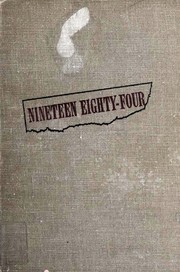
On 5+ of the same lists80%Also classics19%Similar descriptionsPersonalize your recommendations1%Nineteen Eighty-Four
George Orwell
1949 · 314 pages · 12 reviews
Others: Mostly positiveNineteen Eighty-Four: A Novel, often referred to as 1984, is a dystopian social science fiction novel by the English novelist George Orwell (the pen name of Eric Arthur Blair). It was published on 8 June 1949 by Secker & Warburg as Orwell's ninth and final book completed in his lifetime. Thematically, Nineteen Eighty-Four centres on the consequences of totalitarianism, mass surveillance, and repressive regimentation of persons and behaviours within society. Orwell, himself a democratic socialist, modelled the authoritarian government in the novel after Stalinist Russia. More broadly, the novel examines the role of truth and facts within politics and the ways in which they are manipulated.
Why?
What made the match, strongest first
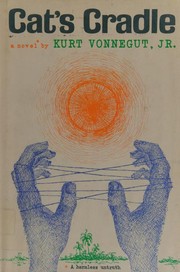
On 5+ of the same lists69%Also classics and fantasyPersonalize your recommendations31%Cat's Cradle
Kurt Vonnegut
1963 · 231 pages · 5 reviews
 Others: Overwhelmingly positive
Cat's Cradle is Kurt Vonnegut's satirical commentary on modern man and his madness. An apocalyptic tale of this planet's ultimate fate, it features a midget as the protagonist, a complete, original theology created by a calypso singer, and a vision of the future that is at once blackly fatalistic and hilariously funny. A book that left an indelible mark on an entire generation of readers, Cat's Cradle is one of the twentieth century's most important works -- and Vonnegut at his very best.
Why?
What made the match, strongest first
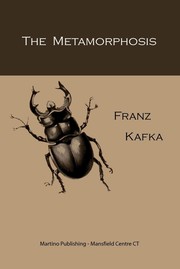
On 5+ of the same lists58%Also classics and fantasyPersonalize your recommendations42%Metamorphosis
Franz Kafka
1915 · 91 pages · 5 reviews
Others: Leaning positiveMetamorphosis (German: Die Verwandlung) is a novella written by Franz Kafka which was first published in 1915. One of Kafka's best-known works, Metamorphosis tells the story of salesman Gregor Samsa, who wakes one morning to find himself inexplicably transformed into a huge insect (German: ungeheueres Ungeziefer, lit. "monstrous vermin") and subsequently struggles to adjust to this new condition. The novella has been widely discussed among literary critics, with differing interpretations being offered. In popular culture and adaptations of the novella, the insect is commonly depicted as a cockroach. With a length of about 70 printed pages over three chapters, it is the longest of the stories Kafka considered complete and published during his lifetime. The text was first published in 1915 in the October issue of the journal Die weißen Blätter under the editorship of René Schickele. The first edition in book form appeared in December 1915 in the series Der jüngste Tag, edited by Kurt Wolff.
Why?
What made the match, strongest first
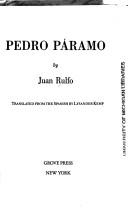
On 5+ of the same lists75%Also classics and fantasyPersonalize your recommendations25%Pedro Páramo
Juan Rulfo
1955 · 123 pages · 2 reviews
Others: Overwhelmingly positiveDentro de su brevedad -determinada por el rigor y la concentración expresiva-, Pedro Páramo sintetiza la mayor parte de los temas que han interesado -y afligido- siempre a los mexicanos: ese misterio nacional que el talento de Juan Rulfo ha sabido condensar por medio rural del sur de Jalisco -de Comala en particular, región inscrita ya en la mitología literia universal-; sus personajes muertos que "evasivos, reticentes, convierten en secreto el aire mismo, y se vuelven elocuentes como consecuencia de callarse."
Why?
What made the match, strongest first
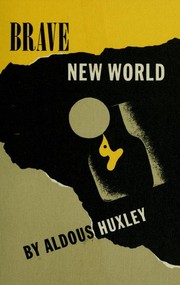
Also classics and fantasy63%On 5+ of the same listsPersonalize your recommendations37%Brave New World
Aldous Huxley
1932 · 232 pages · 11 reviews
Others: Leaning positiveOriginally published in 1932, this outstanding work of literature is more crucial and relevant today than ever before. Cloning, feel-good drugs, antiaging programs, and total social control through politics, programming, and media -- has Aldous Huxley accurately predicted our future? With a storyteller's genius, he weaves these ethical controversies in a compelling narrative that dawns in the year 632 AF (After Ford, the deity). When Lenina and Bernard visit a savage reservation, we experience how Utopia can destroy humanity. A powerful work of speculative fiction that has enthralled and terrified readers for generations, Brave New World is both a warning to be heeded and thought-provoking yet satisfying entertainment. - Container.
Why?
What made the match, strongest first
On 5+ of the same lists76%Also classics22%Similar descriptionsPersonalize your recommendations2%