

 Loved it
which I do actually highly recommend anyone looking into that looking into the patterns of how Fascist governments come to be so you can recognize them when and they are happening right now
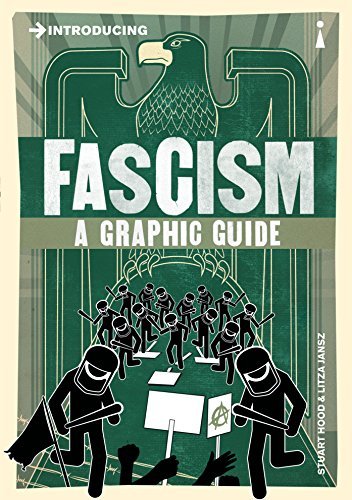
Others: Positive Did Fascism end with the Allied victory over the Axis powers in 1945, or has it been lying dormant and is now re-awakening as we move into the 21st century? Introducing Fascism trace the origins of Fascism in 19th-century traditions of ultra-conservatism, the ideas of Nietzsche, Wagner and other intellectuals which helped to make racist doctrines respectable and which led to the ultimate horrifying 'logic' of the Holocaust. Introducing Fascism investigates the four types of Fascism that emerged after the First World War in Italy, Germany, Spain and Japan. It also looks beyond the current headlines of neo-Nazi hooliganism and examines the increasing political success of the far right in Western Europe and the explosion of ultra-nationalisms in Eastern Europe and the former Soviet Union.
Genres: nonfiction, graphic novel
Lists: …
Rosan Smits
2026 · 192 pages · 1 review
Others: PositiveAn international bestseller, this “excellent” (Timothy Snyder, author of On Tyranny), urgent book outlines how fascism has returned to the mainstream―and how we can stop it Fascism is back. This time no swastikas or concentration camps, but MAGA hats and masked immigration officers. In his second term, Donald Trump is putting together a fascist regime. Not only Trump’s political adversaries say so; his own former advisers do, too. Internationally renowned scholars―experts in the field of fascism―say the evidence is overwhelming: Fascism is on the rise, not just in the US but around the world. Political scientist Rosan Smits topples the strongly held conviction in the West that our established democracies are immune. They are not. Fascism wasn’t just born in the West; it’s where new variants are being incubated. And these modern variants pose a threat not only to our national democracies but the international rules-based order built on law and human rights. The illusion that “it can’t happen here” makes us vulnerable and apathetic, precisely at a moment when action is still possible. Standing up against emerging fascism requires collective action. Nothing is inevitable in politics, and fascism doesn’t stand a chance if enough people understand that an attack on one person’s freedom is an attack on everyone’s freedom. If, in short, enough people understand: This is fascism.
What made the match, strongest first
Irene Smit
2017 · 400 pages · 1 review
Others: PositiveA perfect gift book filled with whimsical, colorful illustrations, short lists, cheerful prompts, recipes, and fun facts, The Tiny Book of Tiny Pleasures is the sweetest reminder imaginable that it’s the little things in life that make us happy. Little things like sharing tea with a friend. An ice cream cone with sprinkles. Finding a forgotten item of clothing in the closet. The smell in the air right after a summer rain. Created by the editors of Flow magazine, The Tiny Book of Tiny Pleasures is a celebration of slowing down and appreciating the simple moments of life—all you have to do is take notice.
What made the match, strongest first
Randall Munroe
2019 · 306 pages · 1 review
Others: PositiveFor any task you might want to do, there's a right way, a wrong way, and a way so monumentally complex, excessive, and inadvisable that no one would ever try it. How To is a guide to the third kind of approach. It's full of highly impractical advice for everything from landing a plane to digging a hole. Bestselling author and cartoonist Randall Munroe explains how to predict the weather by analyzing the pixels of your Facebook photos. He teaches you how to tell if you're a baby boomer or a 90's kid by measuring the radioactivity of your teeth. He offers tips for taking a selfie with a telescope, crossing a river by boiling it, and powering your house by destroying the fabric of space-time. And if you want to get rid of the book once you're done with it, he walks you through your options for proper disposal, including dissolving it in the ocean, converting it to a vapor, using tectonic plates to subduct it into the Earth's mantle, or launching it into the Sun. By exploring the most complicated ways to do simple tasks, Munroe doesn't just make things difficult for himself and his readers. As he did so brilliantly in What If?, Munroe invites us to explore the most absurd reaches of the possible. Full of clever infographics and fun illustrations, How To is a delightfully mind-bending way to better understand the science and technology underlying the things we do every day.
What made the match, strongest first
Grant Snider
2020 · 128 pages · 1 review
Others: PositiveWhat made the match, strongest first
Jen Campbell
2012 · 158 pages · 1 review
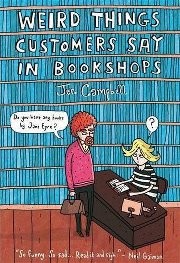
Others: PositiveCustomer: Have you read every single book in here? Bookseller: No, I can't say I have. Customer: Well, you're not very good at your job, are you? A simple Twitter question posed by John Cleese-"What is your pet peeve?" -inspired Jen Campbell to start a blog collecting all the ridiculous conversations overheard in her bookstore, everything from "Did Beatrix Potter ever write a book about dinosaurs?" to the hunt for a paperback which could forecast the next year’s weather; from "I've forgotten my glasses, please read me the first chapter" to "Excuse me ... is this book edible?"; and from "Can books conduct electricity?" to "My children are just climbing your bookshelves: that's ok... isn't it?" If we didn't know it already, this irresistible book is proof positive that booksellers are heroes, the world over.
What made the match, strongest first
Timothy Snyder
2017 · 128 pages · 1 review
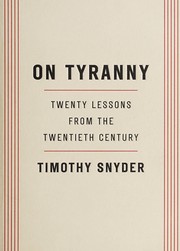
Others: PositiveIn previous books, Holocaust historian Timothy Snyder dissected the events and values that enabled the rise of Hitler and Stalin and the execution of their catastrophic policies. With Twenty Lessons, Snyder draws from the darkest hours of the twentieth century to provide hope for the twenty-first. As he writes, "Americans are no wiser than the Europeans who saw democracy yield to fascism, Nazism and communism. Our one advantage is that we might learn from their experience."
What made the match, strongest first
Loved itwhich I do actually highly recommend anyone looking into that looking into the patterns of how Fascist governments come to be so you can recognize them when and they are happening right now