

 Neutral
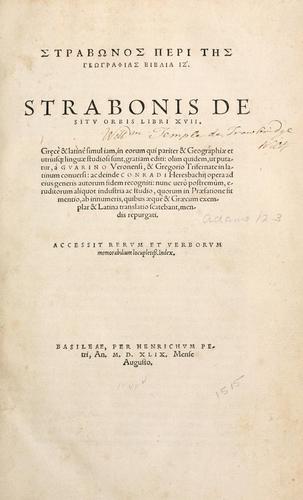
So he wrote a work titled geography or geographica which dates back to the early first millennia to the 1st century CE and is exactly what you would expect from a work entitled geography. It is an exploration of antiquity through geography.
Others: Neutral The Geographica (Ancient Greek: Γεωγραφικά, Geōgraphiká), or Geography, is an encyclopedia of geographical knowledge, consisting of 17 'books', written in Greek by Strabo, an educated citizen of the Roman empire of Greek descent. Work can have begun on it no earlier than 20 BC. A first edition was published in 7 BC followed by a gap, resumption of work and a final edition no later than 23 AD in the last year of Strabo's life. Strabo probably worked on his Geography and now missing History concurrently, as the Geography contains a considerable amount of historical data. Except for parts of Book 7, it has come down to us complete.
Lists: …
Robert Graves
1955 · 416 pages · 1 review
 Others: Mixed
Combines in a single volume the complete text of the definitive two-volume classic, citing all the ancient myths. For a full appreciation of literature or visual art, knowledge of the Greek myths is crucial. In this much-loved collection, poet and scholar Robert Graves retells the immortal stories of the Greek myths. Demeter mourning her daughter Persephone, Icarus flying too close to the sun, Theseus and the Minotaur … all are captured here with the author’s characteristic erudition and flair. The Greek Myths is the culmination of years of research and careful observation, however what makes this collection extraordinary is the imaginative and poetic style of the retelling. Drawing on his experience as a novelist and poet, Graves tells the fantastic stories of Ancient Greece in a style that is both absorbing and easy for the general reader to understand. Each story is accompanied by Graves’ interpretation of the origins and deeper meaning of the story, giving a reader an unparalleled insight into the customs and development of the Greek world.
What made the match, strongest first
Herodotus
1998 · 417 pages · 1 review
Others: NeutralDavid Grene, one of the best known translators of the Greek classics, splendidly captures the peculiar quality of Herodotus, the father of history. Here is the historian, investigating and judging what he has seen, heard, and read, and seeking out the true causes and consequences of the great deeds of the past. In his History , the war between the Greeks and Persians, the origins of their enmity, and all the more general features of the civilizations of the world of his day are seen as a unity and expressed as the vision of one man who as a child lived through the last of the great acts in this universal drama. In Grene's remarkable translation and commentary, we see the historian as a storyteller, combining through his own narration the skeletal "historical" facts and the imaginative reality toward which his story reaches. Herodotus emerges in all his charm and complexity as a writer and the first historian in the Western tradition, perhaps unique in the way he has seen the interrelation of fact and fantasy.
What made the match, strongest first
José Donoso
1973 · 438 pages · 3 reviews
 Others: Positive
Page 76-77 are missing from the online edition of this book.
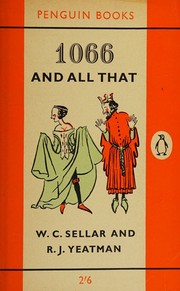
Walter Carruthers Sellar
1930 · 123 pages · 1 review
 Others: Negative
A tongue-in-cheek history of England which takes as its basic tenet the idea that history is only what you can remember and is therefore a collection of half remembered facts. The authors maintain that there are only two memorable dates, these being 1066 (the Battle of Hastings and the Norman Invasion) and 55 BC (the first Roman Invasion). The book begins with the Roman invasion and continues to the end of WW1, when America ‘was clearly thus Top Nation, and history came to a.
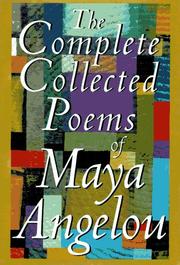
Maya Angelou
1994 · 273 pages · 1 review
Others: PositiveFor the first time, the complete collection of Maya Angelou's published poems-including "On the Pulse of Morning"-in a permanent collectible, handsome hardcover edition.From the Hardcover edition.
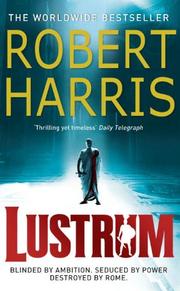
Robert Harris
2009 · 464 pages · 1 review
Others: PositiveThe year is 63 BC. In an age of political titans, Cicero stands supreme: the senior consul of the Roman republic. But jealous rivals are determined to destroy him and seize control of the state. To thwart them will take all his guile - and will lead him, and Rome, to the brink of destruction.
NeutralSo he wrote a work titled geography or geographica which dates back to the early first millennia to the 1st century CE and is exactly what you would expect from a work entitled geography. It is an exploration of antiquity through geography.