
 Loved it
this was a really interesting read went down really quick kind of a journalistic prose so it was easily digestible
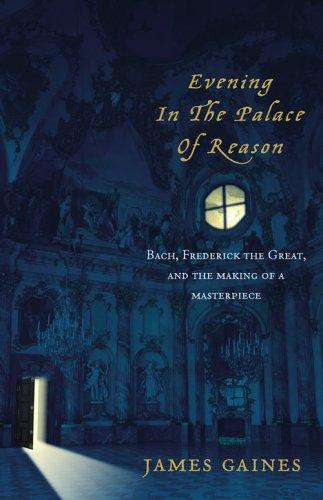
Others: Positive "James R. Gaines's Evening in the Palace of Reason sets up what seems to be the ultimate mismatch: a young, glamorously triumphant warrior-king, heralded by Voltaire as the very It Boy of the Enlightenment, pitted against a devout, bad-tempered composer of "outdated" music, a scorned genius in his last years, symbol of a bygone world. The sparks from their brief conflict illuminate a pivotal moment in history." "Behind the pomp and flash, Prussia's Frederick the Great was a tormented man. His father, Frederick William I, was most likely mad; he had been known to chase frightened subjects down the street, brandishing a cane and roaring, "Love me, scum!" Frederick adored playing his flute as much as his father despised him for it, and he was beaten mercilessly for this and other perceived flaws. After an unsuccessful attempt to escape, Frederick was forced to watch as his best friend and coconspirator was brutally executed." "Twenty years later, Frederick's personality having congealed into a love of war and a taste for manhandling the great and near-great, he worked hard and long to draw "old Bach" into his celebrity menagerie. He was aided by the composer's own son, C. P. E. Bach, chief keyboardist in the king's private chamber music group. The king had prepared a cruel practical joke for his honored guest, asking him to improvise a six-part fugue on a theme so fiendishly difficult some believe only Bach's son could have devised it. Bach left the court fuming. In a fever of composition, he used the coded, alchemical language of counterpoint to write A Musical Offering in response. A stirring declaration of everything Bach had stood for all his life, it represented "as stark a rebuke of his beliefs and worldview as an absolute monarch has ever received." It is also one of the great works of art in the history of music." "Set at the tipping point between the ancient and the modern world, the triumphant story of Bach's victory expands to take in the tumult of the eighteenth century: the legacy of the Reformation, wars and conquest, and the birth of the Enlightenment. Most important, it tells the story of that historic moment when Belief - the quintessentially human conviction that behind mundane appearances lies something mysterious and awesome - came face to face with the cold certainty of Reason."--BOOK JACKET
Lists: …
Maynard Solomon
1977 · 400 pages · 1 review
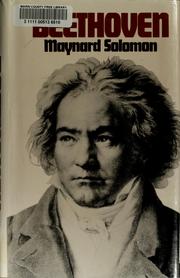
Others: PositivePresents a comprehensive study of Beethoven, his career, and his music.
What made the match, strongest first
Andy Weir
2011 · 369 pages · 42 reviews
 Others: Overwhelmingly positive
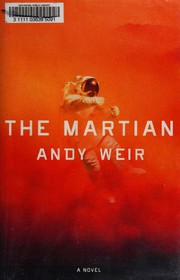
The Martian is a 2011 science fiction novel written by Andy Weir. It was his debut novel under his own name. It was originally self-published in 2011; Crown Publishing purchased the rights and re-released it in 2014. The story follows an American astronaut, Mark Watney, as he becomes stranded alone on Mars in 2035 and must improvise in order to survive.
What made the match, strongest first
George R. R. Martin
1996 · 804 pages · 27 reviews
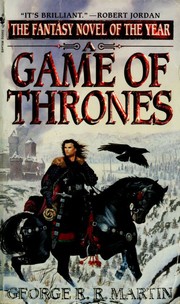
Others: Overwhelmingly positiveA Game of Thrones is the inaugural novel in A Song of Ice and Fire, an epic series of fantasy novels crafted by the American author George R. R. Martin. Published on August 1, 1996, this novel introduces readers to the richly detailed world of Westeros and Essos, where political intrigue, power struggles, and magical elements intertwine. The story unfolds through multiple perspectives, each chapter focusing on a different character, allowing readers to experience the narrative from various angles. This complex structure has become a hallmark of Martin's storytelling, immersing readers in the lives and motivations of a diverse cast. Plot Summary Set in the fictional continents of Westeros and Essos, the narrative revolves around the power struggles among noble families vying for the Iron Throne, the seat of power in the Seven Kingdoms of Westeros. The story is rich with political intrigue, betrayal, and epic battles, as well as a deep exploration of themes such as loyalty, honor, and the consequences of power. Themes The novel explores themes of power, loyalty, and the moral complexities of leadership. It delves into the consequences of ambition and the struggle between personal honor and political necessity. The richly detailed world-building and intricate character development make A Game of Thrones a compelling and immersive read. Key Characters Eddard "Ned" Stark: The honorable Lord of Winterfell and Warden of the North, known for his unwavering honor and sense of duty. Catelyn Stark: The devoted wife of Eddard Stark, whose strength and wisdom guide her family through challenging times. Robert Baratheon: The King of the Seven Kingdoms, who won the throne through rebellion. His reign is marked by political intrigue and personal struggles, reflecting the broader conflicts of the realm. Cersei Lannister: The ambitious and cunning Queen of Westeros, whose political acumen and determination make her a formidable presence in the court. Jaime Lannister: A skilled swordsman and member of the Kingsguard, known for his prowess in battle and complex loyalties. Tyrion Lannister: The witty and resourceful dwarf, known for his sharp mind and cunning, navigating the treacherous politics of the realm. Daenerys Targaryen: An exiled princess of House Targaryen, seeking to reclaim her birthright and restore her family's dynasty. Jon Snow: The bastard son of Eddard Stark, who joins the Night's Watch and faces unique challenges in the far north. Sansa Stark: The eldest daughter of Eddard Stark, initially known for her naivety and romantic ideals, who learns to navigate the complexities of court life. Arya Stark: The youngest daughter of Eddard Stark, known for her spirited and adventurous nature, seeking her own path in the world. Bran Stark: The second son of Eddard Stark, whose life takes a dramatic turn. Awards and Recognition Winner of the 1997 Locus Award Nominated for the 1997 Nebula Award Nominated for the 1997 World Fantasy Award Winner of the 1997 Hugo Award for Best Novella for "Blood of the Dragon," which includes the Daenerys Targaryen chapters from the novel Became a New York Times Bestseller in January 2011 and reached No. 1 on the list in July 2011 Followed by: A Clash of Kings
What made the match, strongest first
Dan Simmons
1995 · 503 pages · 4 reviews
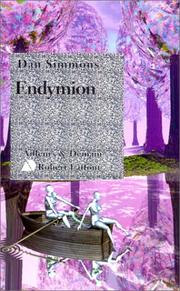
Others: Leaning positiveDan Simmons's Hyperion was an immediate sensation on its first publication in 1989. This staggering multifaceted tale of the far future heralded the conquest of the science fiction field by a man who had already won the World Fantasy Award for his first novel (Song of Kali) and had also published one of the most well-received horror novels in the field, Carrion Comfort. Hyperion went on to win the Hugo Award as Best Novel, and it and its companion volume, The Fall of Hyperion, took their rightful places in the science fiction pantheon of new classics. Now, six years later, Simmons returns to this richly imagined world of technological achievement, excitement, wonder and fear. Endymion is a story about love and memory, triumph and terror--an instant candidate for the field's highest honors.
What made the match, strongest first
Steven Erikson
1998 · 720 pages · 11 reviews
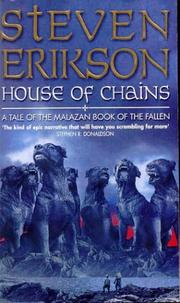
Others: Leaning positiveThe awesome - and acclaimed - fourth instalment in Steven Erikson's epic fantasy sequence THE MALAZAN BOOK OF THE FALLEN.In Northern Genabackis, just before the events recounted in GARDENS OF THE MOON, a raiding party of savage tribal warriors descends from the mountains into the southern flat lands. Their intention is to wreak havoc among the despised lowlanders, but for the one named Karsa Orlong it marks the beginning of what will prove an extraordinary destiny. Some years later, it is the aftermath of the Chain of Dogs. Coltaine, revered commander of the Malazan 7th Army is dead. And now Tavore, elder sister of Ganoes Paran and Adjunct to the Empress, has arrived in the last remaining Malazan stronghold of the Seven Cities to take charge. Untested and new to command, she must hone a small army of twelve thousand soldiers, mostly raw recruits, into a viable fighting force and lead them into battle against the massed hordes of Sha'ik's Whirlwind. Her only hope lies in resurrecting the shattered faith of the few remaining survivors from Coltaine's legendary march, veterans one and all.In distant Raraku, in the heart of the Holy Desert, the seer Sha'ik waits with her rebel army. But waiting is never easy. Her disparate collection of warlords - tribal chiefs, High Mages, a renegade Malazan Fist and his sorceror - is locked in a vicious power struggle that threatens to tear the rebellion apart from within. And Sha'ik herself suffers, haunted by the private knowledge of her nemesis, Tavore...her own sister.So begins the awesome new chapter in Steven Erikson's MALAZAN BOOK OF THE FALLEN - an epic novel of war, intrigue, magic and betrayal from a writer regarded as one of the most original, imaginative and exciting storytellers in fantasy today.
What made the match, strongest first
Cormac McCarthy
2006 · 287 pages · 17 reviews
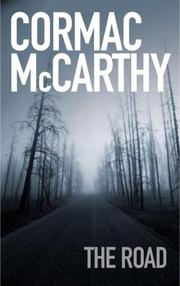
Others: Mostly positiveCormac McCarthy's tenth novel, The Road, is his most harrowing yet deeply personal work. Some unnamed catastrophe has scourged the world to a burnt-out cinder, inhabited by the last remnants of mankind and a very few surviving dogs and fungi. The sky is perpetually shrouded by dust and toxic particulates; the seasons are merely varied intensities of cold and dampness. Bands of cannibals roam the roads and inhabit what few dwellings remain intact in the woods. Through this nightmarish residue of America a haggard father and his young son attempt to flee the oncoming Appalachian winter and head towards the southern coast along carefully chosen back roads. Mummified corpses are their only benign companions, sitting in doorways and automobiles, variously impaled or displayed on pikes and tables and in cake bells, or they rise in frozen poses of horror and agony out of congealed asphalt. The boy and his father hope to avoid the marauders, reach a milder climate, and perhaps locate some remnants of civilization still worthy of that name. They possess only what they can scavenge to eat, and the rags they wear and the heat of their own bodies are all the shelter they have. A pistol with only a few bullets is their only defense besides flight. Before them the father pushes a shopping cart filled with blankets, cans of food and a few other assets, like jars of lamp oil or gasoline siphoned from the tanks of abandoned vehicles—the cart is equipped with a bicycle mirror so that they will not be surprised from behind. Through encounters with other survivors brutal, desperate or pathetic, the father and son are both hardened and sustained by their will, their hard-won survivalist savvy, and most of all by their love for each other. They struggle over mountains, navigate perilous roads and forests reduced to ash and cinders, endure killing cold and freezing rainfall. Passing through charred ghost towns and ransacking abandoned markets for meager provisions, the pair battle to remain hopeful. They seek the most rudimentary sort of salvation. However, in The Road, such redemption as might be permitted by their circumstances depends on the boy’s ability to sustain his own instincts for compassion and empathy in opposition to his father’s insistence upon their mutual self-interest and survival at all physical and moral costs. The Road was the winner of the 2006 Pulitzer Prize for Literature.
What made the match, strongest first
Loved itthis was a really interesting read went down really quick kind of a journalistic prose so it was easily digestible