 Mixed
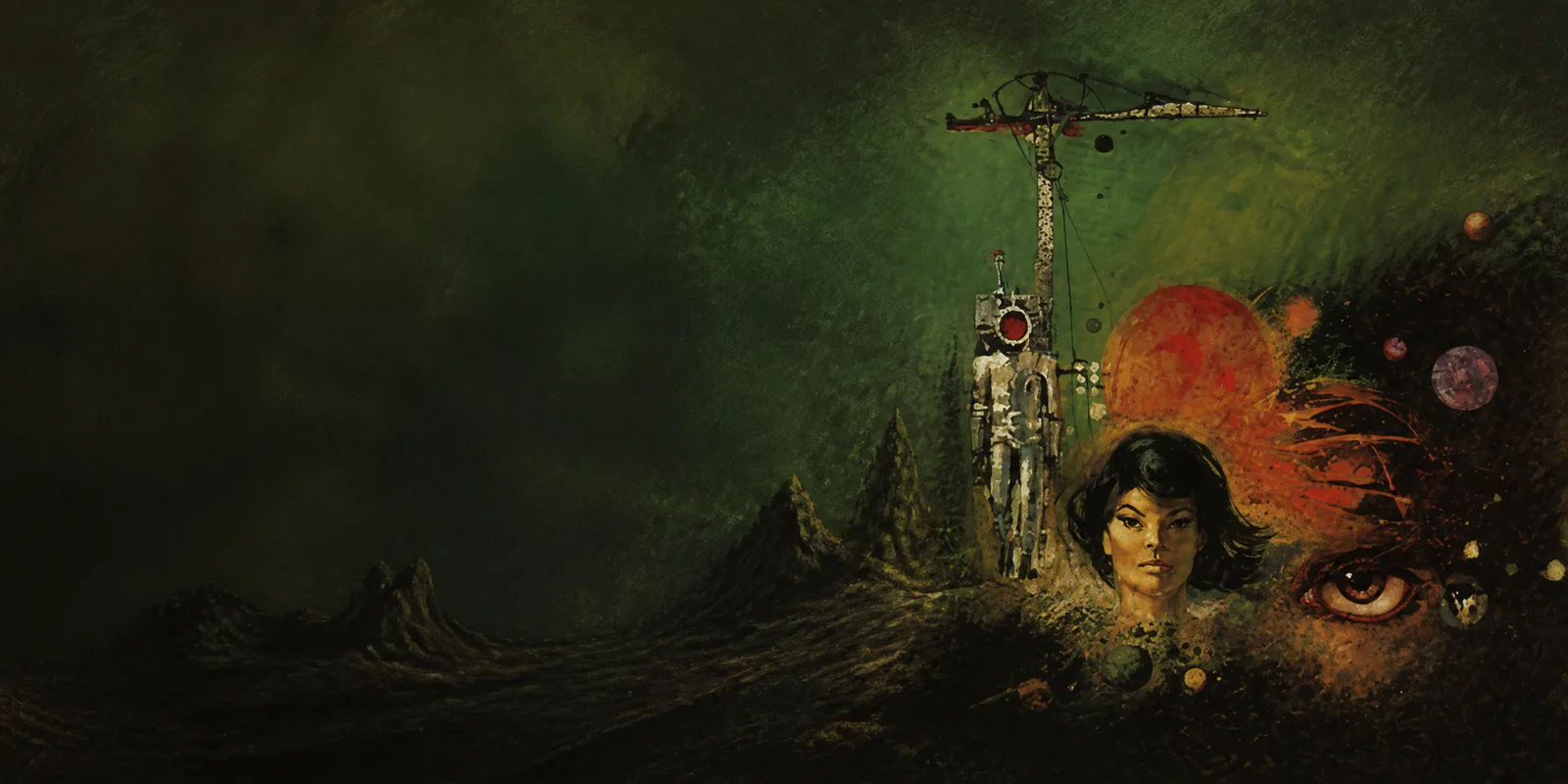
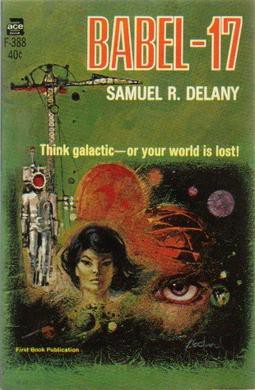
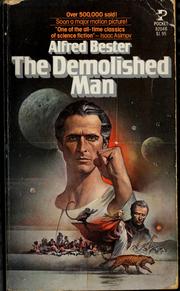
I love the cover. Didn't love the book so much, but I guess it's kind of important.
 Others: Mostly positive
During an interstellar war one side develops a language, Babel-17, that can be used as a weapon. Learning it turns one into an unwilling traitor as it alters perception and thought. This is discovered by the starship captain Rydra Wong. She is recruited to discover how the enemy are infiltrating and sabotaging strategic sites.
Genres: science fiction
Lists: …
Alfred Bester
1951 · 208 pages · 6 reviews
Others: Mostly positiveIn a world in which the police have telepathic powers, how do you get away with murder? Ben Reichs heads a huge 24th century business empire, spanning the solar system. He is also an obsessed, driven man determined to murder a rival. To avoid capture, in a society where murderers can be detected even before they commit their crime, is the greatest challenge of his life.
What made the match, strongest first
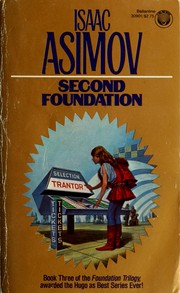
Isaac Asimov
1953 · 226 pages · 3 reviews
 Others: Leaning negative
After years of struggle, the Foundation lay in ruins -- destroyed by the mutant mind power of the Mule. But it was rumored that there was a Second Foundation hidden somewhere at the end of the Galaxy, established to preserve the knowledge of mankind through the long centuries of barbarism. The Mule had failed to find it the first time -- but now he was certain he knew where it lay. The fate of the Foundation rests on young Arkady Darell, only fourteen years old and burdened with a terrible secret. As its scientists girded for a final showdown with the Mule, the survivors of the First Foundation began their desperate search. They too wanted the Second Foundation destroyed... before it destroyed them.
What made the match, strongest first
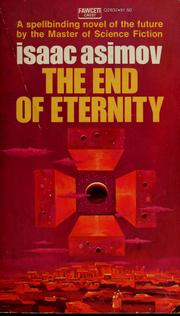
Isaac Asimov
1955 · 192 pages · 2 reviews
Others: MixedThe story of temporal engineers who meta-regulate the history of humanity through the centuries, eliminating risk, adventure, and space travel in the process. One man rebels in order to save the existence of someone he loves, and in the end the time bureaucracy is destroyed for the sake of individuality and human achievement. The theme is the opposite of the Foundation stories, where the central planners and manipulators of humanity always dominate.
What made the match, strongest first
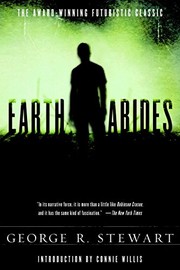
George Rippey Stewart
1949 · 368 pages · 2 reviews
Others: MixedThe story of rebuilding civilization after a plague nearly wipes out the human race.
What made the match, strongest first
Clifford D. Simak
1963 · 210 pages · 7 reviews
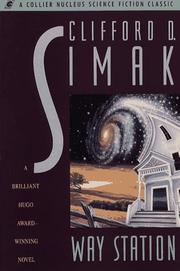
Others: Mostly positiveEnoch Wallace is an ageless hermit, striding across his untended farm as he has done for over a century, still carrying the gun with which he had served in the Civil War. But what his neighbors must never know is that, inside his unchanging house, he meets with a host of unimaginable friends from the farthest stars. More than a hundred years before, an alien named Ulysses had recruited Enoch as the keeper of Earth's only galactic transfer station. Now, as Enoch studies the progress of Earth and tends the tanks where the aliens appear, the charts he made indicate his world is doomed to destruction. His alien friends can only offer help that seems worse than the dreaded disaster. Then he discovers the horror that lies across the galaxy...
What made the match, strongest first
Clifford D. Simak
1952 · 254 pages · 5 reviews
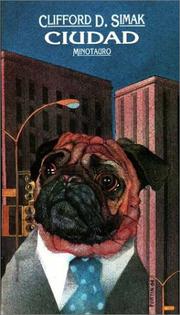
Others: PositiveComment by John Clute: We know better now, of course. But they still entrance us, the old page-turners from the glory days of American SF, half a century or so ago, when the world was full of futures we were never going to have. In the mid-1940s, when he began to publish the episodes that would be assembled as City in 1952, Clifford Simak, a Minneapolis-based journalist and author, could still carry us away with the dream that cars and pollution and even the great cities of the world – "Huddling Place", the title of one of these tales, is his own derisory term for them – would soon be brushed off the map by Progress, leaving nothing behind but tasteful exurbs filled with middle-class nuclear families living the good life, with fishing streams and greenswards sheltering each home from the stormy blast. Fortunately, Simak soon gets past this demented vision of a near-future world saved by technological fixes, a dementia common then to SF writers and gurus and politicians alike, and launches into an astonishingly eventful narrative of the next 10,000 years as seen through the eyes of one family and the immortal robot Jenkins, and all told with a weird pastoral serenity that for a kid like me seemed near to godlike. In its course City touches on almost everything dear to 1940s SF, and to me remembering. Robots. Genetic Engineering. Space. Jupiter. Domed cities. Keeps. Hiveminds. Matter transmission. Telepathy. Parallel worlds. Paranormal empathy. Mutants. Supermen. It's all there, and, thanks to Simak's skilled hand at the wheel, it's all in place: suave, sibylline, swift. The whole is framed as a series of legends told by the uplifted Dogs who have replaced the human race, now gone for ever. They have been bred not to kill. At the end, only Jenkins remains to keep them from learning how to repeat history and die. It all seemed immensely sad and wise then, but fun. It still does.
What made the match, strongest first
MixedI love the cover. Didn't love the book so much, but I guess it's kind of important.
Mixedalso beat here it's a Bizarro Space Opera about the sapier warf hypothesis in linguistics it's got the Delaney color all the like fireworks and weirdo stuff it does get confusing because it's Delaney
Loved itI thought this was great too somewhat old-fashioned in style but then it is well over 50 years old
Loved ita novel called Babel 17 which is about language and gender which is Magnificent
Loved itIt's the first book I read by Delaney, and I really enjoyed it.