
 Loved it
I bought this for one of the courses she taught and it's been an excellent compendium it was a great introduction back then to specifically you know the material culture that preserves mythology
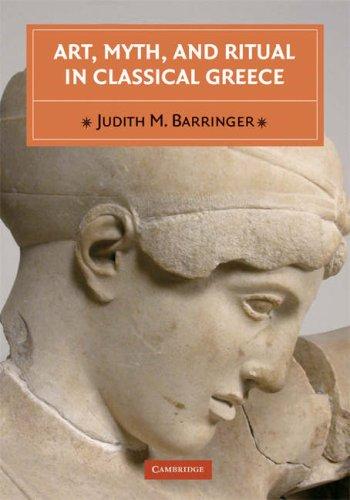
Others: Positive "What do Greek myths mean, and how was their meaning created for the ancient viewer? In Art, Myth, and Ritual in Classical Greece, Judith Barringer considers the use of myth on monuments at several key sites - Olympia, Athens, Delphi, and Trysa - showing that myth was neither randomly selected nor purely decorative. The mythic scenes on these monuments had meaning, the interpretation of which depended on context. Barringer explains how the same myth can possess different meanings and how, in a monumental context, the mythological image relates to the site and often to other monuments surrounding it, which redouble, resonate, or create variations on a theme. The architectural sculpture examined here is discussed in a series of five case studies, which are chronologically arranged and offer a range of physical settings, historical and social circumstances, and interpretive problems. Providing new interpretations of familiar monuments, this volume also offers a comprehensive way of seeing and understanding Greek art and culture as an integrated whole."--Jacket.
Genres: classics, nonfiction
Lists: …
Lowell Edmunds
1990 · 480 pages · 1 review
Others: PositiveSince the first edition of Approaches to Greek Myth as published in 1990, interest in Greek mythology has surged. There was no simple agreement on the subject of "myth" in classical antiquity, and there remains none today. Is myth a narrative or a performance? Can myth be separated from its context? What did myths mean to ancient Greeks and what do they mean today? Here, Lowell Edmunds brings together practitioners of eight of the most important contemporary approaches to the subject. Whether exploring myth from a historical, comparative, or theoretical perspective, each contributor lucidly describes a particular approach, applies it to one or more myths, and reflects on what the approach yields that others do not. Edmunds's new general and chapter-level introductions recontextualize these essays and also touch on recent developments in scholarship in the interpretation of Greek myth. -- from back cover.
What made the match, strongest first
Andrew Dalby
1996 · 144 pages · 1 review
Others: PositiveThe daily life of classical Greece and Rome, although separated from us by 2000 years, can be recreated in almost photographic detail. The Classical Cookbook is the first book of its kind, exploring the daily culture of the Mediterranean through the center of its social life--food and drink.Combining narrative texts and recipes, authors Dalby and Grainger draw on a mass of fascinating resources to describe household life for different social groups and occasions. Each chapter provides a historical outline, with translations of the original recipes followed by versions for the moderncook. The book is illustrated throughout with delightful scenes of food, hunters, and revelers from wall paintings, mosaics, and Greek vases. And the array of delicacies, from Sweet Wine Scones to Chicken Stuffed with Olives to Honey Nut Cake, is sure to tempt any connoisseur.
What made the match, strongest first
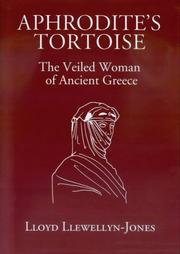
Lloyd Llewellyn-Jones
2003 · 358 pages · 1 review
Others: PositiveGreek women routinely wore the veil. That is the unexpected finding of this major study. The Greeks, rightly credited with the invention of civic openness, are revealed as also part of a more eastern tradition of seclusion. Llewellyn-Jones' work proceeds from literary and, notably, from iconographic evidence. In sculpture and vase painting it demonstrates the presence of the veil, often covering the head, but also more unobtrusively folded back onto the shoulders. This discreet fashion not only gave a priviledged view of the face to the ancient art consumer, but also, incidentally, allowed the veil to escape the notice of traditional modern scholarship.
What made the match, strongest first
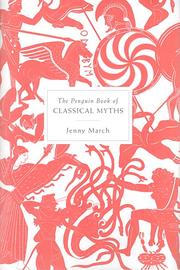
Jennifer R. March
2008 · 590 pages · 1 review
Others: PositiveWith illustrations and maps of legendary Greece and of the constellations, this text is a vivid and colourful guide to the world's most unforgettable myths and legends.
What made the match, strongest first
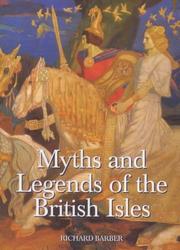
Richard Barber
1999 · 588 pages · 1 review
Others: PositiveTales from the dawn of Christianity to the age of the Plantagenets reveal a mythology in its time as potent as that of the classical world. The British Isles have a long tradition of tales of gods, heroes and marvels, hinting at a mythology once as relevant to the races which settled the islands as the Greek and Roman gods were to the classical world. The tales drawntogether in this book, from a wide range of medieval sources, span the centuries from the dawn of Christianity to the age of the Plantagenets. The Norse gods which peopled the Anglo-Saxon past survive in Beowulf; Cuchulainn, Taliesin and the magician Merlin take shape from Celtic mythology; and saints include Helena who brought a piece of the True Cross to Britain, and Joseph of Arimathea whose staff grew into the Glastonbury thorn. Tales of the British Arthur are followed by legends of later heroes, including Harold, Hereward and Godiva. These figures and many others were part of a familiar national mythology on which Shakespeare drew for Lear, Macbeth and Hamlet, creating the famous versions that are known today. Here the original stories are presented. RICHARD BARBER's other books include and The Knight and Chivalry.
What made the match, strongest first
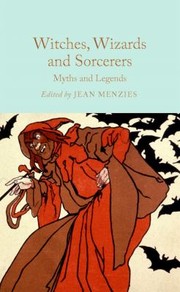
Jean Menzies
2024 · 2 reviews
Others: PositiveThe supernatural figure of the sorcerer, someone with magic powers for both good and evil, features in storytelling and legends all over the world. As shown in this collection of wonderful stories, wicked Witches and revered Wizards have appeared in fairy tales, legends and myths for thousands of years and continue to inspire contemporary fantasy writers.Witches, Wizards and Myths and Legends is part of the Macmillan Collector’s Library; a series of stunning, pocket-sized classics bound in real cloth with gold foiled edges and ribbon markers. These beautiful books make perfect gifts or a treat for any book lover.This lively, carefully chosen collection brings together ancient stories and famous myths, each by a different writer, from a range of cultures and eras. Some of the nineteen stories come from well known names such as Irish poet W. B. Yeats, Andrew Lang and Brothers Grimm as well as some intriguing new discoveries from Poland, Russia, India and much more.
What made the match, strongest first
Loved itI bought this for one of the courses she taught and it's been an excellent compendium it was a great introduction back then to specifically you know the material culture that preserves mythology