
 Loved it
And these are just absolutely stunning. Could not adore them more.
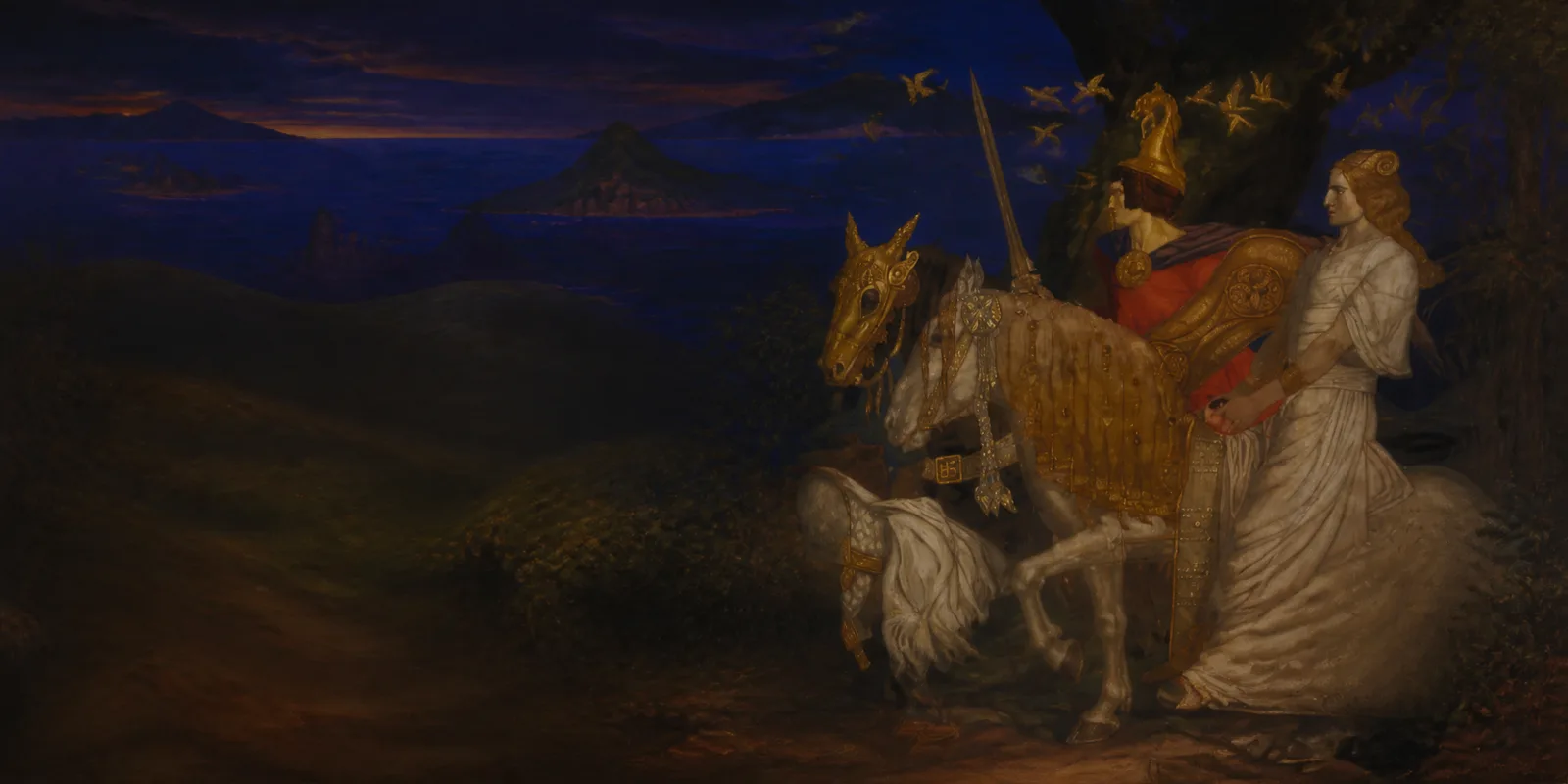
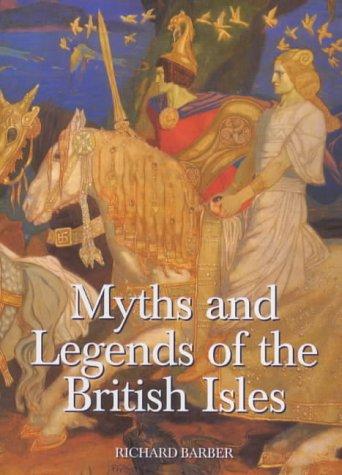
Others: Positive Tales from the dawn of Christianity to the age of the Plantagenets reveal a mythology in its time as potent as that of the classical world. The British Isles have a long tradition of tales of gods, heroes and marvels, hinting at a mythology once as relevant to the races which settled the islands as the Greek and Roman gods were to the classical world. The tales drawntogether in this book, from a wide range of medieval sources, span the centuries from the dawn of Christianity to the age of the Plantagenets. The Norse gods which peopled the Anglo-Saxon past survive in Beowulf; Cuchulainn, Taliesin and the magician Merlin take shape from Celtic mythology; and saints include Helena who brought a piece of the True Cross to Britain, and Joseph of Arimathea whose staff grew into the Glastonbury thorn. Tales of the British Arthur are followed by legends of later heroes, including Harold, Hereward and Godiva. These figures and many others were part of a familiar national mythology on which Shakespeare drew for Lear, Macbeth and Hamlet, creating the famous versions that are known today. Here the original stories are presented. RICHARD BARBER's other books include and The Knight and Chivalry.
Genres: classics, nonfiction
Lists: …
Geoffrey of Monmouth
1973 · 388 pages · 1 review
Others: PositiveCompleted in 1136, The History of the Kings of Britain traces the story of the realm from its supposed foundation by Brutus to the coming of the Saxons some two thousand years later. Vividly portraying legendary and semi-legendary figures such as Lear, Cymbeline, Merlin the magician and the most famous of all British heroes, King Arthur, it is as much myth as it is history and its veracity was questioned by other medieval writers. But Geoffrey of Monmouth's powerful evocation of illustrious men and deeds captured the imagination of subsequent generations, and his influence can be traced through the works of Malory, Shakespeare, Dryden and Tennyson.
What made the match, strongest first
Miranda Aldhouse-Green
2023 · 2 reviews
Others: PositiveA compelling new account of religion in Roman Britain, weaving together the latest archaeological research and a new analysis of ancient literature to illuminate parallels between past and present Two thousand years ago, the Romans sought to absorb into their empire what they regarded as a remote, almost mythical island on the very edge of the known world―Britain. The expeditions of Julius Caesar and the Claudian invasion of 43 CE, up to the traditional end of Roman Britain in the fifth century CE, brought fundamental and lasting changes to the island. Not least among these was a pantheon of new classical deities and religious systems, along with a clutch of exotic eastern cults, including Christianity. But what homegrown deities, cults, and cosmologies did the Romans encounter in Britain, and how did the British react to the changes? Under Roman rule, the old gods and their adherents were challenged, adopted, adapted, absorbed, and reconfigured. Miranda Aldhouse- Green balances literary, archaeological, and iconographic evidence (and scrutinizes the shortcomings of each) to illuminate the complexity of religion and belief in Roman Britain. She examines the two-way traffic of cultural exchange and the interplay between imported and indigenous factions to reveal how this period on the cusp between prehistory and history knew many of the same tensions, ideologies, and issues of identity still relevant today. 110 illustrations
What made the match, strongest first
Lowell Edmunds
1990 · 480 pages · 1 review
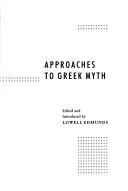
Others: PositiveSince the first edition of Approaches to Greek Myth as published in 1990, interest in Greek mythology has surged. There was no simple agreement on the subject of "myth" in classical antiquity, and there remains none today. Is myth a narrative or a performance? Can myth be separated from its context? What did myths mean to ancient Greeks and what do they mean today? Here, Lowell Edmunds brings together practitioners of eight of the most important contemporary approaches to the subject. Whether exploring myth from a historical, comparative, or theoretical perspective, each contributor lucidly describes a particular approach, applies it to one or more myths, and reflects on what the approach yields that others do not. Edmunds's new general and chapter-level introductions recontextualize these essays and also touch on recent developments in scholarship in the interpretation of Greek myth. -- from back cover.
What made the match, strongest first
Andrew Dalby
1996 · 144 pages · 1 review
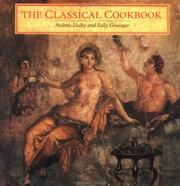
Others: PositiveThe daily life of classical Greece and Rome, although separated from us by 2000 years, can be recreated in almost photographic detail. The Classical Cookbook is the first book of its kind, exploring the daily culture of the Mediterranean through the center of its social life--food and drink.Combining narrative texts and recipes, authors Dalby and Grainger draw on a mass of fascinating resources to describe household life for different social groups and occasions. Each chapter provides a historical outline, with translations of the original recipes followed by versions for the moderncook. The book is illustrated throughout with delightful scenes of food, hunters, and revelers from wall paintings, mosaics, and Greek vases. And the array of delicacies, from Sweet Wine Scones to Chicken Stuffed with Olives to Honey Nut Cake, is sure to tempt any connoisseur.
What made the match, strongest first
Jean Menzies
2024 · 2 reviews
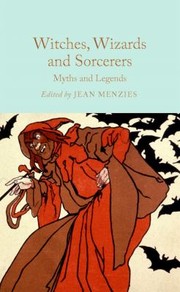
Others: PositiveThe supernatural figure of the sorcerer, someone with magic powers for both good and evil, features in storytelling and legends all over the world. As shown in this collection of wonderful stories, wicked Witches and revered Wizards have appeared in fairy tales, legends and myths for thousands of years and continue to inspire contemporary fantasy writers.Witches, Wizards and Myths and Legends is part of the Macmillan Collector’s Library; a series of stunning, pocket-sized classics bound in real cloth with gold foiled edges and ribbon markers. These beautiful books make perfect gifts or a treat for any book lover.This lively, carefully chosen collection brings together ancient stories and famous myths, each by a different writer, from a range of cultures and eras. Some of the nineteen stories come from well known names such as Irish poet W. B. Yeats, Andrew Lang and Brothers Grimm as well as some intriguing new discoveries from Poland, Russia, India and much more.
What made the match, strongest first
Tim Whitmarsh
2016 · 304 pages · 1 review
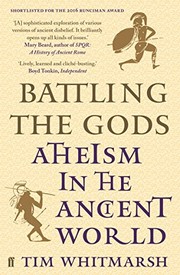
Others: PositiveHow new is atheism? Although adherents and opponents alike today present it as an invention of the European Enlightenment, when the forces of science and secularism broadly challenged those of faith, disbelief in the gods, in fact, originated in a far more remote past. In Battling the Gods, Tim Whitmarsh journeys into the ancient Mediterranean, a world almost unimaginably different from our own, to recover the stories and voices of those who first refused the divinities.Homer’s epic poems of human striving, journeying, and passion were ancient Greece’s only “sacred texts,” but no ancient Greek thought twice about questioning or mocking his stories of the gods. Priests were functionaries rather than sources of moral or cosmological wisdom. The absence of centralized religious authority made for an extraordinary variety of perspectives on sacred matters, from the devotional to the atheos, or “godless.” Whitmarsh explores this kaleidoscopic range of ideas about the gods, focusing on the colorful individuals who challenged their existence. Among these were some of the greatest ancient poets and philosophers and writers, as well as the less well known: Diagoras of Melos, perhaps the first self-professed atheist; Democritus, the first materialist; Socrates, executed for rejecting the gods of the Athenian state; Epicurus and his followers, who thought gods could not intervene in human affairs; the brilliantly mischievous satirist Lucian of Samosata.Before the revolutions of late antiquity, which saw the scriptural religions of Christianity and Islam enforced by imperial might, there were few constraints on belief. Everything changed, however, in the millennium between the appearance of the Homeric poems and Christianity’s establishment as Rome’s state religion in the fourth century AD. As successive Greco-Roman empires grew in size and complexity, and power was increasingly concentrated in central capitals, states sought to impose collective religious adherence, first to cults devoted to individual rulers, and ultimately to monotheism. In this new world, there was no room for outright disbelief: the label “atheist” was used now to demonize anyone who merely disagreed with the orthodoxy—and so it would remain for centuries.As the twenty-first century shapes up into a time of mass information, but also, paradoxically, of collective amnesia concerning the tangled histories of religions, Whitmarsh provides a bracing antidote to our assumptions about the roots of freethinking. By shining a light on atheism’s first thousand years, Battling the Gods offers a timely reminder that nonbelief has a wealth of tradition of its own, and, indeed, its own heroes. From the Hardcover edition.
What made the match, strongest first
Loved itAnd these are just absolutely stunning. Could not adore them more.