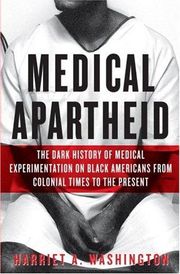

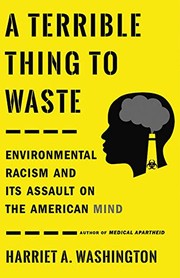
I also think the knowledge of Medical Apartheid being in your head when you read A Terrible Thing To Waste let’s you see this as part of a continuing practice of racism rather than viewing this as a problem in specific areas today it's built into the history of how we think about health.
Non Fiction Books About Medicine
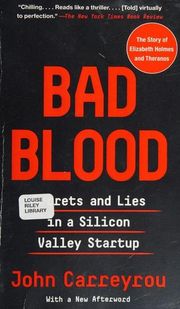
This is Silicon Valley greed mixed into the world of medicine in people's lives and I love it being broken down and uncovered.
this one was one I picked up totally on a whim and hadn't heard nothing about and I didn't think about it as much as maybe I think about some of the other books that are on here
The next one which is which is called Better is quite similar it's looking at that kind of quality improvement of what medicine is and asking ourselves kind of in retrospect where has medicine falling down and where is it not delivering
whilst I really enjoyed this book there is a little bit of a rescue narrative of because she's not psychotic she feels kind of saved in some way
this one is something I feel like there must be more there that surrounds this piece because it felt like some of these ideas are so well developed and I’m not accessing them yet so I’ll look forward to finding out what else sits with this book
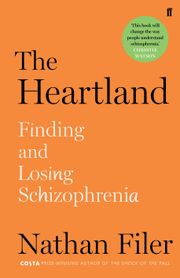
I’m in awe of Esme's ability to bring that onto the page and in a way that is so accessible and understandable for people and I think you know psychosis is one of those just scary words that people can distance themselves from and if you haven't read this one please do
the first one is Complications, he is a surgeon but this is looking at when medicine goes wrong when things break why things break and what that what the implications are for the patient and talk about quality of care.
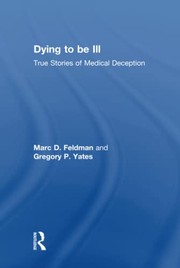
this is looking specifically at Munchausen’s Disorder so that is a recognized mental health disorder wherein the patient knows that they're not physically ill but is undertaking activities to present their lab results or their presentation as someone who is physically unwell
Gargoyles by Harriet Mercer which follows a woman who had previously been very well and had an acute health crisis and we look at again her within this crisis the way that she's managed by it by the systems that she's in and how her body becomes something that is feels quite foreign to her at times
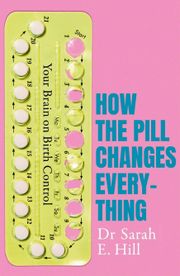
this book had a lot of information that I was not aware of or someone who's taken the pill for a very long time and it's led to me actually I’ve agreed it today agreeing to have a period without the pill so that I can see what my body might do without it
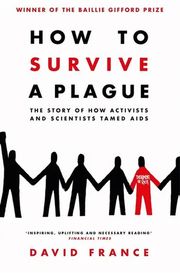
in that this is the story of AIDS, in so many ways it is such a personal story as well as a collective story
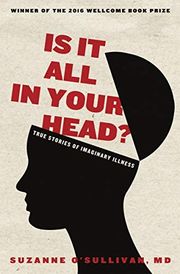
this book despite the title is I think very empathetic towards people who have any kind of conversion disorders who have any kind of illness where there's not a physical root cause that can be identified but there clearly is symptoms and it takes the kind of approach of wanting to treat that person and to make them get better regardless of what that looks like but I found this one really interesting
I really think this book is important and just horrendous but such an important part of understanding the history of medicine that if that's something you're vaguely interested in please add this one to your TBR.
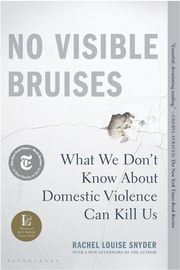
I really enjoyed this book it is a topic that I feel like I haven't seen a lot about it's quite a hard thing to talk about and quite hard to kind of sit and read about domestic violence sort of in big periods
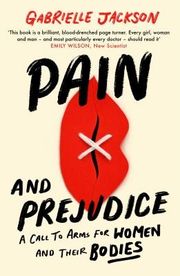
Pain and Prejudice which looks at the way that women again have been treated throughout history but also looks at the more modern sort of health just like discriminations or disparities that exist for women in today's age
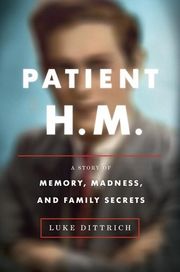
this is kind of that case history approach and again that history of medicine through the eyes of one patient and learning what you can from the things that don't work but also understanding the impact on that individual.
the first is Sanatorium by Abi Palmer and I adored this I said how much I adored this it's about a woman who is coping with the kind of chronic pain that's within her life and the way that she needs to manage herself and her body as that changes in her relationship to body and self, it's brilliant.
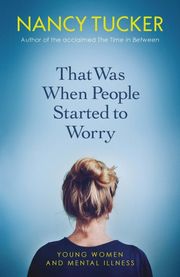
I did find this fairly challenging to read it's very raw it feels almost like you're looking into their therapy sessions but I think if you wanted more overview rather than a deep dive which some of those other ones were That's When People Started To Worry is probably quite a good starting point.
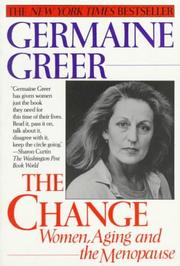
this is looking at the experience of menopause this is something I'd like to read another book on as well as this one particularly but the menopause is something for me and accepting that I’m still a young woman but something that is completely clouded in mystery beyond hot flushes and this was my first kind of glimpse into what that world might look like
Then my favourite of his is this The Emperor of All Maladies this is a book about cancer this is described as a biography of cancer it's talking about our history with cancer the way that we treat it the way that we interact with it
this is a book I read a while ago and I still think about it a lot, it's almost like a mystery that you follow through about how genetics functions how it impacts medicine today
it's an experiment I’ve been interested in a long time for a long time and whilst I don't think this book is perfect it's the only one that I’ve read that looks at that in the kind of detail that I was looking for.
this is looking at his experience of working with patients it's a slightly different view obviously than the actual experiences of the people but I also quite like reading from the perspective of healthcare providers too about their life and their experiences.
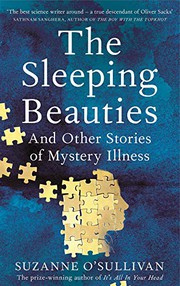
She's a really interesting writer and I think I think you would get quite a lot from this there's a few like illnesses or stories in here that Tom and I still like go back and forth with on each other because I kept telling him the stories as we were reading them
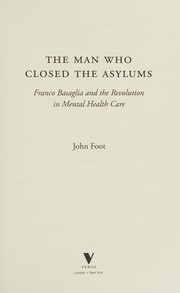
I think about this all the time in terms of today's impacts, I talk about this book all the time and it is quite textbooky but it had as someone who's been in-patient in mental health awards it had such an impact on me that I can't not keep thinking about the work that was described within this book.
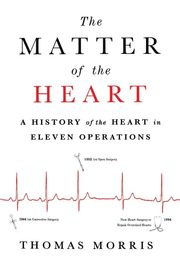
this looks at the heart as a physical organ the history of the heart the operations that have happened to the heart and who's helped develop them the patients that have been affected and has lots of colour imagery of different aspects about the heart I really want more of this
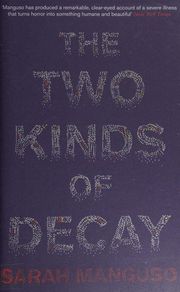
I really like her as an author and I just think the way she writes is really staccato and clean but this is Two Kinds of Decay this looks at her experience with being diagnosed with I think a fairly rare autoimmune condition and again her relationship with body and self and sort of going through this process of becoming someone who was unwell
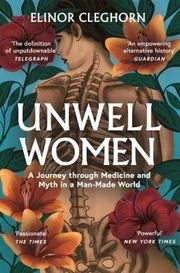
Unwell Women I read recently this is a history of women's pain how it is managed how it's treated and the ways in which sexism and medicine have fed in for as long as we have had sexism.
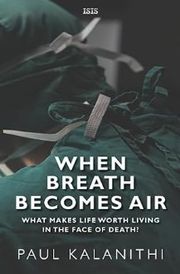
The next one is gorgeous I love this book so much it's When Breath Becomes Air by Paul Kalanithi and this looks at a doctor who becomes a patient and it is heartbreaking and gorgeous.