 Loved it
it was fantastic not only did I learn a lot about genetics and I learned a lot about the history of it the ethics of it that I never even considered before but I was constantly reminded of this book and everything that I read after it
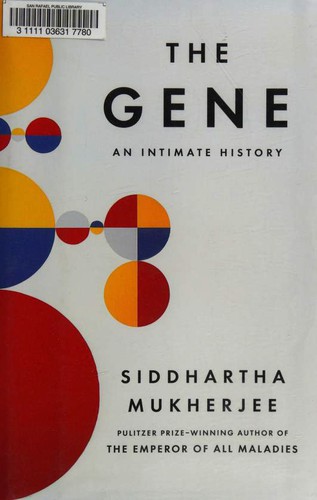
Others: Positive The Gene: An Intimate History is a book written by Siddhartha Mukherjee, an Indian-born American physician and oncologist. It was published on 17 May 2016 by Scribner. The book chronicles the history of the gene and genetic research, all the way from Aristotle to Crick, Watson and Franklin and then the 21st century scientists who mapped the human genome. The book discusses the power of genetics in determining people's well-being and traits. It delves into the personal genetic history of Siddhartha Mukherjee's family, including mental illness. However, it is also a cautionary message toward not letting genetic predispositions define a person or their fate, a mentality that the author says led to the rise of eugenics in history.
Lists: …
Siddhartha Mukherjee
2010 · 571 pages · 3 reviews
 Others: Overwhelmingly positive
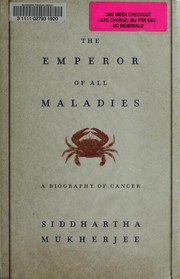
The Emperor of All Maladies: A Biography of Cancer is a book written by Siddhartha Mukherjee, an Indian-born American physician and oncologist. Published on 16 November 2010 by Scribner, it won the 2011 Pulitzer Prize for General Non-Fiction.
Jennifer A. Doudna
2017 · 304 pages · 1 review
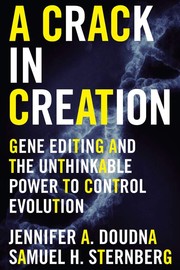
Others: PositiveA trailblazing biologist grapples with her role in the biggest scientific discovery of our era: a cheap, easy way of rewriting genetic code, with nearly limitless promise and peril. Not since the atomic bomb has a technology so alarmed its inventors that they warned the world about its use. Not, that is, until the spring of 2015, when biologist Jennifer Doudna called for a worldwide moratorium on the use of the new gene-editing tool CRISPR—a revolutionary new technology that she helped create—to make heritable changes in human embryos. The cheapest, simplest, most effective way of manipulating DNA ever known, CRISPR may well give us the cure to HIV, genetic diseases, and some cancers, and will help address the world’s hunger crisis. Yet even the tiniest changes to DNA could have myriad, unforeseeable consequences—to say nothing of the ethical and societal repercussions of intentionally mutating embryos to create “better” humans. Writing with fellow researcher Samuel Sternberg, Doudna shares the thrilling story of her discovery, and passionately argues that enormous responsibility comes with the ability to rewrite the code of life. With CRISPR, she shows, we have effectively taken control of evolution. What will we do with this unfathomable power?
What made the match, strongest first
Nessa Carey
2011 · 339 pages · 1 review
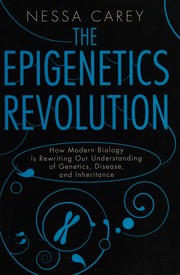
Others: Positive"Epigenetics can potentially revolutionize our understanding of the structure and behavior of biological life on Earth. It explains why mapping an organism's genetic code is not enough to determine how it develops or acts and shows how nurture combines with nature to engineer biological diversity. Surveying the twenty-year history of the field while also highlighting its latest findings and innovations, this volume provides a readily understandable introduction to the foundations of epigenetics. Nessa Carey, a leading epigenetics researcher, connects the field's arguments to such diverse phenomena as how ants and queen bees control their colonies; why tortoiseshell cats are always female; why some plants need cold weather before they can flower; and how our bodies age and develop disease. Reaching beyond biology, epigenetics now informs work on drug addiction, the long-term effects of famine, and the physical and psychological consequences of childhood trauma. Carey concludes with a discussion of the future directions for this research and its ability to improve human health and well-being."--Amazon.com.
What made the match, strongest first
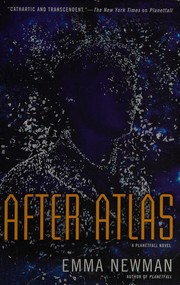
Emma Newman
2016 · 365 pages · 4 reviews
Others: Overwhelmingly positive"Acclaimed author Emma Newman returns to the captivating universe she created in Planetfall with a stunning science fiction mystery where one man's murder is much more than it seems... Govcorp detective Carlos Moreno was only a baby when Atlas left Earth to seek truth among the stars. But in that moment, the course of Carlos's entire life changed. Atlas is what took his mother away; what made his father lose hope; what led Alejandro Casales, leader of the religious cult known as the Circle, to his door. And now, on the eve of the fortieth anniversary of Atlas's departure, it's got something to do why Casales was found dead in his hotel room--and why Carlos is the man in charge of the investigation. To figure out who killed one of the most powerful men on Earth, Carlos is supposed to put aside his personal history. But the deeper he delves into the case, the more he realizes that escaping the past is not so easy. There's more to Casales's death than meets the eye, and something much more sinister to the legacy of Atlas than anyone realizes.."-- "Some truths are better left undiscovered.... Govcorp detective Carlos Moreno was only a baby when Atlas left Earth to seek truth among the stars. But in that moment, the course of Carlos's entire life changed. Atlas is what took his mother away, what made his father lose hope, what led Alejandro Casales, leader of the religious cult known as the Circle, to his door. And now, on the eve of the fortieth anniversary of Atlas's departure, it's got something to do with why Casales was found dead in his hotel room--and why Carlos is the man in charge of the investigation. To figure out who killed one of the most powerful men on Earth, Carlos is supposed to put aside his personal history. But the deeper he delves into the case, the more he realizes that escaping the past isn't so easy. There is more to Casales's death than meets the eye, and something much more sinister to the legacy of Atlas than anyone realizes..."--
What made the match, strongest first
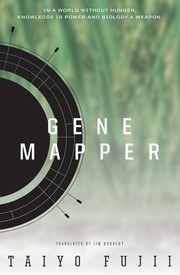
Taiyo Fujii
2015 · 304 pages · 1 review
Others: Positive"In a future where reality has been augmented and biology itself has been hacked, the world's food supply is genetically modified, superior, and vulnerable. When gene mapper Hayashida discovers that his custom rice plant has experienced a dysgenic collapse, he suspects sabotage. Hayashida travels Asia to find himself in Ho Chi Minh City with hired-gun hacker Kitamura at his side--and in mortal danger--as he pushes ever nearer to the heart of the mystery"--
What made the match, strongest first
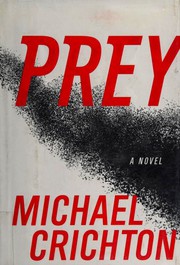
Michael Crichton
2002 · 472 pages · 1 review
 Others: Mixed
Prey is a novel by Michael Crichton, his thirteenth under his own name and twenty-third overall, first published in November 2002, making his first novel of the twenty-first century. The novel serves as a cautionary tale about developments in science and technology; in this case, nanotechnology, genetic engineering, and distributed artificial intelligence. The book features relatively new advances in the computing/scientific community, such as artificial life, emergence (and by extension, complexity), genetic algorithms, and agent-based computing. Fields such as population dynamics and host-parasite coevolution are also at the heart of the novel.
Loved itit was fantastic not only did I learn a lot about genetics and I learned a lot about the history of it the ethics of it that I never even considered before but I was constantly reminded of this book and everything that I read after it