 Mixed
I really enjoyed the opening of this book I think the pros is very VI... unfortunately for me it was quite repetitive... so that's why I ended up being good
 Others: Leaning positive
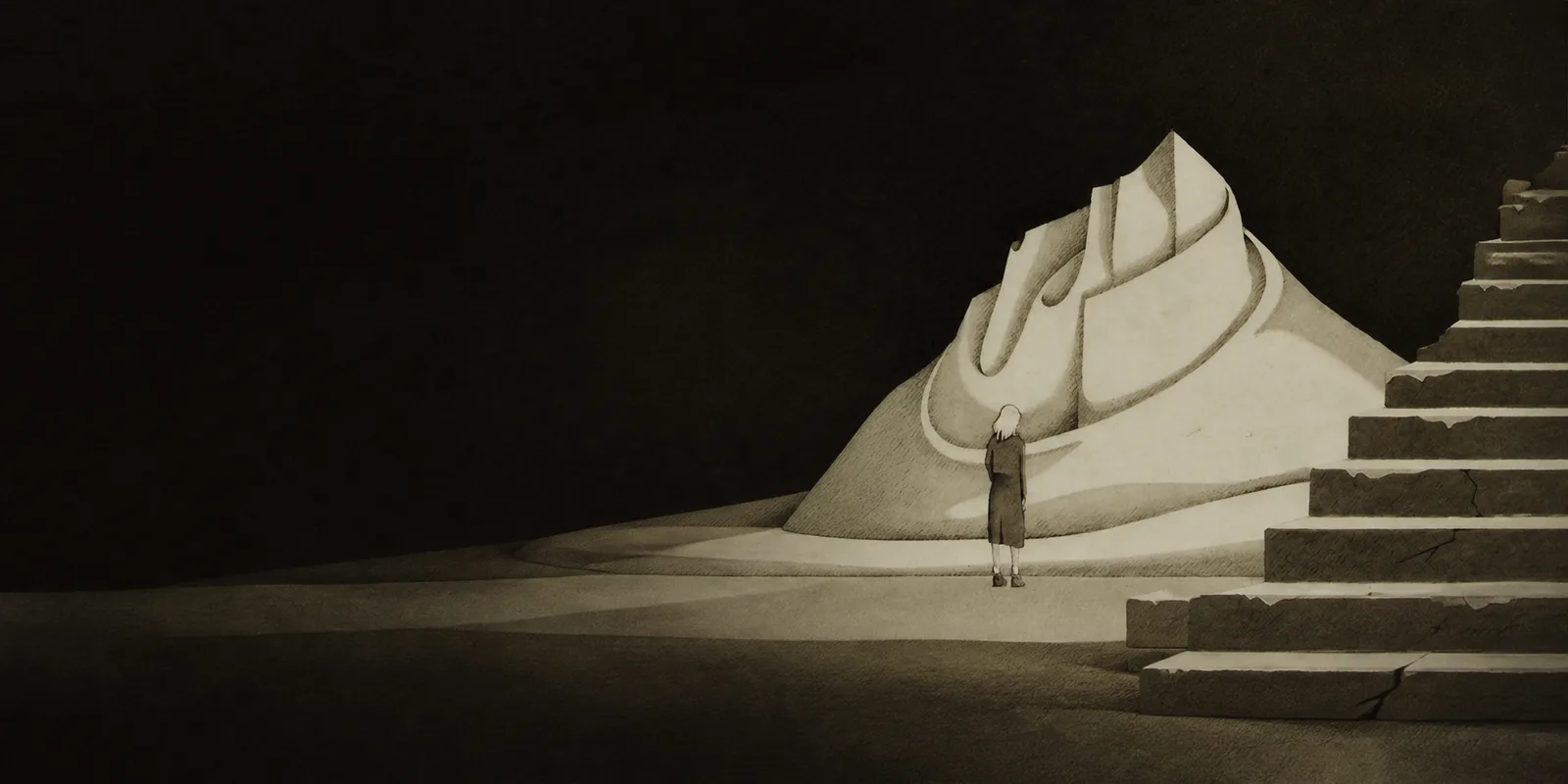
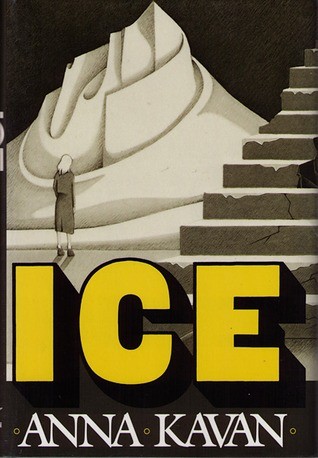
Anna Kavan's books have established her reputation as one of the most talented and original contemporary writers - comparable in stature to Virginia Woolf, Anais Nin and Djuna Barnes. A man's search for an elusive girl takes place against a backdrop of nuclear war resulting in total destruction by walls of ice that overrun the world. Imaginative descriptions of a terrifying dreamlike hunt combine with writing of distinction to form an unusual book. (From the book jacket, first british edition published in 1967).
Genres: science fiction
Lists: …
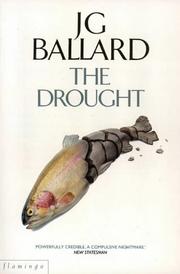
J. G. Ballard
1974 · 176 pages · 1 review
Others: PositiveA 35-year-old architect is driving home from his London office when his car swerves and crashes onto a traffic island lying below three converging motorways. Uninjured, he climbs the embankment to seek help, but no one will stop for him and he is trapped on the island, where he remains.
What made the match, strongest first
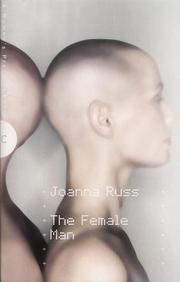
Joanna Russ
1977 · 170 pages · 5 reviews
Others: Positive"A multi-dimensional explosion hurls the starship's few passengers across the galaxies and onto a barren, uncharted planet. With no technical skills and scant supplies, the survivors face a bleak end in an alien world. One brave woman holds the daring answer, but it is the most desperate one possible."--Jacket.
What made the match, strongest first
J. G. Ballard
1965 · 240 pages · 3 reviews
Others: PositiveA key backlist title from the author of Cocaine Nights, Empire of the Sun and Crash, now in PerfectBound e-book.
What made the match, strongest first
Joanna Russ
1975 · 214 pages · 2 reviews
Others: PositiveLiving in an altered past that never saw the end of the Great Depression, Jeannine, a librarian, is waiting to be married. Joanna lives in a different version of reality: she's a 1970s feminist trying to succeed in a man's world. Janet is from Whileaway, a utopian earth where only women exist. And Jael is a warrior with steel teeth and catlike retractable claws, from an earth with separate-and warring-female and male societies. When these four women meet, the results are startling, outrageous, and subversive.
What made the match, strongest first
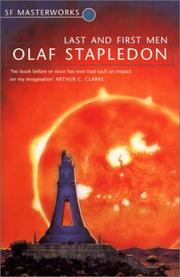
Olaf Stapledon
1930 · 326 pages · 1 review
Others: PositiveOne of the most succinct and accurate renderings of mankind's present state of mind and future progression. It documents the future of man from the start of WW2 and continues until the Sun engulfs the earth, and beyond. Considering this book was first published in 1931, it is remarkable, both in its honesty as regards human nature, and in its phenomenal span. By the time we reach chapter 3 of the 16 in this book, it is already 2300 AD and you feel like you have had the viewpoint of a God. So intense is the writing, that a few pages can take you hours to read and weeks to think about. What a writer, what a visionary. Of particular interest to me was the laconic way he can sum up an entire country's culture and people, and the accuracy of prediction in the first part of the book. Points to note :- All budding politicians should be forced to read this book. It should be part of any politics curriculum. Strikingly accurate and plausible portent of homo sapiens future. Read in the context of 2002, it is easy to see mankind's current folly and the extrapolation of current scientific endeavours. For example, we may achieve global peace ("An Americanised Planet"") for a few millennia, but at the cost of spiritual and intellectual freedom and development. When the "Fall of the First Men" happened, recovery took a very long time :- "Later, when the epidemic was spent, even though civilisation was already in ruins, a concerted effort of devotion might yet have rebuilt it on a more modest plan. But among the First Men, only a minority had ever been capable of wholehearted devotion. The great majority were by nature too much obsessed by private impulses." Sounds like the malaise of current homo sapiens. The theme of continual physical exertion and constant movement of attention as an underpinning for the lifestyles of all successful social inhabitants was beautifully described. This is so true of today's and future societies. No pause for reflection or contemplation. The abandonment of philosophy as a science in the future. The pig-headed clinging to pagan artefact or idol worship, rather than logic. The brilliant description of the "Second Men", with his finer array of senses, and his natural propensity for altruism. The plausible evolution of intelligent life on Mars in 10 million years time, with the subsequent misunderstanding of what is intelligent between Earth and Mars. Man's creation of more evolved forms of man meshes brilliantly with current genetic research. "Time travel" achieved by mental regression into past minds. The future remains unknown. Conclusions :- Apply common sense to the situation as it is now, to work out the best course of action. Never invoke traditions or old beliefs as these threaten your survival in an ever-changing environment. Within the same species, organisms are equally complex biochemically. Therefore, any social structure that imposes arbitrary division within the species, is intrinsically flawed. This is true of current homo sapiens organisation, where certain people are far more highly regarded than others for stupid reasons, and divisions between cliques of people usually erupt in violence, rather than heated debate. Just because someone cannot be convinced of your way of seeing things, doesn't mean that physical coercion becomes necessary. "Live and let live" doesn't mean live it up and let the rest live in squalor. Nothing should be regarded as taboo, save that which is unnatural. There are absolutely no restrictions on what anyone can think. If you can have it, then anyone can have it.
What made the match, strongest first
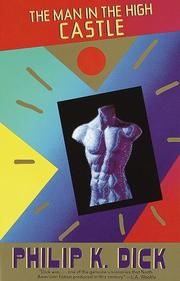
Philip K. Dick
1962 · 249 pages · 12 reviews
Others: Leaning positiveThe Man in the High Castle is an alternate history novel by American writer Philip K. Dick. Published and set in 1962, the novel takes place fifteen years after an alternative ending to World War II, and concerns intrigues between the victorious Axis Powers—primarily, Imperial Japan and Nazi Germany—as they rule over the former United States, as well as daily life under the resulting totalitarian rule. The Man in the High Castle won the Hugo Award for Best Novel in 1963. Beginning in 2015, the book was adapted as a multi-season TV series, with Dick's daughter, Isa Dick Hackett, serving as one of the show's producers. Reported inspirations include Ward Moore's alternate Civil War history, Bring the Jubilee (1953), various classic World War II histories, and the I Ching (referred to in the novel). The novel features a "novel within the novel" comprising an alternate history within this alternate history wherein the Allies defeat the Axis (though in a manner distinct from the actual historical outcome).
What made the match, strongest first
MixedI really enjoyed the opening of this book I think the pros is very VI... unfortunately for me it was quite repetitive... so that's why I ended up being good
Loved itIce by anak cavan s tier ... it's like a float tank hallucination into the hell Universe ... in terms of raw literary merit there's not much in genre lit that can touch this