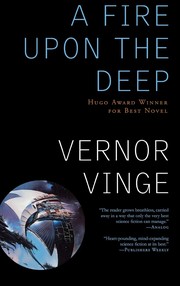
 Loved it
The alien world building is pretty much exceptional. Particularly the Tines, I thought, who were the pack-based dogs that we spoke of.
 SciFiScavenger 14K subscribers · Aug 5, 2026
I've Read A LOT of Space Opera... These Are My Favourites
- Favorite Science Fiction · 22 books · counted in creators' Favorite Science Fiction
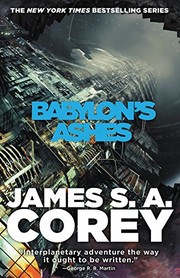
This is a huge character-driven space opera finale to the first six books of the of the Expanse series and before it sort of flips the table on us and jumps forward a number of years for book seven, eight, nine.
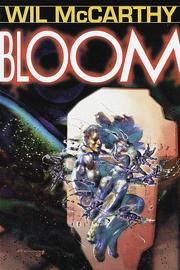
It's an interesting book and if you can get yourself a copy I'd I'd really recommend it.
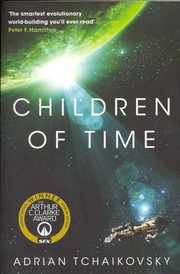
I think Children of Time explores some really interesting questions about intelligence and evolution and cooperation and what it truly means to be human through the contrast between the two very different civilizations.
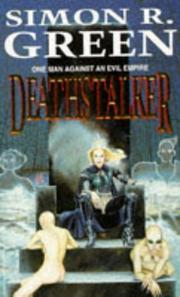
At number 21 of my 20 is Deathstalker by Simon Green, and this is a gloriously over the top space opera that throws in everything from evil empires and star destroyers to cyborgs and mutants and vampires and a cheeky little rebellion.
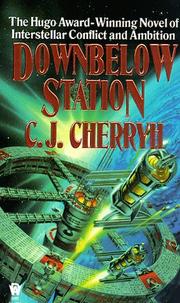
And you can argue that this is a little bit dry, but I thought it was done really well. Really, really good.
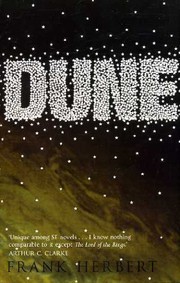
It is fantastic. I've read it a number of times over the years. I loved it then and I still think it holds up really well now.
It's packed with huge ideas and a spectacular final confrontation and explores what happens when even a culture meets something beyond its understanding.
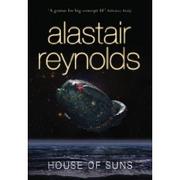
House of Suns is a truly epic-scale space opera with vast timelines, imaginative science, and a thrilling near-light-speed spaceship chase across 60,000 light-years that takes decades.
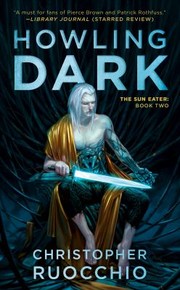
I had an absolute ball reading this and the next book and to a degree the one after that, too.
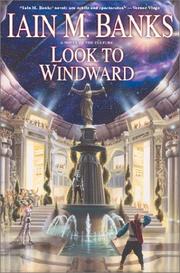
It has a detailed plot, as you might expect from Iain M. Banks, and a vivid depiction of Culture society, particularly life on the orbital, which I really enjoyed.
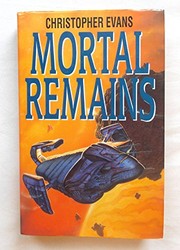
Spaceships in this book are living creatures. And the power play for control of the entire solar system is fleshy and it's organic and it's well worth a read.
Definitely worth a read if you can get a hold of a copy.
With stronger characters and I think richer ideas and a faster pace than Revelation Space, which was maybe a little bit dry, I think this is Reynolds fully hitting his stride in the Revelation Space universe.
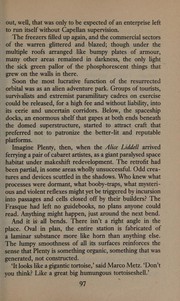
Take Back Plenty was Colin Greenland's attempt to put the fun back into space opera after many years of doom and gloom, particularly following the new wave. The pace is pretty good.
And I think The Algebraist combines some really high-concept space opera with some Banksian ideas about power, freedom, and intelligence. And yes, even better than the Culture novels, if you can imagine that.
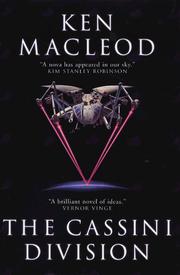
And The Cassini Division, of the of the three that I've read so far, is the most space operatic of the lot. But it's good. I enjoyed it and you don't need I don't think you need to read the other two to for this to make sense.
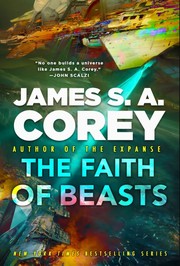
And yes, I think I enjoyed this more than The Expanse, which is quite different to most people's reactions to the first book, at least, where generally people felt that it wasn't anywhere near as good as The Expanse for various different reasons.
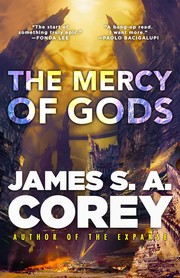
I thought that The Faith of Beasts did a great job building upon what I thought was a pretty promising start to the trilogy in The Mercy of Gods.
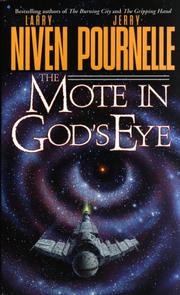
This, I think, is still justifiably a landmark of space opera.
And I'm actually midway through an nth reread of this space opera at the moment and I'm having an absolute blast reading it. Everything that you could want from a dirty great big space opera.
Now, Jamisia is a complicated character. She's got multiple personalities that make her a pretty compelling protagonist, I thought.