
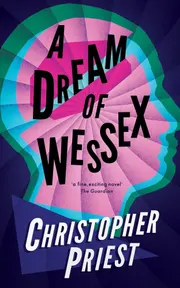
And you know, you were then moving towards becoming in a way part of the renaissance in new British publishing then. and we started to see certain themes pop up in that book like the love triangle comes up in that book and that's something that's this popped in your work several times. And to me, in retrospect, not at that time cuz it was the first book of yours I read, it in retrospect now it seems like a transitional work.

INTERVIEW WITH CHRISTOPHER PRIEST: Part 1 New Wave Science Fiction to 'The Affirmation' Breakthrough
Yeah, it's a great book. I thought it was very funny book, very sort of filthy got a lot of filthy sex in it.
You wouldn't get away with it. No you wouldn't and it's that thing where it's you know it's an exercise in the catastrophe novel as you said from that time and it's got that sort of thrilling sort of gripping new wave anti-structure where time is fractured.
I mean, In Doctor Nea still shakes me even now. The it's I Each time I read it, I like it more.
I remember reading The Affirmation and it having that was the book of yours even I'd read all your work prior to that and that really was for me the one, as you say. It was the thing which I did enjoy your work enormously, particularly Feelgood made a big impression on me. and then when that one came along, that was the game changer for the reader and obviously for you as a writer as well.
Yeah, which is which is great. And it was all about perception and time, wasn't it?
I love The Magus. When I read it, I read it in three sittings and it absolutely blew me away.
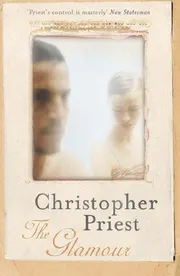
And in that book, to me, you sort of reach that point where you got the perfect imperfect ending, which I found I found the end of that book and of the next book, The Glamour, and as much as I enjoyed every part of both books, and I still do, and I still read them periodically, it's very much the thing where I found the imperfection of the endings perfect.
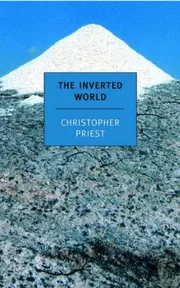
And Inverted World obviously very interesting story and people always love it. And when people say to me, "What's it about?" I say, "Well, it's about a world which is a world which is infinite in a universe which is finite."
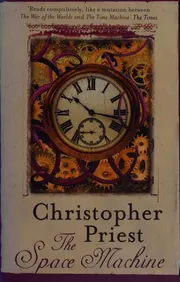
I always judge books on steampunk because they've been a few and they're mostly terrible by whether they mention as precursors the space machine and Mike Moorcock also possible books and if they don't mention your book then I just don't take them seriously you know