 Loved

Perhaps the best recent example of such brush work could be Chris Beckett's Beneath the World of Sea, which I found reminiscent of Swanik, though different in tone due to its Englishness.
LovedPerhaps the best recent example of such brush work could be Chris Beckett's Beneath the World of Sea, which I found reminiscent of Swanik, though different in tone due to its Englishness.
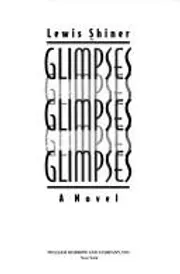
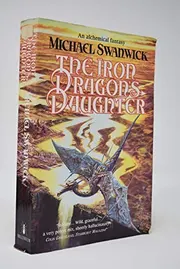
LovedIt being the first of a trilogy, and it was nominated for the World Fantasy Award, but it lost up to Louisis Shiner's Glimpses. Also a fantastic novel.
 Liked
And it soon became clear that his ability with multi-layered narratives spoke of a mythopoetic tendency that of creating fictional mythologies for the purpose of storytelling which has reminded some critics of Gene Wolf.
LikedIt may only be 100 pages long but it packs a punch the devotees of nearest future hard SF will really enjoy.
LikedI agonized about whether I should include Dan Simmons Hyperion, which I personally liked a lot, and by that point, it had pretty much been canonized.
LikedIt's one of the most realistic expressions of post-nuclear SF I've read. It has no fat on it coming in at only 214 pages and while not front rank suggests the greatness to come in the manner that folk beliefs and superstition arise in the wake of the meltdown.
LovedIt's a really wonderful book. The feeling of lushness and color really comes through. And as I say, the beauty of this sort of book is that it is such an easy read despite its ambiguities.
LovedThat's the opening sentence of this remarkable hybrid of steampunk and dystopian fantasy. And it provides readers with an immediate taste of the dark imaginers to come.
LovedThis isn't clunky worldbuilding. It's an adept evocation of a culture which never ever feels labored.