Loved
It'll really make you want to sharpen and refine your literary lenses, your toolkits, your range of vocabulary. It's very inspiring in that way if you are a voracious reader.
LovedIt'll really make you want to sharpen and refine your literary lenses, your toolkits, your range of vocabulary. It's very inspiring in that way if you are a voracious reader.
 Liked
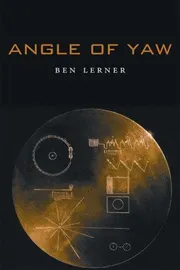
this one contains his second, the angle of yaw, it's called, which is also very good. It's mostly prose poems.
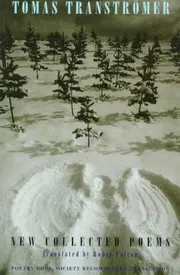
LovedThere is despair in these poems, but also humor, surprisingly, and very rigorous thought and expression. Important volume for me and one that I will keep rereading all of my life.
LovedSo, it's very unsettling, but it's also surprisingly fluid and accessible in the that it's written. It you shouldn't be put off by the subject matter because it's it's quite engrossing and addictive really. You just can't put it down.
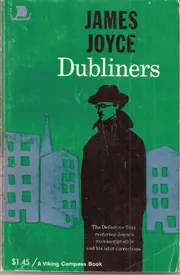
LovedIt's a very fitting end to a work of genius, really. Dubliners holds a very special place in my personal canon.
LovedBut so electric, opalescent, and multi-faceted, and gorgeous, gorgeous novella, the best kind of novella. Not a sentence, not a word wasted.
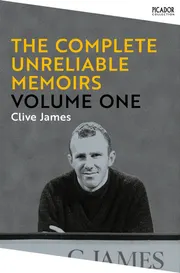
LikedThe second and third memoirs included here detail his travel his immigration really to England his penniless years as a kind of pretentious young artist hungry for success and to find his voice in London. A lot of adventure and misadventure and then the third volume is he has received a scholarship to Cambridge and continues the hullabaloo and carousing while at the same time building the somewhat rickety foundations of his brilliant career.
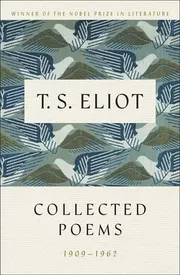
LovedThe Wasteland is just this prophetic sort of anti-epic, Hollow Men, the Four Quartets, which is his later collection, razor sharp and just I feel like amplifies and modulates your conscious perception of the world and of society.
LovedGreat Expectations is just a few notches above that in terms of literary mastery. it's a very heart-wrenching, but ultimately lovable story of Pip and his friends as we follow his vicissitudes, the troubles and torments of his life, just how to navigate a world full of people with bad motives, bad actors, and selfish behavior, and how to sort of maintain sunniness and optimism and sort of find a way to create a life that is commendable in spite of the viciousness of the world.
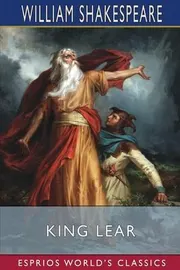
LovedKing Lear is disturbing, stormy. There is electricity in the air. There's a tangible lurking, brooding madness.
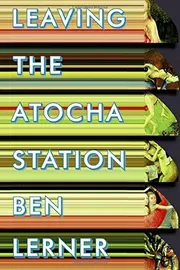
LovedIt is dorky and awkward and hilarious. It's about a young poet who goes young and , talented poet who goes to , Madrid on a scholarship and fritters away his scholarship money and his research time by getting high and wandering around the city, you know, draped in anxiety and self-doubt, , but asking very pertinent questions about meaning-making, about the impact of art, about poetry, the value of poetry, and aesthetic experience in contemporary culture, about terrorism, about American culture and its impact on the continents, fumbling with language issues.
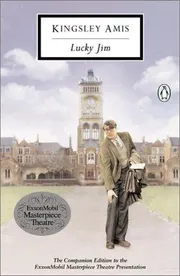
LovedIn 33rd place, Kingsley Amis and Lucky Jim, one of the funniest works of literature ever written. it is disarmingly funny.
LikedA lot of adventure and misadventure and then the third volume is he has received a scholarship to Cambridge and continues the hullabaloo and carousing while at the same time building the somewhat rickety foundations of his brilliant career. The first installment of these three is one of my favorite memoirs ever written.
 Mixed
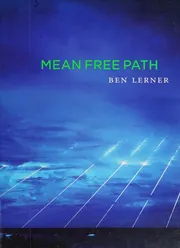
and then the third collection is very experimental and sort of fragmented and abstruse and quite formidable in its difficulty. It doesn't really let you in. It's called Mean Free Path and you know, I prefer the first two, but just I think one of the best living poets.
LovedThe verisimilitude that he imbues into those flights of imagination is something that very few artists can achieve and he does it time and again.
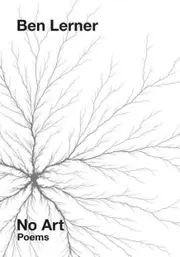
LovedThis is a collection of his first three poetry books. it's called No Art.
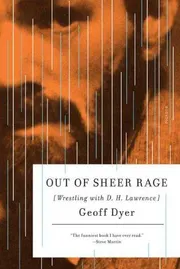
LovedAnd this is my favorite of his works, and like I said, my favorite critical biography. And this is a biography of D. H. Lawrence.
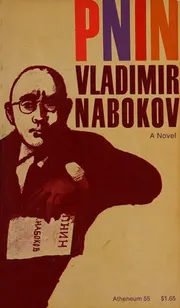
LovedIt's not a regular campus novel it's got that Nabokovian claws and fangs that are hidden between the lines of the text but always a shadow of malevolence that I don't I don't want to give away the ending but it's that unreliableness of narration that casts doubts on all of the goings-on of the story and adds layers of complexity and intricacy that are unparalleled in fiction writing in my opinion.
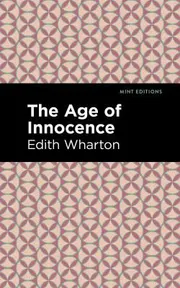
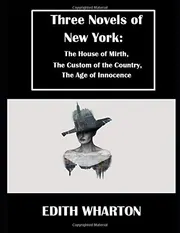
LovedThe Age of Innocence is probably her most well-known novel and it's it's so stylish and delicately wrote.
LovedThis is an omnibus with three of his memoirs starting with the eponymous unreliable memoirs. The second one is called Falling Towards England and the third one is May Week Was in June, bit of a clunky title.
MixedThe Custom of the Country, I think, is a little bit more didactic and a bit more of a caricature and it's got a bit more venom in it, which I think warps and misshapes some of the characters out of balance, but still Edith Wharton, Three Novels of New York, this is a is a cherished volume in my library.
LovedI reread this at the end of last year, , after about a decade since my first reading and oh, it was just worth every moment of rereading. This is just the ultimate encapsulation, crystallization of the Jazz Age, the 1920s, that dazzle and opulence and naivety of that time, egotistical obsession with the bright, shiny, new toys and the kind of murky, unscrupulous nature of that wealth and where it was coming from, clairvoyant in its predictions of economic failure, of moral bankruptcy, and of the shallowness of popular culture, but just absolutely glowing and vivid and supercharged with desire and jealousy and music and wastefulness and it's so poetic and so marvelous. I just absolutely love The Great Gatsby.
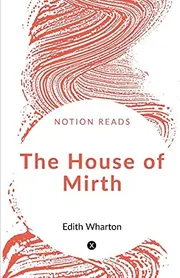
Lovedthe best of these is The House of Mirth. Lily Bart is just really one of a kind heroine. Lingers in your bloodstream for I think forever, but certainly for a long time after reading that one.
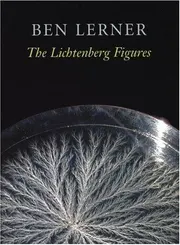
Lovedhis first book is called the Lichtenberg figures, and it's a sonnet sequence that completely re-imagines the sonnet form and the tradition into kind of contemporary American discourse, and I've reread those poems countless times, and in different settings, mostly alone, of course, but also with a good friend of mine. We read them aloud, and that's when it really when I discovered the originality of Lerner's humor.
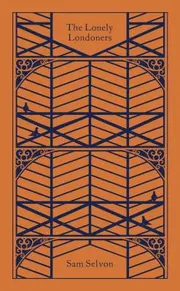
LovedSelvon does a marvelous job of putting us in their shoes and it's jocund and jokey at times, at other times mortifying and infuriating the way that they are treated, but there's also a pervading warmth and indomitable spirit of a lot of these characters to you know, resist misery and resist depression and carve out a space for themselves in London.
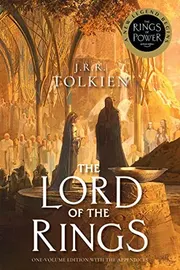
LovedI'm not an enormous aficionado of fantasy, but I love this work. I'm happy that it's in my list.
LovedThe Wasteland is just this prophetic sort of anti-epic, Hollow Men, the Four Quartets, which is his later collection, razor sharp and just I feel like amplifies and modulates your conscious perception of the world and of society.
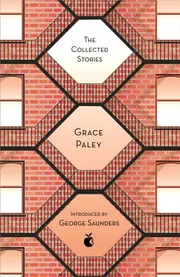
LovedSpeakers or the narrators or at least the, you know, the heroes and heroines of these stories are continually unfolding layers of perception and subjectivity that are so enticing, you just want to come back and dwell in these pages and feel the shimmer and music of their voices in your head.
LovedShe wrote with such candor and charm and wit, such unique humor about everyday struggling individuals often in New York or in small American towns often from the Jewish perspective and she really crystallizes that individual struggle against the social norms of the day and the struggles to pay the bills and to make sense of the world, you know, in the wake of World War II, these unspeakable atrocities that happened to, you know, the parents and the grandparents of the heroes and heroines of these stories.
LovedThis is Wharton at the peak of her powers, unparalleled psychological insights, socioeconomic details that are so endlessly unfolding in their implications about human nature.
LovedIt's wildly funny and charming and adrenaline-fueled and visceral and it's very endearing. It's an exultant retelling of childhood in most relentless and carefree form.