 Loved
I'd also especially recommend Gloriana or the revolution of 1900 by Lady Florence Di and the Beth book by Sarah Grand
LovedI'd also especially recommend Gloriana or the revolution of 1900 by Lady Florence Di and the Beth book by Sarah Grand
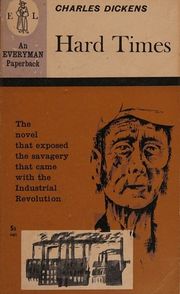
Lovedin hard times Dickens is really worried about like not just the industrialization of the economy but the industrialization of the Mind the industrialization of the Soul you know Dickens was concerned that an increasing focus on Machinery meant treating people like machines and if you treat people like machines do they become like machines and how terrifying is that and that stuff is really fascinating
 Liked
so throughout Victorian literature you can see disabled women who step outside of gender norms and because they are not having a kind of conventional life in one sense they actually end up having an unconventional life in a lot of different ways in a way that is really interesting to look at in terms of gender in 19th century literature so for example you have a character like Olive in din mull C's novel Olive who has scoliosis cover of the spine and she is told from a young age that because of this noral want to marry her she's never going to get married and have children as Victorian women are expected to do and therefore she becomes an artist
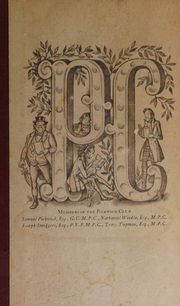
LovedDickens obviously became much more interested in gender and gender relations as he got older and in his later novels you can see some really interesting departures from traditional masculinity and femininity and you can see some really interesting characters who are much more complicated you can see a lot more interesting female characters you know some critics say that Dickens can't write women and I feel like if you read the pap papers you would think that's true but if you read our mutual friend I'm not sure you would Lizzy hexen is a very complicated character
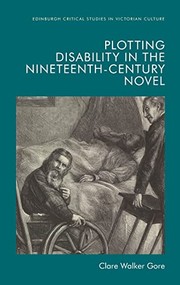
Lovedsince then I also read this fantastic book plotting disability in the 19th century novel by CLA wug Gore which anyone interested in disability in 19th century that sure should absolutely read it's a fantastic book
LovedI'd also especially recommend Gloriana or the revolution of 1900 by Lady Florence Di and the Beth book by Sarah Grand
 Mixed
Dickens obviously became much more interested in gender and gender relations as he got older and in his later novels you can see some really interesting departures from traditional masculinity and femininity and you can see some really interesting characters who are much more complicated you can see a lot more interesting female characters you know some critics say that Dickens can't write women and I feel like if you read the pap papers you would think that's true but if you read our mutual friend I'm not sure you would