
It's very much a book that has at its heart the message: let's all be strong, independent women, with like a footnote of: let's all be strong, independent women, so men will like us more - so I found that slightly frustrating, but in general, it was quite a good read, so I would still recommend it.

Victober 2023 | Announcement and Recommendations [CC]
So, first, I wanted to mention A Woman of No Importance by Oscar Wilde, which is about the relationship between a mother and her son and what happens when he finds out more about his mother's past. It's a really, really fantastic play and definitely one that I would argue fits into the New Woman movement.
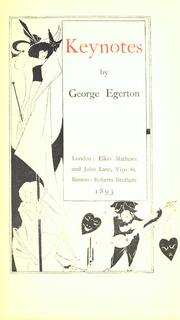
And all of George Edgerton's short stories very much engage with the New Woman movement and sort of limitations on women at the time. A really, really interesting read - another thing I read for Victober last year.
Or you could read Esther Waters by George Moore from 1894, the tale of a servant girl who ends up pregnant and her efforts to support herself and her child.
It's been one of my favourite books of the year so far, and it's a fantastic book for really like combining fantastic interesting radical political thought with a really good like sensational plot. I really, really enjoyed it.
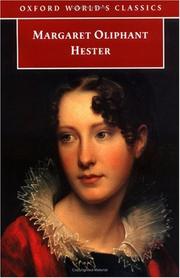
Or you could read Hester by Margaret Oliphant from 1883, the tale of a young woman called Hester who is bored and dissatisfied with her life and comes into a little bit of conflict with an older relative of hers, a woman called Miss Catherine who runs a bank. Isn't that cool? Hester is fantastic.
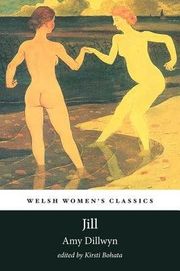
Jill is a fantastic novel from 1884, which tells the story of an upper-class young woman who runs away from her family home and decides to become a servant, because she wants something different from her life. Jill is very much one of those characters who challenges all of the ideas about Victorian womanhood, and it's just a fantastic book - I really, really recommend Jill.
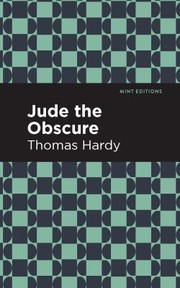
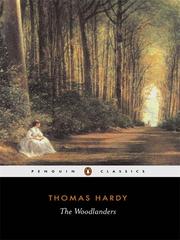
And these are both fantastic reads. You should go into them expecting a healthy dollop of sadness, but I highly recommend Thomas Hardy's books, and these two are two of my absolute favourites.
And all of George Edgerton's short stories very much engage with the New Woman movement and sort of limitations on women at the time. A really, really interesting read - another thing I read for Victober last year.
You could read Mrs Warren's Profession by George Bernard Shaw from 1893, which is a play about the kind of tension between a mother and her daughter about the mother's profession.
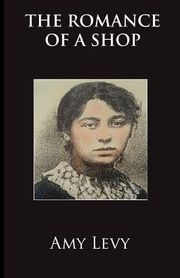
Or you could read The Romance of a Shop by Amy Levy from 1888, which is a novel about a group of sisters who, after the death of their father, decide to open a photography shop in order to support themselves financially. A really fantastic read.
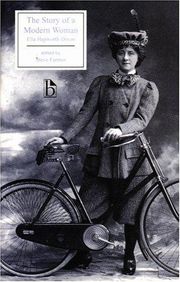
The Story of a Modern Woman by Ella Hepworth Dixon from 1894, which tells a story of a young woman who, after the death of her father, is trying to support herself first as an artist and later as a writer. It's a really interesting book, another one I'd really recommend.
This is one of those books that I found absolutely fascinating and quite frustrating, but it was still kind of recommended out of interest, and it's quite an interesting book to have a look at in terms of like how far the New Woman movement could go, but also, like, the limitations of this movement at this point in time. Yeah, still a really interesting read.
And these are both fantastic reads. You should go into them expecting a healthy dollop of sadness, but I highly recommend Thomas Hardy's books, and these two are two of my absolute favourites.
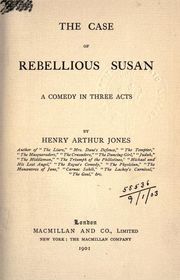
Then I also wanted to recommend The Case of Rebellious Susan by Henry Arthur Jones, from 1894, a play about a woman whose husband has an affair and she thinks, well, if he's had an affair, why can't I have an affair? And it's about what happens then.
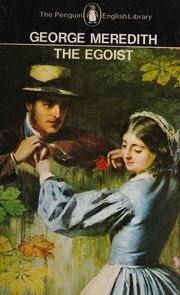
The Egoist is about a young woman who gets engaged, and then shortly after her engagement, discovers that maybe she doesn't really want to marry this man after all, and it's about her efforts to like disentangle herself from the engagement and how hard that is. But I think it could count for this challenge. And it's just a really fantastic book, one I highly recommend.
This is a book from 1893, and it is truly fantastic. I love it very, very much, and this is still in print and pretty easy to get hold of. And I really, really recommend it.
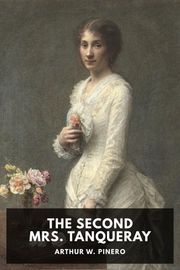
Or you could read The Second Mrs Tanqueray by Arthur Wing Pinero, from 1892, which is a play about a man who decides to take as his second wife a woman whose reputation is very much dubious, and everything kind of goes on from there.
This is a massive favourite of mine. I love it so much. This is my joint favourite novel by Anthony Trollope, who is one of my favourite novelists.