
 Loved it
once you do manage to get through the surface it is truly brilliant and also one of the most like powerful and interesting explorations of gender and gender power dynamics within the victorian period
Review 1 of 3
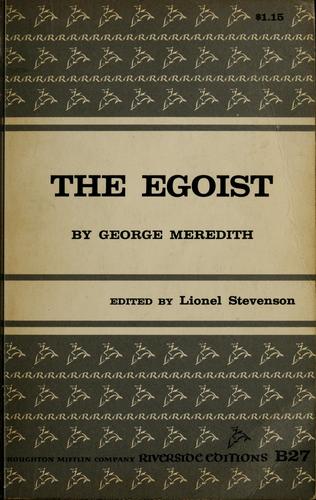
Others: Positive Presents the text of George Meredith's classic satirical novel along with critical essays by Robert Mayo, Virginia Woolf, and others, textual notes, and background essays by the author.
Lists: …
Charlotte Brontë
1853 · 540 pages · 9 reviews
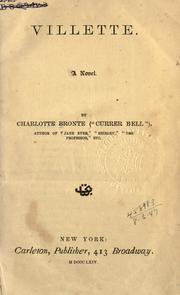
Others: Leaning positiveIn time for the 200th anniversary of her birth, a Penguin Hardcover Classics edition of the book many believe to be Charlotte Brontë's crowning achievement. With neither friends nor family, Lucy Snowe sets sail from England to find employment in a girls' boarding school in the small town of Villette. There she struggles to retain her self-possession in the face of unruly pupils, an initially suspicious headmaster, and her own complex feelings, first for the school's English doctor and then for the dictatorial professor Paul Emmanuel. Drawing on her own deeply unhappy experiences as a governess in Brussels, Charlotte Brontë's last and most autobiographical novel is a powerfully moving study of isolation and the pain of unrequited love. For more than seventy years, Penguin has been the leading publisher of classic literature in the English-speaking world. With more than 1,700 titles, Penguin Classics represents a global bookshelf of the best works throughout history and across genres and disciplines. Readers trust the series to provide authoritative texts enhanced by introductions and notes by distinguished scholars and contemporary authors, as well as up-to-date translations by award-winning translators.
What made the match, strongest first
Anthony Trollope
1800 · 551 pages · 3 reviews
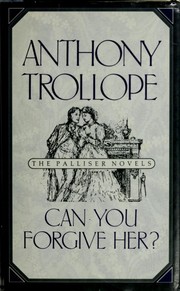
Others: PositiveThe Palliser Novels, book 1: Can You Forgive Her? Alice Vavasor cannot decide whether to marry her ambitious but violent cousin George or the upright and gentlemanly John Grey - and finds herself accepting and rejecting each of them in turn. Increasingly confused about her own feelings and unable to forgive herself for such vacillation, her situation is contrasted with that of her friend Lady Glencora - forced to marry the rising politician Plantagenet Palliser in order to prevent the worthless Burgo Fitzgerald from wasting her vast fortune. In asking his readers to pardon Alice for her transgression of the Victorian moral code, Trollope created a telling and wide-ranging account of the social world of his day.
What made the match, strongest first
Elizabeth Gaskell
1853 · 254 pages · 2 reviews
 Others: Overwhelmingly positive
Cranford was first serialized in Charles Dickens’ magazine Household Words between 1851 and 1853. The structureless nature of the stories, and the fact that Gaskell was busy writing her novel Ruth at the time the Cranford shorts were being published, suggests that she didn’t initially plan for Cranford to be a cohesive novel. The short vignettes follow the activities of the society in the fictional small English country town of Cranford. Gaskell drew from her own childhood in Knutsford to imbue her settings and characters with a nostalgic quality in a time when the societies and styles portrayed were already going out of fashion. Though not especially popular at the time of publication, Cranford has since gained an immense following, including at least three television adaptations.
What made the match, strongest first
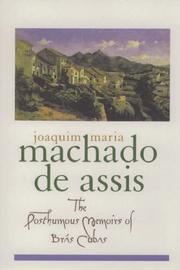
Machado de Assis
1881 · 227 pages · 2 reviews
Others: Overwhelmingly positiveMemórias póstumas de Brás Cubas é um romance escrito por Machado de Assis, desenvolvido em princípio como folhetim, de março a dezembro de 1880, na Revista Brasileira, para, no ano seguinte, ser publicado como livro, pela então Tipografia Nacional como Memorias Posthumas de Braz Cubas. O livro tem como marcas um tom cáustico e novo estilo na obra de Machado de Assis, bem como audácia e inovação temática no cenário literário nacional, que o fez receber, à época, resenhas estranhadas. Confessando adotar a "forma livre" de Laurence Sterne em seu Tristram Shandy (1759–67), ou de Xavier de Maistre, em Memórias Póstumas rompe com a narração linear e objetivista de autores proeminentes da época, como Flaubert e Zola, para retratar o Rio de Janeiro e sua época em geral com pessimismo, ironia e indiferença — um dos fatores que fizeram com que fosse amplamente considerada a obra que iniciou o Realismo no Brasil, ainda que com elementos livres e próprios a Machado de Assis. — Wikipedia (CC BY-SA 4.0)
What made the match, strongest first
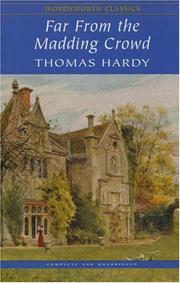
Thomas Hardy
1874 · 447 pages · 7 reviews
Others: Overwhelmingly positiveIndependent and spirited Bathsheba Everdene has come to Weatherbury to take up her position as a farmer on the largest estate in the area. Her bold presence draws three very different suitors: the gentleman-farmer Boldwood, soldier-seducer Sergeant Troy and the devoted shepherd Gabriel Oak. Each, in contrasting ways, unsettles her decisions and complicates her life, and tragedy ensues, threatening the stability of the whole community. The first of his works set in the fictional county of Wessex, Hardy's novel of swift passion and slow courtship is imbued with his evocative descriptions of rural life and landscapes, and with unflinching honesty about sexual relationships.
What made the match, strongest first
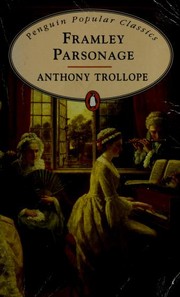
Anthony Trollope
1861 · 532 pages · 3 reviews
Others: PositiveThe Chronicles of Barsetshire, Book 4: Framley Parsonage When young Mark Robarts was leaving college, his father might well declare that all men began to say all good things to him, and to extol his fortune in that he had a son blessed with an excellent disposition. This father was a physician living at Exeter. He was a gentleman possessed of no private means, but enjoying a lucrative practice, which had enabled him to maintain and educate a family with all the advantages which money can give in this country.
What made the match, strongest first
Loved itonce you do manage to get through the surface it is truly brilliant and also one of the most like powerful and interesting explorations of gender and gender power dynamics within the victorian period