
 Loved it
this book really centers in on those women and it was such an incredible reading experience because there was women that i had actually heard of but never in this context
Review 1 of 2
Others: Positive "In February 1900 a group of men representing trade unionists, socialists, Fabians and Marxists gathered in London to make another attempt at establishing an organisation capable of getting working-class men elected to Parliament. The body they set up was the Labour Representation Committee; six years later when 29 of its candidates were elected to the House of Commons it changed its name to the Labour Party. No women took part in that first meeting, but several watched from the public gallery. Amongst them was Isabella Ford, an active socialist and trade unionist who would have been familiar to most of the men assembled below. She had been asked by her friend, Millicent Fawcett, to attend and report back on what happened. Millicent was the President of the National Union of Women's Suffrage Societies, and Isabella had been involved with the suffrage movement for a long time. A few years later she would become the first woman to speak at a Labour Party conference, moving a resolution on votes for women but, at the Party's inception in 1900, she and every other woman in the hall was silent. Throughout Labour's history, even in its earliest years, women were present in the room, but they were not always recorded or remembered. They came from many different backgrounds and they worked for the causes they believed in as organisers, campaigners, negotiators, polemicists, public speakers and leaders. They took on the vested interests of their time; sometimes they won. Yet the vast majority of them have been forgotten by the Labour movement that they helped to found. Even Margaret Bondfield, who became Britain's first woman cabinet minister, often barely merits a footnote. Women made real and substantial contributions to Labour's earliest years and had a significant impact on the Party's ability to attract and maintain women's votes after World War I. In addition to Margaret and Isabella, in many of the rooms in which the Labour Party found its feet, remarkable women wait to be rediscovered. This book tells their story."--Bloomsbury Publishing.
Lists: …
Angela Y. Davis
1981 · 271 pages · 2 reviews
 Others: Overwhelmingly positive
Longtime activist, author and political figure Angela Davis brings us this expose of the women's movement in the context of the fight for civil rights and working class issues. She uncovers a side of the fight for suffrage many of us have not heard: the intimate tie between the anti-slavery campaign and the struggle for women's suffrage. She shows how the racist and classist bias of some in the women's movement have divided its own membership. Davis' message is clear: If we ever want equality, we're gonna have to fight for it together.
What made the match, strongest first
Alix E. Harrow
2020 · 528 pages · 5 reviews
Others: Overwhelmingly positiveIn 1893, there's no such thing as witches. There used to be, in the wild, dark days before the burnings began, but now witching is nothing but tidy charms and nursery rhymes. If the modern woman wants any measure of power, she must find it at the ballot box. But when the Eastwood sisters―James Juniper, Agnes Amaranth, and Beatrice Belladonna―join the suffragists of New Salem, they begin to pursue the forgotten words and ways that might turn the women's movement into the witch's movement. Stalked by shadows and sickness, hunted by forces who will not suffer a witch to vote―and perhaps not even to live―the sisters will need to delve into the oldest magics, draw new alliances, and heal the bond between them if they want to survive. There's no such thing as witches. But there will be. An homage to the indomitable power and persistence of women, The Once and Future Witches reimagines stories of revolution, motherhood, and women's suffrage—the lost ways are calling.
What made the match, strongest first
Sarah Clegg
2023 · 1 review
Others: PositiveThe history of a demonic tradition that was stolen from women – and then won back again. Demonic temptresses – from siren-mermaids to Lilith – are well known today, and their mythology focuses around the seductive danger they pose to men. But the root of these figures can be traced back 4,000 years and in their earliest incarnations they were in fact demons worshipped and feared by like Lamashtu, the horrific talon-footed, serpentine monster, who strangled infants and murdered pregnant women, or the Gello, the ghost of a girl who had died a virgin and so killed expectant mothers and their babies out of jealousy. This history of a demonic tradition from ancient Mesopotamia to the present day – from Lamashtu and Gello, to Lamia and Lilith, and mermaids and vampires – shows how these demons were co-opted by a male-centred society, before being recast as symbols of women's liberation. We also learn what this evolution can tell us about the experience of women and the danger of childbirth, changing attitudes towards sexuality and the movement for women's rights.
What made the match, strongest first
Owen Jones
2011 · 298 pages · 1 review
Others: Positive"In this groundbreaking investigation, Owen Jones explores how the working class has gone from 'salt of the earth' to 'scum of the earth'. Moving through Westminster 's lobbies and working-class communities from Dagenham to Dewsbury Moor, Jones lays bare the ignorance and prejudice at the heart of the chav caricature, and reveals a far more complex reality: the increasing poverty and desperation of people left abandoned by the aspirational, society-fragmenting policies of both the Tories and the New Labour. A damning indictment of the media and political establishment, Chavs is an illuminating, disturbing portrait of inequality and class hatred in modern Britain."--P. [4] of cover.
What made the match, strongest first
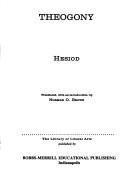
Hesiod
1953 · 87 pages · 2 reviews
Others: PositiveHesiod's straightforward account of family conflict among the gods is the best and earliest evidence of what the ancient Greeks believed about the beginning of the world. Includes Hesiod's "Works and Days", lines 1-201, and material from the Library of Apollodorus.
What made the match, strongest first
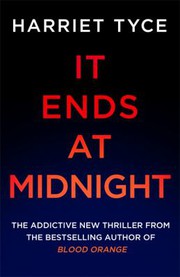
Harriet Tyce
2022 · 400 pages · 1 review
Others: PositiveIt's New Year's Eve, and the stage is set for a lavish party in one of Edinburgh's best postcodes. It's a moment for old friends to set the past to rights - and move on. And yet, the celebration fails to materialize. Because someone at this party is going to die. Midnight approaches and the countdown begins…and it seems one of the guests doesn't want a resolution. They want revenge. But there are many present at the party who might have reasons for seeking revenge, and just as many who have spent their lives trying to outrun it. So who is the killer, and who is the victim? Perfect for fans of Gillian Flynn and Lucy Foley, It Ends at Midnight will haunt readers long after its stunning finale as it questions what we are willing to say – and believe – to ensure our own peace of mind.
What made the match, strongest first
Loved itthis book really centers in on those women and it was such an incredible reading experience because there was women that i had actually heard of but never in this context