

 Loved it
Excellent story. I've reviewed it. If you haven't read it, I highly suggest you go check it out immediately.
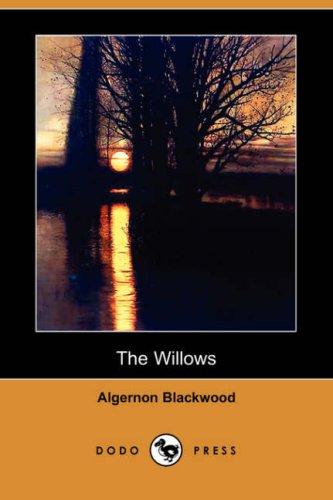
Others: Positive After leaving Vienna, and long before you come to Budapest, the Danube enters a region of singular loneliness and desolation, where its waters spread away on all sides regardless of a main channel, and the country becomes a swamp for miles upon miles, covered by a vast sea of low willow-bushes. On the big maps this deserted area is painted in a fluffy blue, growing fainter in color as it leaves the banks, and across it may be seen in large straggling letters the word Sumpfe, meaning marshes. In high flood this great acreage of sand, shingle-beds, and willow-grown islands is almost topped by the water, but in normal seasons the bushes bend and rustle in the free winds, showing their silver leaves to the sunshine in an ever-moving plain of bewildering beauty. These willows never attain to the dignity of trees; they have no rigid trunks; they remain humble bushes, with rounded tops and soft outline, swaying on slender stems that answer to the least pressure of the wind; supple as grasses, and so continually shifting that they somehow give the impression that the entire plain is moving and alive. For the wind sends waves rising and falling over the whole surface, waves of leaves instead of waves of water, green swells like the sea, too, until the branches turn and lift, and then silvery white as their underside turns to the sun. En Los sauces, nos encontramos dos excursionistas que bajan por el cauce del Danubio en lo que iba a ser un viaje de placer. A una determinada altura del río donde se forma una isla artificial deciden acampar y pasar la noche para no adentrarse más en una zona especialmente complicada. La estancia en la isleta se hace cada vez más opresiva; en esa zona donde los sauces dominan el horizonte, ambos sienten una presencia terrible y no humana que amenaza su cordura y quizá algo más. Blackwood apuesta por una naturaleza inhóspita, salvaje, que va más allá de lo puramente animista. Los personajes intuyen en su entorno una fuerza que va más allá de su comprensión, que se han adentrado en un territorio que no les pertenece, que desdibuja la frontera entre lo humano y lo inhumano. Como cita Llopis en su Historia natural en los cuentos de miedo, «El meollo de toda la obra de ficción de Blackwood es la confrontación del hombre moderno de la época postracionalista con aterradoras fuerzas naturales o sobrenaturales»”. Los sauces es un relato corto (apenas unas setenta páginas) en las que encontramos las cotas más altas de Blackwood. Sin apenas usar el diálogo, el narrador interno del relato nos va introduciendo poco a poco en ese ambiente que se va enrareciendo alrededor de los dos personajes. Blackwood es un maestro a la hora de que un escenario aparentemente tan idílico como la campiña centroeuropea se convierta paulatinamente en un lugar ajeno a cualquier noción humana. Los personajes son bamboleados por esta incertidumbre, y por la malignidad de esa presencia que tan sólo intuyen. La edición de Hermida es excelente. No sólo por la excelente traducción de Óscar Mariscal, que también redacta una breve noticia sobre el autor, sino por los textos, la mayor parte de ellos inéditos en español, que se incluyen de H. P. Lovecraft, extraídos de su correspondencia, que permanece todavía, inexplicablemente, sin traducción a nuestro idioma. Los sauces es, quizá, la mejor oportunidad de conocer a este autor formidable que habría de tener una importancia capital en la literatura de género posterior.
Genres: fantasy, horror, graphic novel
Lists: …
Robert W. Chambers
1895 · 229 pages · 1 review
Others: PositiveAn important early classic of fantasy/sci-fi. [Main story:] The ill effects of a soul-destroying play, to read which brings doom. A discovery that changes living flesh to stone. The mad adherents of a cult of evil powers from beyond. A lost traveler is suddenly 400 years in the past. Great writing; powerful emotions. Chambers wrote mainly conventional stuff, but not here.
What made the match, strongest first
Henry James
1898 · 160 pages · 2 reviews
Others: PositiveThe governess of two enigmatic children fears their souls are in danger from the ghosts of the previous governess and her sinister lover.
What made the match, strongest first
John Langan
2016 · 282 pages · 3 reviews
 Others: Overwhelmingly positive
In upstate New York, in the woods around Woodstock, Dutchman's Creek flows out of the Ashokan Reservoir. Steep-banked, fast-moving, it offers the promise of fine fishing, and of something more, a possibility too fantastic to be true. When Abe and Dan, two widowers who have found solace in each other's company and a shared passion for fishing, hear rumors of the Creek, and what might be found there, the remedy to both their losses, they dismiss it as just another fish story. Soon, though, the men find themselves drawn into a tale as deep and old as the Reservoir. It's a tale of dark pacts, of long-buried secrets, and of a mysterious figure known as Der Fisher: the Fisherman. It will bring Abe and Dan face to face with all that they have lost, and with the price they must pay to regain it.
What made the match, strongest first
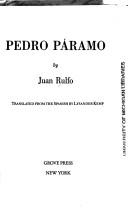
Juan Rulfo
1955 · 123 pages · 2 reviews
Others: Overwhelmingly positiveDentro de su brevedad -determinada por el rigor y la concentración expresiva-, Pedro Páramo sintetiza la mayor parte de los temas que han interesado -y afligido- siempre a los mexicanos: ese misterio nacional que el talento de Juan Rulfo ha sabido condensar por medio rural del sur de Jalisco -de Comala en particular, región inscrita ya en la mitología literia universal-; sus personajes muertos que "evasivos, reticentes, convierten en secreto el aire mismo, y se vuelven elocuentes como consecuencia de callarse."
What made the match, strongest first
Mariana Enriquez
2024 · 232 pages · 1 review
Others: PositiveMariana Enriquez regresa al cuento con doce historias de horror. Doce relatos sobre el mal que acecha y la presencia de lo monstruoso. Quien ose adentrarse en las páginas de este libro sentirá un escalofrío recorriéndole la espina dorsal, y algunas cosas más. Son doce cuentos de horror, doce relatos sobre el horror: sobre el mal que acecha y los monstruos que surgen de pronto en la realidad más cotidiana, en grandes urbes o pequeños pueblos recónditos. En uno de los cuentos, una mujer mantiene a raya a los fantasmas que andan sueltos por un barrio periférico de Buenos Aires; entre ellos, los de su madre muerta de una dolorosa enfermedad, los de unas adolescentes asesinadas en la calle, el de un ladrón pillado en pleno robo y el de un chico que huía de un secuestro exprés. En otra historia, una pareja alquila una casa para unas vacaciones en un pueblo que ha ido perdiendo habitantes desde que el tren dejó de pasar; visitan en la estación abandonada la exposición de los perturbadores lienzos de un artista local, pero lo verdaderamente aterrador será conocer al autor de esas pinturas. En otra pieza, los voluntarios de una ONG que reparte comida por barrios marginales son perseguidos por unos niños de pavorosos ojos negros. En otra, una periodista que investiga la historia de una chica desaparecida en un hotel en Los Ángeles, cuyas espeluznantes imágenes recorrieron internet, acaba enfrentándose a otra leyenda de la ciudad… Después de su monumental y aclamada novela Nuestra parte de noche, Mariana Enriquez vuelve al relato y demuestra que sigue en plena forma como gran continuadora y renovadora del género de terror, al que ha llevado a las más altas cotas literarias. Partiendo de la tradición −desde las novelas góticas hasta Stephen King y Thomas Ligotti−, la escritora explora nuevos caminos, nuevas dimensiones.
What made the match, strongest first
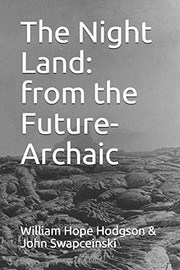
William Hope Hodgson
2009 · 330 pages · 4 reviews
 Others: Negative
The Sun has gone out: the Earth is lit only by the glow of residual vulcanism. The last few millions of the human race are gathered together in a gigantic metal pyramid, the Last Redoubt, under siege from unknown forces and Powers outside in the dark. These are held back by a Circle of energy, known as the "air clog," powered from the Earth's internal energy. For millennia, vast living shapes - the Watchers - have waited in the darkness near the pyramid: it is thought they are waiting for the inevitable time when the Circle's power finally weakens and dies. Other living things have been seen in the darkness beyond, some of unknown origins, and others that may once have been human.To leave the protection of the Circle means almost certain death, or worse, but as the story commences, the narrator establishes mind contact with an inhabitant of another, forgotten, Redoubt, and sets off into the darkness to find her.
What made the match, strongest first
Loved itExcellent story. I've reviewed it. If you haven't read it, I highly suggest you go check it out immediately.