The Prisoner of Zenda (1800)
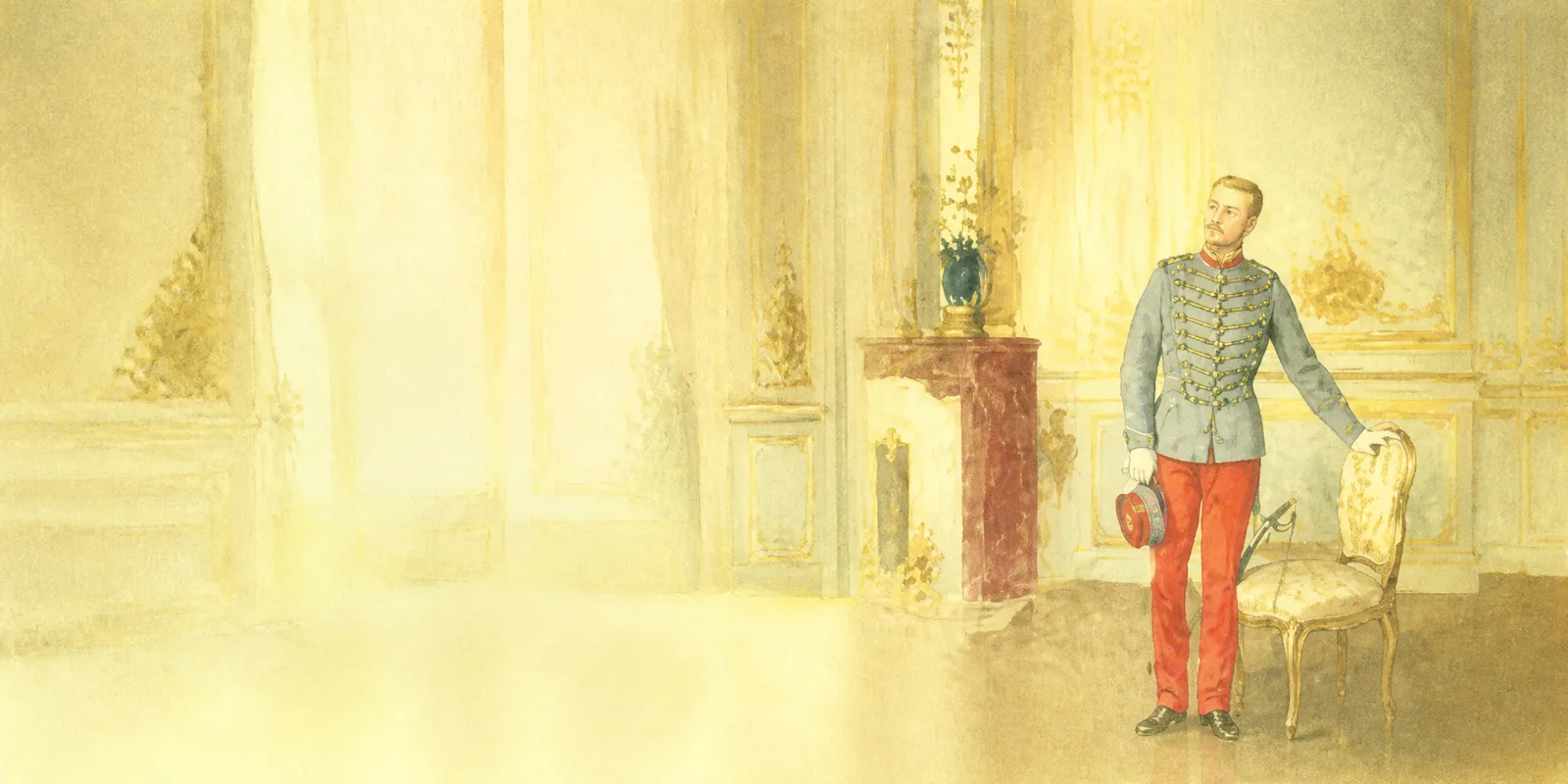
An adventure novel, originally published in 1894, set in the fictitious European Kingdom of Ruritania. An English tourist is persuaded to impersonate the new king after he is abducted before he can be crowned. This act draws upon him the wrath of the Prince who has had the king abducted and his partner in crime the villainous Rupert of Hentzau.
- ISBN:
- 9780007925339
- Length:
- 201 pages
Genres: thriller, historical fiction, classics
Lists: …
Similar books
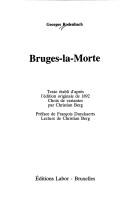
Bruges-la-Morte
Georges Rodenbach
1892 · 102 pages · 1 review
 Others: Mixed
Hugues Viane is a widower who has turned to the melancholy, decaying city of Bruges as the ideal location in which to mourn his wife and as a backdrop for the narcissistic wanderings of his disturbed spirit. He becomes obsessed with a young dancer whom he believes is the double of his beloved wife, leading him to psychological torment and humiliation, culminating in a deranged murder. This 1892 work is a poet's novel, dense, visionary, and haunting. Bruges, the 'dead city', becomes a metaphor for Hugues' dead wife as he follows its mournful labyrinth of streets and canals in a cyclical promenade of reflection and allusion--the ultimate evocation of Rodenbach's lifelong love affair with the enduring mystery and mortuary atmosphere of Bruges.
Why?
What made the match, strongest first
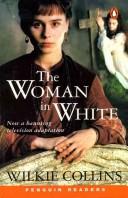
On the same reading list68%Also classicsPersonalize your recommendations32%The Woman in White
Wilkie Collins
1859 · 521 pages · 2 reviews
 Others: Overwhelmingly positive
The Woman in White famously opens with Walter Hartright's eerie encounter on a moonlit London road. Engaged as a drawing master to the beautiful Laura Fairlie, Walter is drawn into the sinister intrigues of Sir Percival Glyde and his 'charming' friend Count Fosco, who has a taste for white mice, vanilla bonbons and poison. Pursuing questions of identity and insanity along the paths and corridors of English country houses and the madhouse, The Woman in White is the first and most influential of the Victorian genre that combined Gothic horror with psychological realism.
Why?
What made the match, strongest first
Also classics and historical fiction58%On 5+ of the same lists38%Similar descriptionsPersonalize your recommendations4%Great Expectations
Charles Dickens
1861 · 484 pages · 9 reviews
 Others: Leaning positive
Great Expectations is the thirteenth novel by Charles Dickens and his penultimate completed novel. It depicts the education of an orphan nicknamed Pip (the book is a bildungsroman; a coming-of-age story). It is Dickens' second novel, after David Copperfield, to be fully narrated in the first person. The novel was first published as a serial in Dickens's weekly periodical All the Year Round, from 1 December 1860 to August 1861. In October 1861, Chapman and Hall published the novel in three volumes. The novel is set in Kent and London in the early to mid-19th century and contains some of Dickens's most celebrated scenes, starting in a graveyard, where the young Pip is accosted by the escaped convict Abel Magwitch. Great Expectations is full of extreme imagery – poverty, prison ships and chains, and fights to the death – and has a colourful cast of characters who have entered popular culture. These include the eccentric Miss Havisham, the beautiful but cold Estella, and Joe, the unsophisticated and kind blacksmith. Dickens's themes include wealth and poverty, love and rejection, and the eventual triumph of good over evil. Great Expectations, which is popular both with readers and literary critics, has been translated into many languages and adapted numerous times into various media.
Why?
What made the match, strongest first
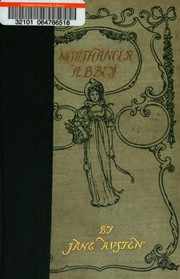
Also classics and historical fiction65%On 5+ of the same lists31%Similar descriptionsPersonalize your recommendations4%Northanger Abbey
Jane Austen
1818 · 254 pages · 14 reviews
Others: Mostly positiveNorthanger Abbey is both a perfectly aimed literary parody and a withering satire of the commercial aspects of marriage among the English gentry at the turn of the nineteenth century. But most of all, it is the story of the initiation into life of its naïve but sweetly appealing heroine, Catherine Morland, a willing victim of the contemporary craze for Gothic literature who is determined to see herself as the heroine of a dark and thrilling romance. When Catherine is invited to Northanger Abbey, the grand though forbidding ancestral seat of her suitor, Henry Tilney, she finds herself embroiled in a real drama of misapprehension, mistreatment, and mortification, until common sense and humor—and a crucial clarification of Catherine’s financial status—puts all to right. Written in 1798 but not published until after Austen’s death in 1817, Northanger Abbey is characteristically clearheaded and strong, and infinitely subtle in its comedy.
Why?
What made the match, strongest first
Also classics and historical fiction64%On 5+ of the same lists30%Similar descriptionsPersonalize your recommendations6%The black obelisk
Erich Maria Remarque
1954 · 434 pages · 2 reviews
Others: PositiveA German veteran of World War I observes the changes of the early Twenties.
Why?
What made the match, strongest first
Also classics and historical fiction72%On the same reading listPersonalize your recommendations28%Agnes Grey
Anne Brontë
1847 · 186 pages · 2 reviews
Others: MixedIn her Introduction to an edition of "Agnes Grey," Barbara A. Suess writes "Bronte provides a portrait of the governess that is as sympathetic as her fictional indictment of the shallow, selfish moneyed class is biting." Anne Bronte relies on her own personal involvement in her duties as a home teacher to bring Agnes Grey to life. Agnes, a rector's daughter, must take employment as a governess to help her family make financial ends meet. But her situations with the spoiled, self-obsessed Bloomfield children and later with the ruthless Murray family forces her into a lonely, humiliating experience that is a wearying one extraordinarily blossoming into a romantic relationship with the local vicar, Edward Weston. Agnes' concern for her family brings her to these unfortunate trials where she suffers stupid and egotistic proprietors and their over-indulged progeny. She was not able to foresee the hardships she would have to undergo along with the class snobbery to which she was also subjected. And yet a career as a governess was the only "respectable" job available to an unmarried woman in Victorian England. Bronte's simple and uncomplicated rendition of these sordid affairs made circumstances surrounding such brutish conditions authentic enough to necessitate investigation and improvement.
Why?
What made the match, strongest first
Also classics and historical fiction74%On 3 of the same listsPersonalize your recommendations26%