
 Loved it
I have to bump this one up to S now. The last third of the book is just extremely strong. I was really impressed by it.
Review 1 of 2
 Others: Overwhelmingly positive
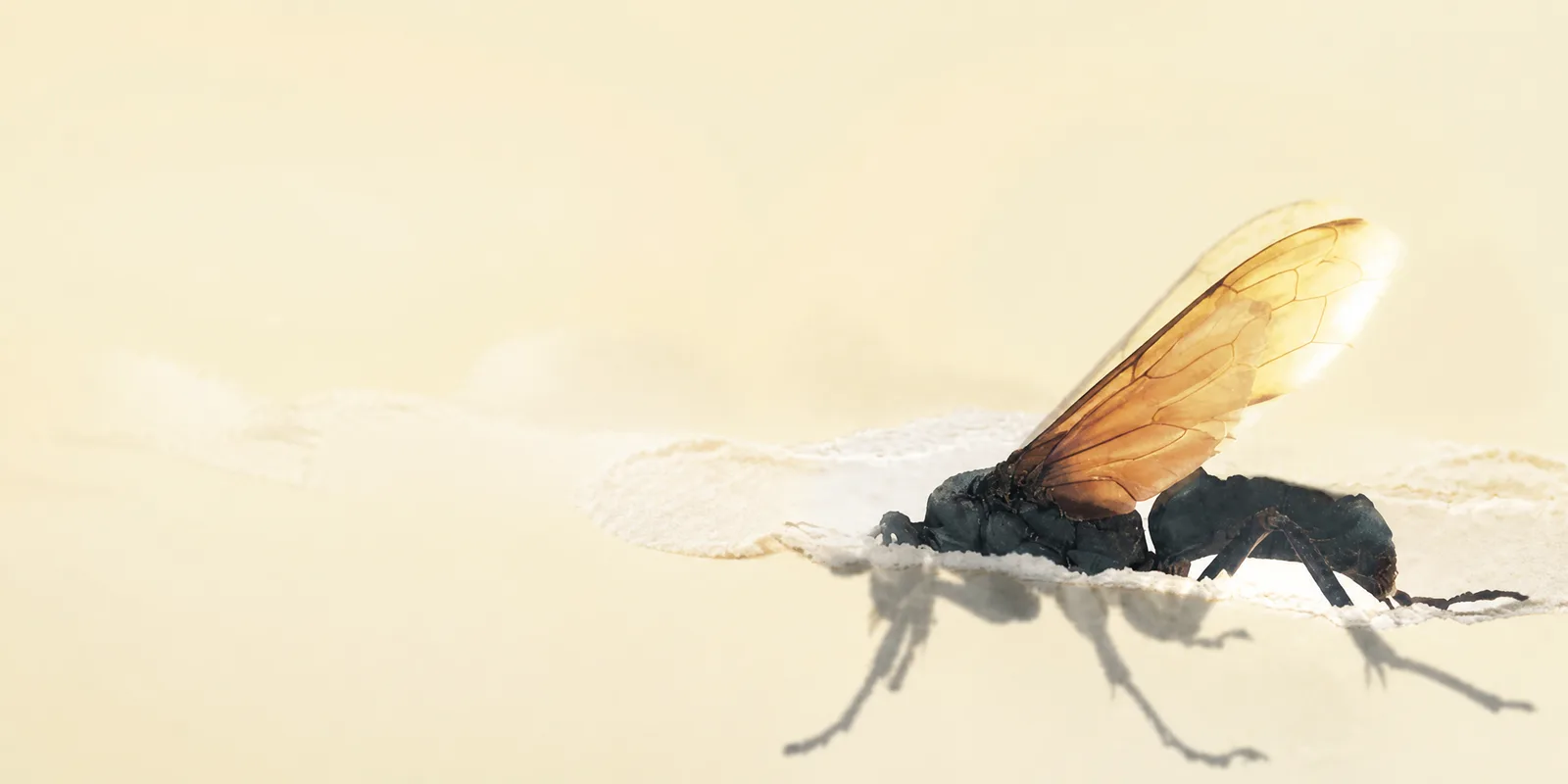
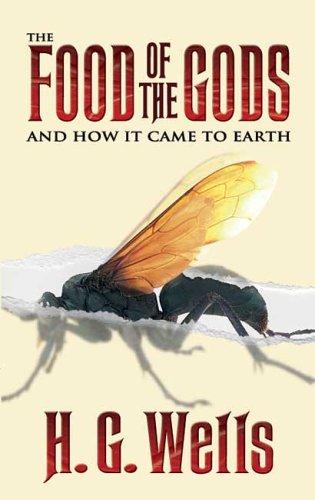
The Food of the Gods and How It Came to Earth is a science fiction novel by H. G. Wells that was first published in 1904. Wells called it "a fantasia on the change of scale in human affairs. . . . I had hit upon [the idea] while working out the possibilities of the near future in a book of speculations called Anticipations (1901)". The novel, which has had various B-movie adaptations, is about a group of scientists that invents food that accelerates the growth of children and turns them into giants when they become adults.
Genres: science fiction
Lists: …
Robert Silverberg
1972 · 200 pages · 4 reviews
Others: Overwhelmingly positiveSeeking the immortality promised in an ancient manuscript, The Book of Skulls, four friends, college roommates, go on a spring break trip to Eli, the scholar, who found and translated the book; Timothy, scion of an American dynasty, born and bred to lead; Ned, poet and cynic; and Oliver, the brilliant farm boy obsessed with death. Somewhere in the desert lies the House of Skulls, where a mystic brotherhood guards the secret of eternal life. There, the four aspirants will present themselves–and a horrific price will be demanded. For immortality requires sacrifice. Two victims to balance two survivors. One by suicide, one by murder. Now, beneath the gaze of grinning skulls, the terror begins. . . .
What made the match, strongest first
D. G. Compton
2012 · 256 pages · 3 reviews
Others: PositiveA few years in the future, medical science has advanced to the point where it is practically unheard of for people to die of any cause except old-age. The few exceptions provide the fodder for a new kind of television show for avid audiences who lap up the experience of watching someone else's dying weeks. So when Katherine Mortenhoe is told that she has about four weeks to live she knows it's not just her life she's about to lose, but her privacy as well.
What made the match, strongest first
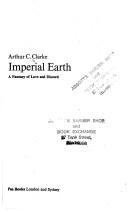
Arthur C. Clarke
1975 · 296 pages · 1 review
Others: PositiveDuncan Makenzie is the latest generation of the 'first family' of Titan, a colonised moon of Saturn. Originally settled by his grandfather Malcolm Makenzie in the early 23rd century, Titan's economy has flourished based on the harvest and sale of hydrogen mined from the atmosphere, which is used to fuel the fusion engines of interplanetary spacecraft. As the plot opens in 2276, a number of factors are combining to make a diplomatic visit to the 'mother world' of Earth a necessity. Firstly, the forthcoming 500th anniversary of US Independence, which is bringing in colonists from the entire Solar System, obviously needs a suitable representative from Titan. Secondly, the Makenzie family carry a fatal damaged gene that means any normal continuation of the family line is impossible—so both Duncan and his "father" Colin are clones of his "grandfather" Malcolm. Human cloning is a mature technology but is even at this time ethically controversial. And thirdly, technological advances in spacecraft drive systems — specifically the 'asymptotic drive' which improves the specific impulse and thrust by orders of magnitude — means that Titan's whole economy is under threat as the demand for hydrogen is about to collapse. The human aspects of the tale center mainly on the intense infatuation (largely unrequited but not unconsummated) that the two main male characters, Duncan and Karl Helmer, develop for the vividly characterized Catherine Linden Ellerman (Calindy), a visitor to Titan from Earth in their youth, and its lifelong consequences. A number of other sub-plots suggest some sort of greater mystery, but remain unexplored. The book ends with him returning home with his new "child" Malcolm (who is a clone of his dead friend Karl), leaving the other plot threads dangling. The book is the first work of science fiction to feature a starship powered by a black hole
What made the match, strongest first
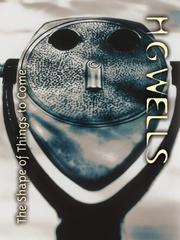
H. G. Wells
1933 · 431 pages · 1 review
 Others: Mixed
A futuristic novel in which Wells predicts, along with the Second World War, an eventual rise of a World State run by a benevolent dictatorship. This state promotes science over religion and enforces English as a global language and finally paves the way for a true Utopian State. The version below called "Things to Come" is not the book by Wells; it is a description of the film made much later.
What made the match, strongest first
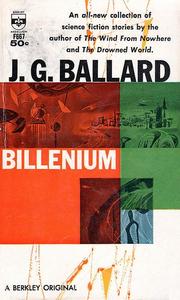
J. G. Ballard
1962 · 159 pages · 1 review
Others: PositiveAn all-new collection of science fiction stories by the author of The Wind From Nowhere and The Drowned World. Includes the following short stories and novelettes: "Billenium", a.k.a "Billennium" (1961) "The Insane Ones" (1962) "Studio 5, The Stars" (1961) "The Gentle Assassin" (1961) "Build-Up", a.k.a "The Concentration City" (1957) "Now: Zero" (1959) "Mobile", a.k.a "Venus Smiles" (1957) "Chronopolis" (1960) "Prima Belladonna" (1956) "The Garden of Time" (1962)
What made the match, strongest first
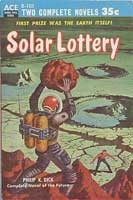
Philip K. Dick
1955 · 200 pages · 1 review
Others: MixedThe year is 2203, and the ruler of the universe is chosen according to the random laws of a strange game under the control of Quizmaster Verrick. But when Ted Bentley, a research technician recently dismissed from his job, signs on to work for Verrick, he has no idea that Leon Cartwright is about to become the new Quizmaster. Nor does he know that he's about to play an integral part in the plot to assassinate Cartwright so that Verrick can resume leadership of a universe that is not nearly as random as it appears. Winner of both the Hugo and John W. Campbell awards for best novel, widely regarded as the premiere science fiction writer of his day, and the object of cult-like adoration from his legions of fans, Philip K. Dick has come to be seen in a literary light that defies classification in much the same way as Borges and Calvino. With breathtaking insight, he utilizes vividly unfamiliar worlds to evoke the hauntingly and hilariously familiar in our society and ourselves. From the Trade Paperback edition.
What made the match, strongest first
Loved itI have to bump this one up to S now. The last third of the book is just extremely strong. I was really impressed by it.
Loved itthere's lots of other ones food of the Gods all seminar