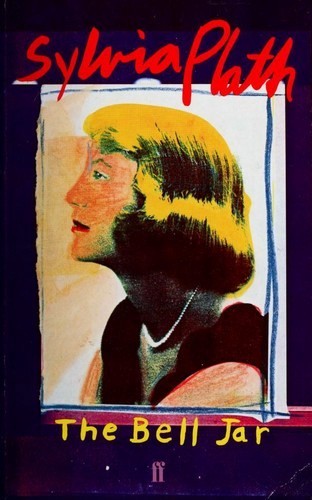
The Bell Jar
The Bell JarSylvia Plath
Buy on Amazon

The Bell Jar (1948)

Sylvia Plath

Others: Mostly positive

The Bell Jar is the only novel written by American poet Sylvia Plath. It is an intensely realistic and emotional record of a successful and talented young woman's descent into madness.

ISBN:
9780571373079
Length:
258 pages

Genres: classics, poetry

Lists: …

Similar books

1 of 6
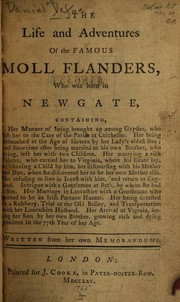
  • Moll Flanders

    Daniel Defoe

    1722 · 308 pages · 3 reviews

    Others: Negative

    These are the true confessions of a remarkable and passionate young woman are thought to have been based on the adventures of a real prisoner in Newgate where Moll was born. ostensibly written as a warning to wrongdoers, the moral of Defoe's candid and cautionary tale is often lost in the sheer vitality of Moll - one of the supreme characters of English comic fiction. Her fortunes and misfortunes - 'twelve years a Whore, five times a Wife (once to her own brother), twelve years a Thief, eight years a transported Felon' - plunge the reader into the exciting world of the eighteenth-century low life.

    Why?

    What made the match, strongest first

    Also classics and poetry
    96%
    Similar descriptions
    4%
    Personalize your recommendations
  • Inferno

    Dante Alighieri

    1767 · 296 pages · 0 reviews

    Dante, after becoming lost on the path of life, is led by Virgil into Hell to begin his journey back to the light of God.

    Why?

    What made the match, strongest first

    Also classics and poetry
    100%
    Personalize your recommendations
  • The collected poems of Hart Crane;

    Hart Crane

    1946 · 226 pages · 1 review

    Others: Positive

    The vintage Black and Gold Edition, 1946, edited and introduced by Waldo Frank.

    Why?

    What made the match, strongest first

    Also classics and poetry
    100%
    Personalize your recommendations
  • The Waste Land

    T.S. Eliot

    1922 · 73 pages · 1 review

    Others: Positive

    "THE WASTE LAND" BY T.S. ELIOT, A SEMINAL WORK OF MODERNIST POETRY, EXPLORES THEMES OF BROKENNESS, LOSS, AND THE MEANINGLESSNESS OF MODERN LIFE, USING FRAGMENTED LANGUAGE, ALLUSIONS, AND A NON-LINEAR STRUCTURE TO CONVEY ITS MESSAGE. KEY ASPECTS OF "THE WASTE LAND": THEMES: BROKENNESS AND ISOLATION: THE POEM DEPICTS A WORLD CHARACTERIZED BY ALIENATION, DESPAIR, AND LACK OF CONNECTION. DEATH AND REBIRTH: THE POEM EXPLORES THE CYCLICAL NATURE OF LIFE AND DEATH, WITH HINTS OF POTENTIAL RENEWAL AMIDST THE DESOLATION. RELIGION, SPIRITUALITY, AND NIHILISM: ELIOT GRAPPLES WITH THE DECLINE OF TRADITIONAL RELIGIOUS FAITH AND THE RISE OF NIHILISM IN THE MODERN WORLD. SEX, LUST, AND IMPOTENCE: POEM TOUCHES ON THEMES OF SEXUALITY, DESIRE, AND THE INABILITY TO FIND FULFILLMENT. MEMORY AND THE PAST: THE POEM USES FRAGMENTED MEMORIES AND ALLUSIONS TO PAST LITERARY WORKS TO CREATE A SENSE OF HISTORICAL CONTEXT AND DECAY. CONTEXTS: MODERNISM: "THE WASTE LAND" AQUINTESSENTIAL EXAMPLE OF MODERNIST POETRY, CHARACTERIZED BY ITS EXPERIMENTAL FORM, FRAGMENTED NARRATIVE, AND FOCUS ON THE SUBJECTIVE EXPERIENCE. WORLD WAR 1: THE POEM REFLECTS THE TRAUMA AND DISILLUSIONMENT OF THE FIRST WORLD WAR, WHICH LEFT A PROFOUND IMPACT ON THE POST-WAR GENERATION. LITERARY ALLUSIONS: ELIOT DRAWS HEAVILY ON A WIDE RANGE OF LITERARY SOURCES, INCLUDING CLASSICAL MYTHOLOGY, ARTHURIAN LEGENDS, AND RELIGIOUS TEXTS, TO CREATE A RICH TAPESTRY OF MEANING. CRITICISM: EZRA POUND, A FELLOW POET AND FRIEND OF ELIOT, PLAYED A CRUCIAL ROLE IN EDITING AND SHAPING THE POEM. NORTON CRITICAL EDITION: THE NORTON CRITICAL EDITION PROVIDES AN AUTHORITATIVE TEXT, CONTEXTUAL MATERIALS, AND CRITICAL ESSAYS TO AID READERS IN UNDERSTANDING THE POEM. RECEPTION: "THE WASTE LAND" HAS BEEN THE SUBJECT OF EXTENSIVE CRITICAL ANALYSIS AND DEBATE, WITH SCHOLARS OFFERING VARIOUS INTERPRETATIONS OF ITS MEANING AND SIGNIFICANCE. STRUCTURE AND STYLE: FRAGMENTED NARRATIVE: THE POEM'S STRUCTURE IS DELIBERATELY FRAGMENTED AND NON-LINEAR, REFLECTING THE DISJOINTED NATURE OF MODERN LIFE. FREE VERSE: ELIOT USES FREE VERSE, ABANDONING TRADITIONAL POETIC FORMS, TO CREATE A SENSE OF IMMEDIACY AND SPONTANEITY. MULTIPLE VOICES: THE POEM FEATURES A CHORUS OF VOICES, EACH CONTRIBUTING TO THE OVERALL SENSE OF DECAY AND FRAGMENTATION. IN SUMMARY: "THE WASTE LAND" IS A COMPLEX AND CHALLENGING POEM THAT CONTINUES TO RESONATE WITH READERS TODAY. IT EXPLORES THE THEMES OF BROKENNESS, LOSS, AND THE MEANINGLESSNESS OF MODERN LIFE THROUGH A UNIQUE BLEND OF FRAGMENTED LANGUAGE, ALLUSIONS, AND A NON-LINEAR STRUCTURE.
    Why?

    What made the match, strongest first

    Also classics and poetry
    100%
    Personalize your recommendations
  • Women

    Charles Bukowski

    1978 · 290 pages · 2 reviews

    Others: Mixed

    Low-life writer and unrepentant alcoholic Henry Chinaski was born to survive. After decades of slacking off at low-paying dead-end jobs, blowing his cash on booze and women, and scrimping by in flea-bitten apartments, Chinaski sees his poetic star rising at last. Now, at fifty, he is reveling in his sudden rock-star life, running three hundred hangovers a year, and maintaining a sex life that would cripple Casanova. With all of Bukowski's trademark humor and gritty, dark honesty, this 1978 follow-up to Post Office and Factotum is an uncompromising account of life on the edge.

    Why?

    What made the match, strongest first

    Also classics and poetry
    100%
    Personalize your recommendations
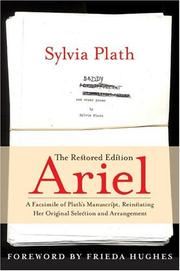
  • Ariel

    Sylvia Plath

    1965 · 96 pages · 1 review

    Others: Positive

    "A restored edition of Sylvia Plath's collection of poems that were published after her death that restores the selection and arrangement of the poems as Plath left them at the point of her death." Upon the publication of her posthumous volume of poetry, Ariel, in the mid-1960s, Sylvia Plath became a household name. Readers may be surprised to learn that the draft of Ariel left behind by Sylvia Plath when she died in 1963 is different from the volume of poetry eventually published to worldwide acclaim. This facsimile edition restores, for the first time, the selection and arrangement of the poems as Sylvia Plath left them at the point of her death. In addition to the facsimile pages of Sylvia Plath's manuscript, this edition also includes in facsimile the complete working drafts of the title poem, "Ariel," in order to offer a sense of Plath's creative process, as well as notes the author made for the BBC about some of the manuscript's poems. In her insightful foreword to this volume, Frieda Hughes, Sylvia Plath's daughter, explains the reasons for the differences between the previously published edition of Ariel as edited by her father, Ted Hughes, and her mother's original version published here. With this publication, Sylvia Plath's legacy and vision will be re-evaluated in the light of her original working draft.--Book jacket.

    Why?

    What made the match, strongest first

    Also poetry
    55%
    Similar descriptions
    45%
    Personalize your recommendations

Reviews3

The Book Leo
Loved it

this is a very smothering story about the foggy way that a young woman with depression experiences life how other people don't know how to deal with her depression how this young woman doesn't know how to deal with her own depression and how other people don't know how to deal with young women

Review 1 of 2
Loved it

at first I wasn't sure how much I enjoyed but the more time that passes the more I realize how much of an impact this book had on me especially after we studied Sylvia PL poetry in class this year in senior year in English class I really appreciated the Bell jar I think it's a great book