
 Loved
And he wrote it and he would tell these stories but they in ways that were very accessible and as fun as his fiction and they were almost kind of like travels too because he had visited all of these places, right? Every single one.
 Creators: Loved
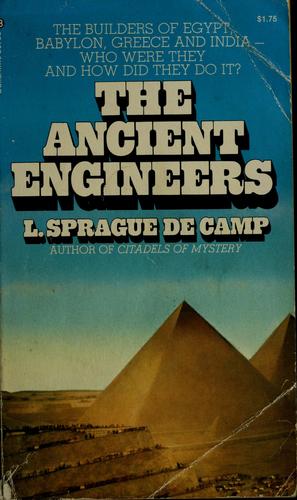
This book is about those whose genius enabled the Egyptians to build their pyramids, the Phoenicians to cross stormy seas, the Romans to erect magnificent public buildings--that this carefully researched and fascinatingly written account of the advance of early technology has been written.Mr. de Camp describes the methods used by early irrigators, architects, and military engineers to build and maintain structures to serve their rulers' wants. He tells, for example, how the Pharaohs erected obelisks and pyramids, how Nebuchadnezzar fortified Babylon, how Dionysios' ordnance department invented the catapult, how the Chinese built the Great Wall, and how the Romans fashioned their roads, baths, sewers, and aqueducts. He recounts many intriguing anecdotes: an Assyrian king putting up no-parking signs in Nineveh; Plato inventing a water clock with an alarm to signal the start of his classes; Heron of Alexandria designing a coin-operated holy-water fountain; a Chinese emperor composing a poem to be inscribed on a clock invented by one of his civil servants.
LovedAnd he wrote it and he would tell these stories but they in ways that were very accessible and as fun as his fiction and they were almost kind of like travels too because he had visited all of these places, right? Every single one.
What made the match, strongest first
 Liked by creators2 reviews