Revolutionary Desires - The Political Power of the Sex Scene
Revolutionary Desires - The Political Power of the Sex SceneXuanlin Tham
Buy on Amazon

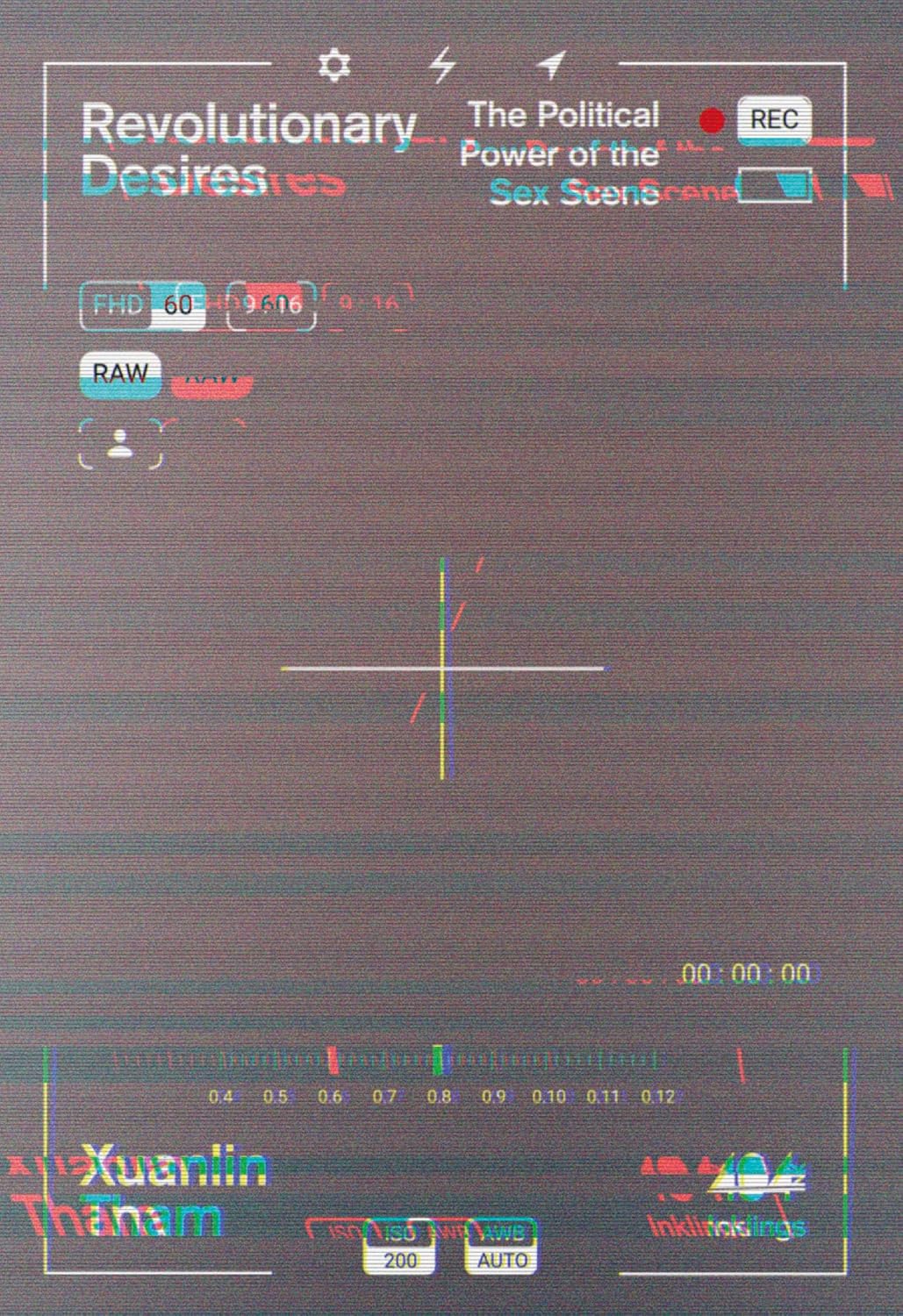
Revolutionary Desires - The Political Power of the Sex Scene (2025)

Xuanlin Tham

Others: Positive

Cinema is becoming less and less sexy; yet more and more people are rallying against sex on screen. What could explain this growing anti-sex sentiment among the producers and consumers of screen culture? The sex scene’s intimacies, transgressions, and dedication to pleasure can be uniquely poised to rupture dominant narratives of capitalism and the violences that flow from it. Why is the sex scene, demonised as it is, therefore more politically important and subversive than ever? Revolutionary Desires seeks to answer that question.

ISBN:
9781916637085

Genres: nonfiction

Lists: …

Similar books

1 of 6
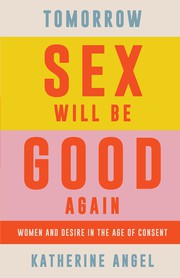
  • Tomorrow Sex Will Be Good Again

    Katherine Angel

    2021 · 144 pages · 2 reviews

    Others: Leaning positive

    A provocative, elegantly written analysis of female desire, consent, and sexuality in the age of MeToo Women are in a bind. In the name of consent and empowerment, they must proclaim their desires clearly and confidently. Yet sex researchers suggest that women’s desire is often slow to emerge. And men are keen to insist that they know what women—and their bodies—want. Meanwhile, sexual violence abounds. How can women, in this environment, possibly know what they want? And why do we expect them to? In this elegant, searching book—spanning science and popular culture; pornography and literature; debates on Me-Too, consent and feminism—Katherine Angel challenges our assumptions about women’s desire. Why, she asks, should they be expected to know their desires? And how do we take sexual violence seriously, when not knowing what we want is key to both eroticism and personhood? In today’s crucial moment of renewed attention to violence and power, Angel urges that we remake our thinking about sex, pleasure, and autonomy without any illusions about perfect self-knowledge. Only then will we fulfil Michel Foucault’s teasing promise, in 1976, that “tomorrow sex will be good again.”
    Why?

    What made the match, strongest first

    Also nonfiction
    73%
    Similar descriptions
    15%
    Jean's Thoughts loved both
    12%
    Personalize your recommendations
  • Aphrodisia: Women, Sex, and Pleasure in the Classical World

    Jean Menzies

    2026 · 1 review

    Others: Positive

    Was Ovid a surprising champion of women's sexual pleasure? Or did he just want them to fake it? Where did the British Museum curators hide the most pornographic of frescoes? And what exactly was the phallic wooden object excavated in 90's Northumberland? In APHRODISIA, Dr Jean Menzies dives into the hidden history of women's sexuality in Ancient Greece and Rome. The classical world stretched across the Mediterranean for more than a millennium, its people and cultures wide and varied and its sexual proclivities equally so. Yet so often when we read about sex in antiquity it is about the men folk first and which brothels they were visiting, how they balanced wives and lovers, and what they got up to in the gymnasium. Delving into the literature, art and artefacts of the ancient world, from sex toys to seduction tips to kink, Dr Jean Menzies instead centres women and their desire. In doing so, she uncovers the many faces of women's sexuality over the course of thousands of years, and asks intriguing, and sometimes provocative questions about women, sex and desire today.

    Why?

    What made the match, strongest first

    Also nonfiction
    76%
    Jean's Thoughts loved both
    13%
    Similar descriptions
    11%
    Personalize your recommendations
  • Electric Dreams: Sex Robots and Failed Promises of Capitalism

    Heather Parry

    2024 · 1 review

    Others: Positive

    Diving into the highly-charged (pun intended) topic of sex robots, Electric Dreams positions them not as a threat to human women and relationships but as the last impossible promise of a dying colonialist-capital narrative. Roboticists say they’re a distracting science fiction, yet endless books, films and articles are written on the subject. Campaigns are even mounted against them. So why are sex robots such a hot topic? Let's find out.

    Why?

    What made the match, strongest first

    Also nonfiction
    77%
    Jean's Thoughts loved both
    13%
    Similar descriptions
    10%
    Personalize your recommendations
  • Curious History of Sex

    Kate Lister

    2020 · 384 pages · 3 reviews

    Others: Leaning positive

    An eye-opening exploration of the weird and wonderful things human beings have done in pursuit (and denial) of the mighty orgasm, based on the hit Twitter account @WhoresofYore. This is not a comprehensive study of every sexual quirk, kink and ritual across all cultures throughout time, as that would entail writing an encyclopaedia. Rather, this is a drop in the ocean, a paddle in the shallow end of sex history, but I hope you will get pleasantly wet nonetheless. The act of sex has not changed since people first worked out what went where, but the ways in which society dictates how sex is culturally understood and performed have varied significantly through the ages. Humans are the only creatures that stigmatise particular sexual practices, and sex remains a deeply divisive issue around the world. Attitudes will change and grow - hopefully for the better - but sex will never be free of stigma or shame unless we acknowledge where it has come from. Drawing upon extensive research from Dr Kate Lister's Whores of Yore website and written with her distinctive humour and wit, A Curious History of Sex covers topics ranging from twentieth- century testicle thefts to Victorian doctors massaging the pelvises of their female patients, from smutty bread innuendos dating back to AD 79, to the new and controversial sex doll brothels. It is peppered with surprising and informative historical slang and illustrated by eye-opening, toe- curling and hilarious images. In this fascinating book, Lister deftly debunks myths and stereotypes and gives unusual sexual practices an historical framework, as she provides valuable context for issues facing people today, including gender, sexual shame, beauty and language.

    Why?

    What made the match, strongest first

    Also nonfiction
    77%
    Jean's Thoughts loved both
    13%
    Similar descriptions
    10%
    Personalize your recommendations
  • Love That Journey for Me

    Emily Garside

    2021 · 96 pages · 2 reviews

    Others: Positive

    Love That Journey For Me dives deep into the cultural sensation of Canadian comedy-drama Schitt’s Creek. Considering the fusion of existing sitcom traditions, references and tropes, this Inkling analyses the nuance of the show and its surrounding cultural and societal impact as a queer revolution. By discussing how the show reshapes LGBTQ+ narratives from the crafting of the town itself, and celebratory influences including Cabaret, to how writer-creator Dan Levy utilised and subverted expectations throughout his work, Emily Garside will showcase how one TV show became a watershed moment in queer representation and gay relationships on screen. Part analysis of Schitt’s Creek’s importance, part homage to a cultural landmark, this is a show that – in the words of David Rose himself – needs to be celebrated. This book is that celebration. This book is unofficial, and unaffiliated with Schitt’s Creek and its brand.

    Why?

    What made the match, strongest first

    Also nonfiction
    77%
    Jean's Thoughts loved both
    13%
    Similar descriptions
    10%
    Personalize your recommendations
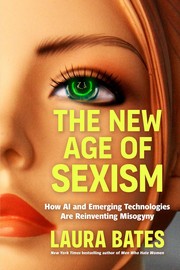
  • New Age of Sexism

    Laura Bates

    2025 · 320 pages · 7 reviews

    Others: Overwhelmingly positive

    Goodreads Choice Award Nominee for Readers' Favorite Nonfiction (2025) Misogyny is being hardwired into our future. Can we stop it? We like to believe we’re moving closer to equality, riding the wave of technological progress into a brighter, fairer future. But beneath the glossy surface of innovation lies a chilling truth: new technologies are not just failing to solve age-old inequalities—they’re deepening them. In The New Age of Sexism, acclaimed author and activist Laura Bates exposes how misogyny is being coded into the very fabric of our future. From the biases embedded in artificial intelligence to the alarming rise of sex robots and the toxic dynamics of the metaverse, Bates takes readers on a shocking journey into a world where technology is weaponized against women. This isn’t a dystopian warning about what might happen. It’s a harrowing account of what’s happening now and the dangers we face if we don’t act. With clarity and urgency, Bates reveals how these advancements are dragging society backward, reinforcing harmful stereotypes, and jeopardizing decades of progress in the fight for gender equality. Eye-opening and empowering, The New Age of Sexism is a rallying cry for awareness and action in a world where the battle for equality has entered a dangerous new frontier.

    Why?

    What made the match, strongest first

    Also nonfiction
    79%
    Jean's Thoughts loved both
    13%
    Similar descriptions
    8%
    Personalize your recommendations

Reviews1

Loved it

I'm really enjoying the conversation in this book considering the sex scene as a form of art and it's making me think. I did really end up enjoying the Inkling book that I read. I thought it was very thought-provoking, and there was just like a lot in those little pages. I would recommend that one if it sounds of interest to you.