
 Mixed
This is quite different to the feel of clash by night and fury and doesn't seem to have so much more in it to my way of thinking
Review 1 of 2
 Creators: Mixed
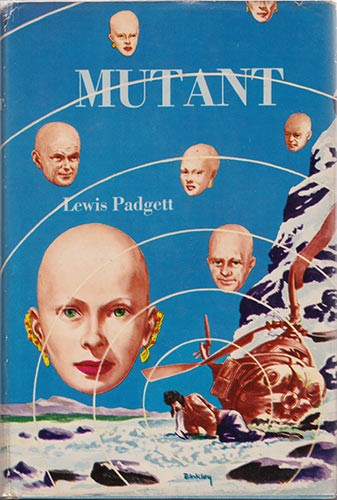
After the Blow-Up, the children of a small group of the survivors were born with the capacity for telepathy - to perceive and share the thoughts of others. This minority, once the children became able to communicate their ability, became a feared and quarantined group; "ordinary" humans felt that their privacy had been taken from them and that the mutants, the "Baldies" (so called because of their most distinguishing visible characteristic) by knowing their most secrets could destroy them.Most of the Baldies submit to the quarantine. They seek peaceful accommodation with the "Normals". A small minority of this minority, however, known as the "Paranoids" sought the destruction of humanity, felt that no co-existence with the majority would ever be possible because their fear and hatred could only lead to a pogrom. In four novelettes published in 1943 - The Piper's Son, Beggars in Velvet, The Lion and the Unicorn and Three Blind Mice - Kuttner explored the struggle within and without the community of Baldies, the menace presented to peaceable telepaths by their faction of Paranoids and by non-telepathic humans who feared them. Some accommodation seems possible at times, at others it seems chimerical because of the influence of the Paranoids within the community and the hatred for the normals which the Paranoids express. As circumstances move inexorably toward what will be a murderous and devastating confrontation between the two species of humanity, the final novelette, Humpty Dumpty, depicts a possible solutions found by the Baldies. It is a solution shrouded with risk and suspicion which, although offered to humanity may never be accepted, so deeply advanced are strife and suspicion."The pogrom might go on until the last Baldie died. But until then,no Baldy would live or die alone. So they waited, together, for the answer man must give."
MixedThis is quite different to the feel of clash by night and fury and doesn't seem to have so much more in it to my way of thinking
What made the match, strongest first
Mixed reactions from creators26 reviews