 Loved it
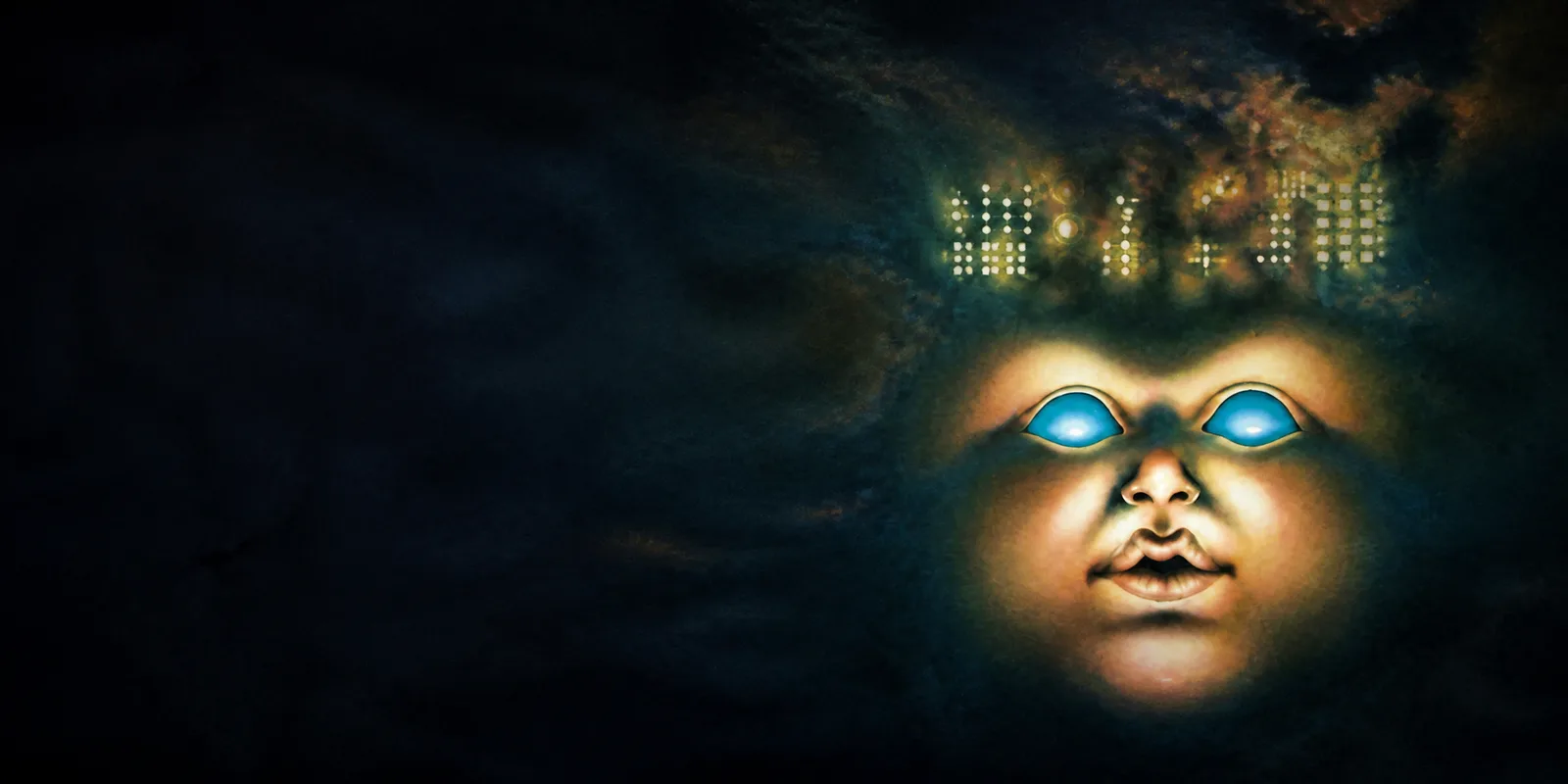
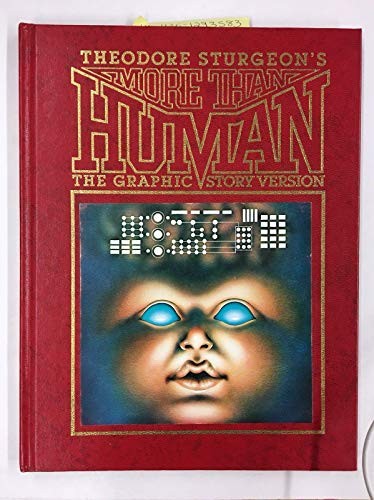
I've only read one of his books, More Than Human, but I loved it.
Review 1 of 4
 Others: Overwhelmingly positive
From the back cover of Del Rey paperback November 1978: The coming of the superman without a superego! Take six people -- extraordinary people. And stir in the melting pot of creation. Take away their human frailties. Burnish their strengths. And create a superman -- Homo gestalt, the last step in man's evolution. Now step back... and learn the meaning of fear!
Genres: science fiction
Lists: …
Greg Bear
1985 · 262 pages · 7 reviews
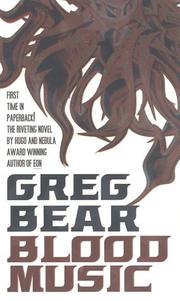
Others: Overwhelmingly positiveIn the tradition of the greatest cyberpunk novels, Blood Music explores the imminent destruction of mankind and the fear of mass destruction by technological advancements. The novel follows present-day events in which the fears concerning the nuclear annihilation of the world subsided after the Cold War and the fear of chemical warfare spilled over into the empty void it left behind. An amazing breakthrough in genetic engineering made by Vergil Ulam is considered too dangerous for further research, but rather than destroy his work, he injects himself with his creation and walks out of his lab, unaware of just how his actions will change the world. Author Greg Bear’s treatment of the traditional tale of scientific hubris is both suspenseful and a compelling portrait of a new intelligence emerging amongst us, irrevocably changing our world.
What made the match, strongest first
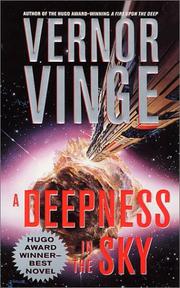
Vernor Vinge
1999 · 606 pages · 12 reviews
Others: Mostly positiveFrom inside cover Tor First Edition March 1999: Thirty thousand years before the events of A Fire upon the Deep, Pham Nuwen is living in anonymity among the Qeng Ho interstellar trading fleet. In high orbit above the planet Arachna, they wait for the awakening of its dormant population, the Spiders, who have burrowed deep into the planet, awaiting the relighting of the On/Off star their planet orbits. For when light returns, Arachna will at long last explode into a Golden Age of technology and commerce. But the slumbering Spiders' vulnerability has attracted another lurking presence -- the Emergents, a band of traders whose plans for Arachna are more sinister than anything the Qeng Ho could envision. Reluctant to share their spoils with the Qeng Ho, the Emergents unleash an attack unlike any seen in the Qeng Ho's millennia-long history of exploration, reducing their fleet to serfdom... and then to something worse. Reaching into memories so old and painful he can barely recall them, Pham gathers the other "survivors" about him and makes a final attempt to be worthy of a reputation as ancient and storied as the history of the Qeng Ho itself. But time is running out, for soon the Emergents' assault will strip Arachna bare. As Pham's underground resistance cell struggles against its torturers in space, a wondrously gifted clan of Spiders on the planet below fights another battle - to advance their technology quickly enough to defeat their terrestrial foes, and to somehow overcome the invisible enemy lurking above.
What made the match, strongest first
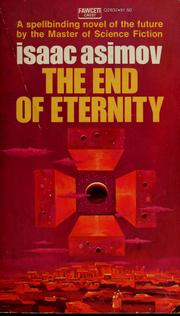
Isaac Asimov
1955 · 192 pages · 2 reviews
 Others: Mixed
The story of temporal engineers who meta-regulate the history of humanity through the centuries, eliminating risk, adventure, and space travel in the process. One man rebels in order to save the existence of someone he loves, and in the end the time bureaucracy is destroyed for the sake of individuality and human achievement. The theme is the opposite of the Foundation stories, where the central planners and manipulators of humanity always dominate.
What made the match, strongest first
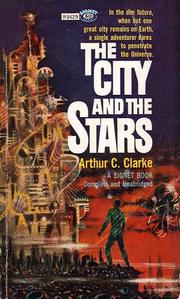
Arthur C. Clarke
1956 · 254 pages · 6 reviews
 Others: Mostly negative
Omnibus
What made the match, strongest first
Philip K. Dick
1965 · 233 pages · 6 reviews
Others: Overwhelmingly positiveThe Three Stigmata of Palmer Eldritch is a 1965 science fiction novel by Philip K. Dick. It was nominated for the Nebula Award for Best Novel in 1965.[1] The novel takes place in 2016. Under United Nations authority, humankind has colonized every habitable planet and moon in the Solar System. Like many of Dick's novels, it utilizes an array of science fiction concepts, features several layers of reality and unreality and philosophical ideas. It is one of Dick's first works to explore religious themes.
What made the match, strongest first
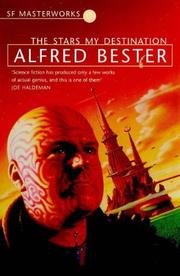
Alfred Bester
1956 · 236 pages · 8 reviews
Others: Overwhelmingly positiveIn this pulse-quickening novel, Alfred Bester imagines a future in which people "jaunte" a thousand miles with a single thought, where the rich barricade themselves in labyrinths and protect themselves with radioactive hitmen—and where an inarticulate outcast is the most valuable and dangerous man alive. The Stars My Destination is a classic of technological prophecy and timeless narrative enchantment by an acknowledged master of science fiction.
What made the match, strongest first
Loved itI've only read one of his books, More Than Human, but I loved it.
Loved itA really, really great novel. If you're into science fiction, make sure you read More Than Human.