 Loved it
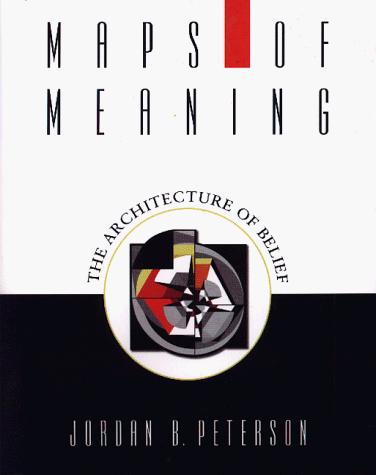
Jordan beat Peterson's maps of meaning was the best book for me personally as 2017 but I mean it's you know it's as in the most profound and life-changing or meaningful
Others: Positive Why have people from different cultures and eras formulated myths and stories with similar structures? What does this similarity tell us about the mind, morality, and structure of the world itself? From the author of 12 Rules for Life: An Antidote to Chaos comes a provocative hypothesis that explores the connection between what modern neuropsychology tells us about the brain and what rituals, myths, and religious stories have long narrated. A cutting-edge work that brings together neuropsychology, cognitive science, and Freudian and Jungian approaches to mythology and narrative, Maps of Meaning presents a rich theory that makes the wisdom and meaning of myth accessible to the critical modern mind.
Lists: …
Lowell Edmunds
1990 · 480 pages · 1 review
Others: PositiveSince the first edition of Approaches to Greek Myth as published in 1990, interest in Greek mythology has surged. There was no simple agreement on the subject of "myth" in classical antiquity, and there remains none today. Is myth a narrative or a performance? Can myth be separated from its context? What did myths mean to ancient Greeks and what do they mean today? Here, Lowell Edmunds brings together practitioners of eight of the most important contemporary approaches to the subject. Whether exploring myth from a historical, comparative, or theoretical perspective, each contributor lucidly describes a particular approach, applies it to one or more myths, and reflects on what the approach yields that others do not. Edmunds's new general and chapter-level introductions recontextualize these essays and also touch on recent developments in scholarship in the interpretation of Greek myth. -- from back cover.
Robert A. Segal
2004 · 170 pages · 1 review
 Others: Negative
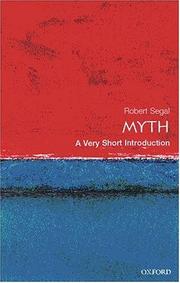
This work is not about myths, but about approaches to myth, from all of the major disciplines, including science, religion philosophy, literature, and psychology. The fate of the preternaturally beautiful Adonis is one of the main fables upon which Segal focuses.
T.S. Eliot
1922 · 73 pages · 1 review
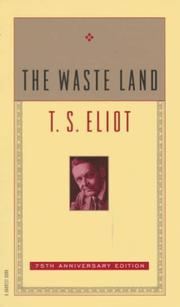
Others: Positive"THE WASTE LAND" BY T.S. ELIOT, A SEMINAL WORK OF MODERNIST POETRY, EXPLORES THEMES OF BROKENNESS, LOSS, AND THE MEANINGLESSNESS OF MODERN LIFE, USING FRAGMENTED LANGUAGE, ALLUSIONS, AND A NON-LINEAR STRUCTURE TO CONVEY ITS MESSAGE. KEY ASPECTS OF "THE WASTE LAND": THEMES: BROKENNESS AND ISOLATION: THE POEM DEPICTS A WORLD CHARACTERIZED BY ALIENATION, DESPAIR, AND LACK OF CONNECTION. DEATH AND REBIRTH: THE POEM EXPLORES THE CYCLICAL NATURE OF LIFE AND DEATH, WITH HINTS OF POTENTIAL RENEWAL AMIDST THE DESOLATION. RELIGION, SPIRITUALITY, AND NIHILISM: ELIOT GRAPPLES WITH THE DECLINE OF TRADITIONAL RELIGIOUS FAITH AND THE RISE OF NIHILISM IN THE MODERN WORLD. SEX, LUST, AND IMPOTENCE: POEM TOUCHES ON THEMES OF SEXUALITY, DESIRE, AND THE INABILITY TO FIND FULFILLMENT. MEMORY AND THE PAST: THE POEM USES FRAGMENTED MEMORIES AND ALLUSIONS TO PAST LITERARY WORKS TO CREATE A SENSE OF HISTORICAL CONTEXT AND DECAY. CONTEXTS: MODERNISM: "THE WASTE LAND" AQUINTESSENTIAL EXAMPLE OF MODERNIST POETRY, CHARACTERIZED BY ITS EXPERIMENTAL FORM, FRAGMENTED NARRATIVE, AND FOCUS ON THE SUBJECTIVE EXPERIENCE. WORLD WAR 1: THE POEM REFLECTS THE TRAUMA AND DISILLUSIONMENT OF THE FIRST WORLD WAR, WHICH LEFT A PROFOUND IMPACT ON THE POST-WAR GENERATION. LITERARY ALLUSIONS: ELIOT DRAWS HEAVILY ON A WIDE RANGE OF LITERARY SOURCES, INCLUDING CLASSICAL MYTHOLOGY, ARTHURIAN LEGENDS, AND RELIGIOUS TEXTS, TO CREATE A RICH TAPESTRY OF MEANING. CRITICISM: EZRA POUND, A FELLOW POET AND FRIEND OF ELIOT, PLAYED A CRUCIAL ROLE IN EDITING AND SHAPING THE POEM. NORTON CRITICAL EDITION: THE NORTON CRITICAL EDITION PROVIDES AN AUTHORITATIVE TEXT, CONTEXTUAL MATERIALS, AND CRITICAL ESSAYS TO AID READERS IN UNDERSTANDING THE POEM. RECEPTION: "THE WASTE LAND" HAS BEEN THE SUBJECT OF EXTENSIVE CRITICAL ANALYSIS AND DEBATE, WITH SCHOLARS OFFERING VARIOUS INTERPRETATIONS OF ITS MEANING AND SIGNIFICANCE. STRUCTURE AND STYLE: FRAGMENTED NARRATIVE: THE POEM'S STRUCTURE IS DELIBERATELY FRAGMENTED AND NON-LINEAR, REFLECTING THE DISJOINTED NATURE OF MODERN LIFE. FREE VERSE: ELIOT USES FREE VERSE, ABANDONING TRADITIONAL POETIC FORMS, TO CREATE A SENSE OF IMMEDIACY AND SPONTANEITY. MULTIPLE VOICES: THE POEM FEATURES A CHORUS OF VOICES, EACH CONTRIBUTING TO THE OVERALL SENSE OF DECAY AND FRAGMENTATION. IN SUMMARY: "THE WASTE LAND" IS A COMPLEX AND CHALLENGING POEM THAT CONTINUES TO RESONATE WITH READERS TODAY. IT EXPLORES THE THEMES OF BROKENNESS, LOSS, AND THE MEANINGLESSNESS OF MODERN LIFE THROUGH A UNIQUE BLEND OF FRAGMENTED LANGUAGE, ALLUSIONS, AND A NON-LINEAR STRUCTURE.
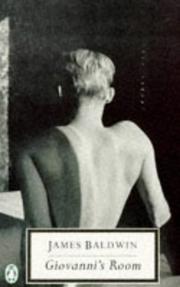
James Baldwin
1956 · 224 pages · 10 reviews
 Others: Overwhelmingly positive
Considered an 'audacious' second novel, GIOVANNI'S ROOM is set in the 1950s Paris of American expatriates, liaisons, and violence. This now-classic story of a fated love triangle explores, with uncompromising clarity, the conflicts between desire, conventional morality and sexual identity.
What made the match, strongest first
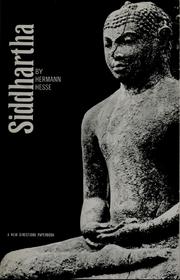
Hermann Hesse
1922 · 139 pages · 2 reviews
Others: Overwhelmingly positiveHermann Hesse wrote Siddhartha after he traveled to India in the 1910s. It tells the story of a young boy who travels the country in a quest for spiritual enlightenment in the time of Guatama Buddha. It is a compact, lyrical work, which reads like an allegory about the finding of wisdom.
What made the match, strongest first
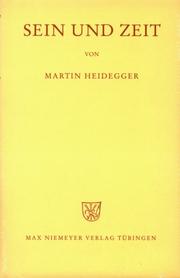
Martin Heidegger
1927 · 399 pages · 1 review
Others: PositiveWhat is the meaning of being?" This is the central question of Martin Heidegger's profoundly important work, in which the great philosopher seeks to explain the basic problems of existence. A central influence on later philosophy, literature, art, and criticism -- as well as existentialism and much of postmodern though.
What made the match, strongest first
Loved itJordan beat Peterson's maps of meaning was the best book for me personally as 2017 but I mean it's you know it's as in the most profound and life-changing or meaningful