


 Loved it
it's a really enjoyable novel it is just so entirely different from any other novel that i've ever read
Others: Positive Probably the most popular book in the history of the Far East, this classic combination of picaresque novel and folk epic mixes satire, allegory, and history into a rollicking tale. It is the story of the roguish Monkey and his encounters with major and minor spirits, gods, demigods, demons, ogres, monsters, and fairies.
Genres: historical fiction
Lists: …
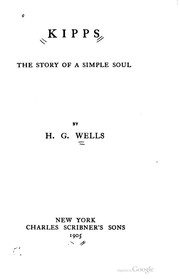
H.G. Wells
1900 · 381 pages · 2 reviews
Others: PositivePartly based on Wells’ own experiences as a young man this novel centres on an orphan who becomes apprenticed to a draper. Bored with his humdrum existence of living and working in a drapers, Kipps’ life changes radically when he inherits a fortune from a previously unknown relative. However more troubles occur when he attempts to emulate the people he encounters in upper class society.
What made the match, strongest first
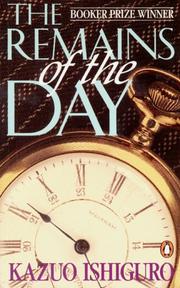
Kazuo Ishiguro
1989 · 245 pages · 7 reviews
Others: Mostly positiveIn the summer of 1956, Stevens, the ageing butler of Darlington Hall, embarks on a leisurely holiday that will take him deep into the countryside and into his past . . .A contemporary classic, The Remains of the Day is Kazuo Ishiguro's beautiful and haunting evocation of life between the wars in a Great English House, of lost causes and lost love.
What made the match, strongest first
Charlotte Brontë
1800 · 603 pages · 3 reviews
 Others: Overwhelmingly positive
Shirley, published in 1849, was Charlotte Brontë’s second novel after Jane Eyre. Published under her pseudonym of “Currer Bell,” it differs in several respects from that earlier work. It is written in the third person with an omniscient narrator, rather than the first-person of Jane Eyre, and incorporates the themes of industrial change and the plight of unemployed workers. It also features strong pleas for the recognition of women’s intellect and right to their independence of thought and action. Set in the West Riding of Yorkshire during the Napoleonic period of the early 19th Century, the novel describes the confrontations between textile manufacturers and organized groups of workers protesting the introduction of mechanical looms. Three characters stand out: Robert Moore, a mill-owner determined to introduce modern methods despite sometimes violent opposition; his young cousin Caroline Helstone, who falls deeply in love with Robert; and Shirley Keeldar, a rich heiress who comes to live in the estate of Fieldhead, on whose land Robert’s mill stands. Robert’s business is in trouble, not so much because of the protests of the workers but because of a government decree which prevents him selling his finished cloth overseas during the duration of the war with Napoleon. He receives a loan from Miss Keeldar, and her interest in him seems to be becoming a romantic one, much to the distress of Caroline, who pines away for lack of any sign of affection from Robert. Shirley Keeldar is a remarkable female character for the time: strong, very independent-minded, dismissive of much of the standard rules of society, and determined to decide on her own future. Interestingly, up to this point, the name “Shirley” was almost entirely a male name; Shirley’s parents had hoped for a boy. Such was the success of Brontë’s novel, however, that it became increasingly popular as a female name and is now almost exclusively so. Although never as popular or successful as the more classically romantic Jane Eyre, Shirley is nevertheless now highly regarded by critics.
What made the match, strongest first
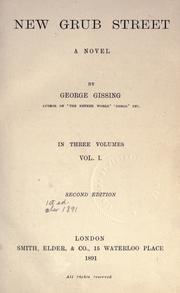
George Gissing
1891 · 520 pages · 1 review
Others: Positive"New Grub Street portrays the intrigues and hardships of the publishing world in late Victorian England. In a materialistic, class-conscious society that rewards commercial savvy over artistic achievement, authors and scholars struggle to earn a living without compromising their standards. "Even as the novel chills us with its still-recognizable portrayal of the crass and vulgar world of literary endeavor," writes Francine Prose in her Introduction, "its very existence provides eloquent, encouraging proof of the fact that a powerful, honest writer can transcend the constraints of commerce."" "This Modern Library Paperback Classic is set from the text of the 1891 first edition."--Jacket.
What made the match, strongest first
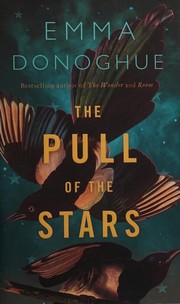
Emma Donoghue
2020 · 304 pages · 2 reviews
Others: Overwhelmingly positiveIn an Ireland doubly ravaged by war and disease, Nurse Julia Power works at an understaffed hospital in the city center, where expectant mothers who have come down with the terrible new Flu are quarantined together. Into Julia's regimented world step two outsiders -- Doctor Kathleen Lynn, a rumoured Rebel on the run from the police , and a young volunteer helper, Bridie Sweeney. In the darkness and intensity of this tiny ward, over three days, these women change each other's lives in unexpected ways. They lose patients to this baffling pandemic, but they also shepherd new life into a fearful world. With tireless tenderness and humanity, carers and mothers alike somehow do their impossible work. In The Pull of the Stars, Emma Donoghue once again finds the light in the darkness in this new classic of hope and survival against all odds.
What made the match, strongest first
Sarah Waters
2002 · 554 pages · 12 reviews
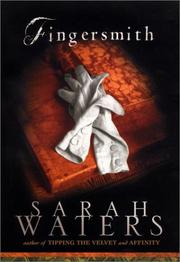
Others: Overwhelmingly positiveSue Trinder is an orphan, left as an infant in the care of Mrs. Sucksby, a "baby farmer," who raised her with unusual tenderness, as if Sue were her own. Mrs. Sucksby’s household, with its fussy babies calmed with doses of gin, also hosts a transient family of petty thieves—fingersmiths—for whom this house in the heart of a mean London slum is home. One day, the most beloved thief of all arrives—Gentleman, an elegant con man, who carries with him an enticing proposition for Sue: If she wins a position as the maid to Maud Lilly, a naive gentlewoman, and aids Gentleman in her seduction, then they will all share in Maud’s vast inheritance. Once the inheritance is secured, Maud will be disposed of—passed off as mad, and made to live out the rest of her days in a lunatic asylum. With dreams of paying back the kindness of her adopted family, Sue agrees to the plan. Once in, however, Sue begins to pity her helpless mark and care for Maud Lilly in unexpected ways...But no one and nothing is as it seems in this Dickensian novel of thrills and reversals.The New York Times Book Review has called Sarah Waters a writer of "startling power" and The Seattle Times has praised her work as "gripping, astute fiction that feeds the mind and the senses." Fingersmith marks a major leap forward in this young and brilliant career.
What made the match, strongest first
Loved itit's a really enjoyable novel it is just so entirely different from any other novel that i've ever read