
 Loved it
i was immediately captivated by these stories they are so well written so imaginative and very much in that vein of traditional fairy tales
Review 1 of 3
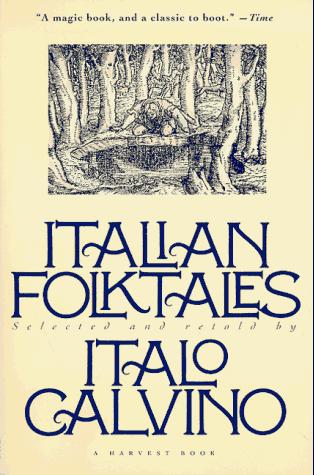
Others: Positive Chosen as one of the New York Times's ten best books in the year of its original publication, this collection immediately won a cherished place among lovers of the tale and vaulted Calvino into the ranks of the great folklorists. Introduction by the Author illustrations. Translated by George Martin. A Helen and Kurt Wolff Book.
Lists: …
Kenneth Patchen
1972 · 137 pages · 1 review
Others: PositiveA collection of abstracted prose stories with illustrations.
Lowell Edmunds
2015 · 448 pages · 1 review
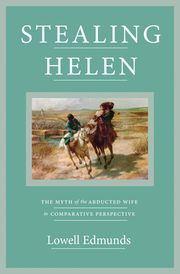
Others: PositiveIt's a familiar a beautiful woman is abducted and her husband journeys to recover her. This story’s best-known incarnation is also a central Greek myth―the abduction of Helen that led to the Trojan War. Stealing Helen surveys a vast range of folktales and texts exhibiting the story pattern of the abducted beautiful wife and makes a detailed comparison with the Helen of Troy myth. Lowell Edmunds shows that certain Sanskrit, Welsh, and Old Irish texts suggest there was an Indo-European story of the abducted wife before the Helen myth of the Iliad became known. Investigating Helen’s status in ancient Greek sources, Edmunds argues that if Helen was just one trope of the abducted wife, the quest for Helen’s origin in Spartan cult can be abandoned, as can the quest for an Indo-European goddess who grew into the Helen myth. He explains that Helen was not a divine essence but a narrative figure that could replicate itself as needed, at various times or places in ancient Greece. Edmunds recovers some of these narrative Helens, such as those of the Pythagoreans and of Simon Magus, which then inspired the Helens of the Faust legend and Goethe. Stealing Helen offers a detailed critique of prevailing views behind the "real" Helen and presents an eye-opening exploration of the many sources for this international mythical and literary icon.
What made the match, strongest first
Mariana Enríquez
2016 · 213 pages · 7 reviews
Others: Mostly positiveA haunting collection of short stories all set in Argentina.
What made the match, strongest first
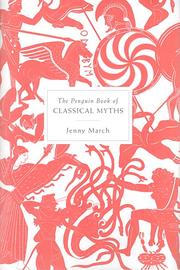
Jennifer R. March
2008 · 590 pages · 1 review
Others: PositiveWith illustrations and maps of legendary Greece and of the constellations, this text is a vivid and colourful guide to the world's most unforgettable myths and legends.
What made the match, strongest first
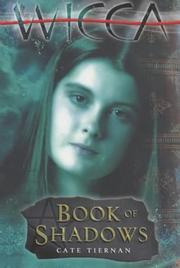
Cate Tiernan
2001 · 187 pages · 2 reviews
Others: PositiveMorgan and her best friend, Bree, are introduced to Wicca when a gorgeous senior named Cal invites them to join his new coven. Morgan falls for Cal immediately— and discovers that she has strong,inexplicable powers.
What made the match, strongest first
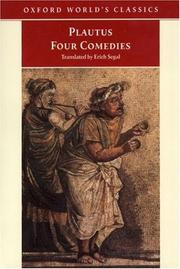
Titus Maccius Plautus
1996 · 242 pages · 1 review
Others: PositiveThe first professional playwright in history, Plautus was the creator of racy, raucous, very funny plays that will make modern audiences laugh as much as the first Romans did. Plautus was the single greatest influence on Western comedy. Shakespeare's Comedy of Errors and Moliere's The Miser are two subsequent classics directly based on Plautine originals. Plautus himself borrowed from the Greeks, but his jokes, rapid dialogue, bawdy humour, and irreverent characterizations are the original work of an undisputed genius. The comedies printed here show him at his best, and Professor Segal's translations keep their fast, rollicking pace intact, making these the most readable and actable versions available. His Introduction considers Plautus' place in ancient comedy, examines his continuing influence, and celebrates his power to entertain.
What made the match, strongest first
Loved iti was immediately captivated by these stories they are so well written so imaginative and very much in that vein of traditional fairy tales