

 Loved it
I would say this would be one of my like first recommendations to anyone looking to read non-fiction on feminism because I think it really perfectly encapsulates what modern feminism needs to be.
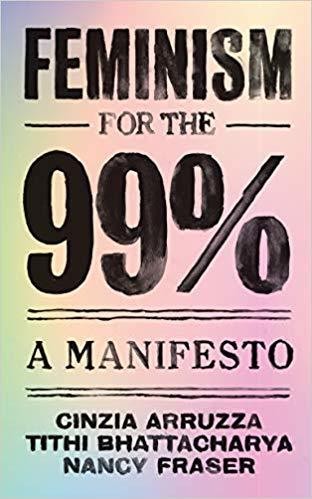
Others: Positive Unaffordable housing, poverty wages, inadequate healthcare, border policing, climate change—these are not what you ordinarily hear feminists talking about. But aren’t they the biggest issues for the vast majority of women around the globe? Taking as its inspiration the new wave of feminist militancy that has erupted globally, this manifesto makes a simple but powerful case: feminism shouldn’t start—or stop—with the drive to have women represented at the top of their professions. It must focus on those at the bottom, and fight for the world they deserve. And that means targeting capitalism. Feminism must be anticapitalist, eco-socialist and antiracist.
Genres: nonfiction
Lists: …
Katherine Angel
2021 · 144 pages · 2 reviews
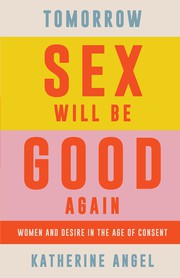
Others: Leaning positiveA provocative, elegantly written analysis of female desire, consent, and sexuality in the age of MeToo Women are in a bind. In the name of consent and empowerment, they must proclaim their desires clearly and confidently. Yet sex researchers suggest that women’s desire is often slow to emerge. And men are keen to insist that they know what women—and their bodies—want. Meanwhile, sexual violence abounds. How can women, in this environment, possibly know what they want? And why do we expect them to? In this elegant, searching book—spanning science and popular culture; pornography and literature; debates on Me-Too, consent and feminism—Katherine Angel challenges our assumptions about women’s desire. Why, she asks, should they be expected to know their desires? And how do we take sexual violence seriously, when not knowing what we want is key to both eroticism and personhood? In today’s crucial moment of renewed attention to violence and power, Angel urges that we remake our thinking about sex, pleasure, and autonomy without any illusions about perfect self-knowledge. Only then will we fulfil Michel Foucault’s teasing promise, in 1976, that “tomorrow sex will be good again.”
What made the match, strongest first
Emma Southon
2020 · 320 pages · 1 review
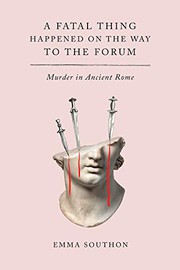
Others: PositiveIn Ancient Rome all the best stories have one thing in common - murder. Romulus killed Remus to found the city; Caesar was assassinated to save the Republic. Caligula was butchered in the theatre, Claudius was poisoned at dinner and Galba was beheaded in the forum. In one fifty-year period, twenty-six emperors were murdered. But what did killing mean in a city where gladiators fought to the death to sate a crowd? Emma Southon examines real-life homicides from Roman history to explore how perpetrator, victim and the act itself were regarded by ordinary people. Inside Ancient Rome's unique culture of crime and punishment, we see how the Romans viewed life, death, and what it means to be human.
What made the match, strongest first
Owen Davies
2017 · 310 pages · 1 review
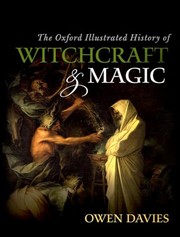
Others: PositiveThis richly illustrated history provides a readable and fresh approach to the extensive and complex story of witchcraft and magic. Telling the story from the dawn of writing in the ancient world to the globally successful Harry Potter films, the authors explore a wide range of magical beliefs and practices, the rise of the witch trials, and the depiction of the Devil-worshipping witch. The book also focuses on the more recent history of witchcraft and magic, from the Enlightenment to the present, exploring the rise of modern magic, the anthropology of magic around the globe, and finally the cinematic portrayal of witches and magicians, from The Wizard of Oz to Charmed and Buffy the Vampire Slayer.
What made the match, strongest first
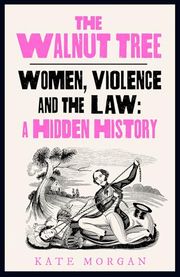
Kate Morgan
2024 · 320 pages · 2 reviews
Others: PositiveA Waterstones Best History Book 2024'Compulsively readable' – Times Literary Supplement 'An outstanding work' – Philippa Gregory 'A powerful narrative told with frankness and sensitivity' – Helen Fry, historian and author of Women In Intelligence 'A woman, a dog and a walnut tree, the more they are beaten, the better they’ll be.'So went the proverb quoted by a prominent MP in the Houses of Parliament in 1853. His words – intended ironically in a debate about a rise in attacks on women – summed up the prevailing attitude of the day, in which violence against women was waved away as a part and parcel of modern living – a chilling seam of misogyny that had polluted both parliament and the law. But were things about to change? In this vivid and essential work of historical non-fiction, Kate Morgan explores the legal campaigns, test cases and individual injustices of the Victorian and Edwardian eras which fundamentally re-shaped the status of women under British law. These are seen through the untold stories of women whose cases became cornerstones of our modern legal system and shine a light on the historical inequalities of the law. We hear of the uniquely abusive marriage which culminated in the dramatic story of the ‘Clitheroe wife abduction’; of the domestic tragedies which changed the law on domestic violence; the controversies surrounding the Contagious Diseases Act and the women who campaigned to abolish it; and the real courtroom stories behind notorious murder cases such as the ‘Camden Town Murder’. Exploring the 19th- and early 20th Century legal history that influenced the modern-day stances on issues such as domestic abuse, sexual violence and divorce, The Walnut Treelifts the lid on the shocking history of women under British law – and what it means for women today.
What made the match, strongest first
Angela Y. Davis
1981 · 271 pages · 2 reviews
 Others: Overwhelmingly positive
Longtime activist, author and political figure Angela Davis brings us this expose of the women's movement in the context of the fight for civil rights and working class issues. She uncovers a side of the fight for suffrage many of us have not heard: the intimate tie between the anti-slavery campaign and the struggle for women's suffrage. She shows how the racist and classist bias of some in the women's movement have divided its own membership. Davis' message is clear: If we ever want equality, we're gonna have to fight for it together.
What made the match, strongest first
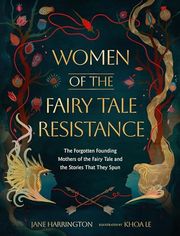
Jane Harrington
2025 · 240 pages · 1 review
Others: PositiveLong before The Brothers Grimm, there was a sisterhood of writers who defied the patriarchy and launched a literary craze with their feminist fairy tales—these are their stories. In 17th century Paris, a group of women who called themselves conteuses (female storytellers) came together to weave the very first fairy tales. One of them, Marie-Catherine d’Aulnoy, coined the term ‘fairy tale,’ and some of these stories contain many familiar elements that appear in tales like Rapunzel and Beauty and the Beast. Unfortunately, these women and their tales have mostly been forgotten to history.Women of the Fairytale Resistance uncovers seven of these writer’s biographies—which are just as compelling as their fairy tales—and retells 12 of their original stories. The women were mostly young noblewomen who were forced into undesirable marriages and did not have the freedom to give their opinions, travel, or choose who they wanted to love. They used their stories as a way of subtly complaining about their husbands and critiquing the oppressive reign of King Louis XIV. The female-empowering, gender-bending tales combine themes like romance, fantasy, escapism, and their protagonists control of their own destiny—something the writers deeply desired in their own lives. Enchantingly designed with stunning full color illustrations throughout, this unique and entertaining book will have you rethink everything you know about traditional fairy tales.
What made the match, strongest first
Loved itI would say this would be one of my like first recommendations to anyone looking to read non-fiction on feminism because I think it really perfectly encapsulates what modern feminism needs to be.