
 Mixed
This was fine. I think this was much more viby and like sort of beautiful writing, but for what? Like it's not really giving as much. So, I gave this about three stars. There was some stuff in here that I was interested in, but nah.
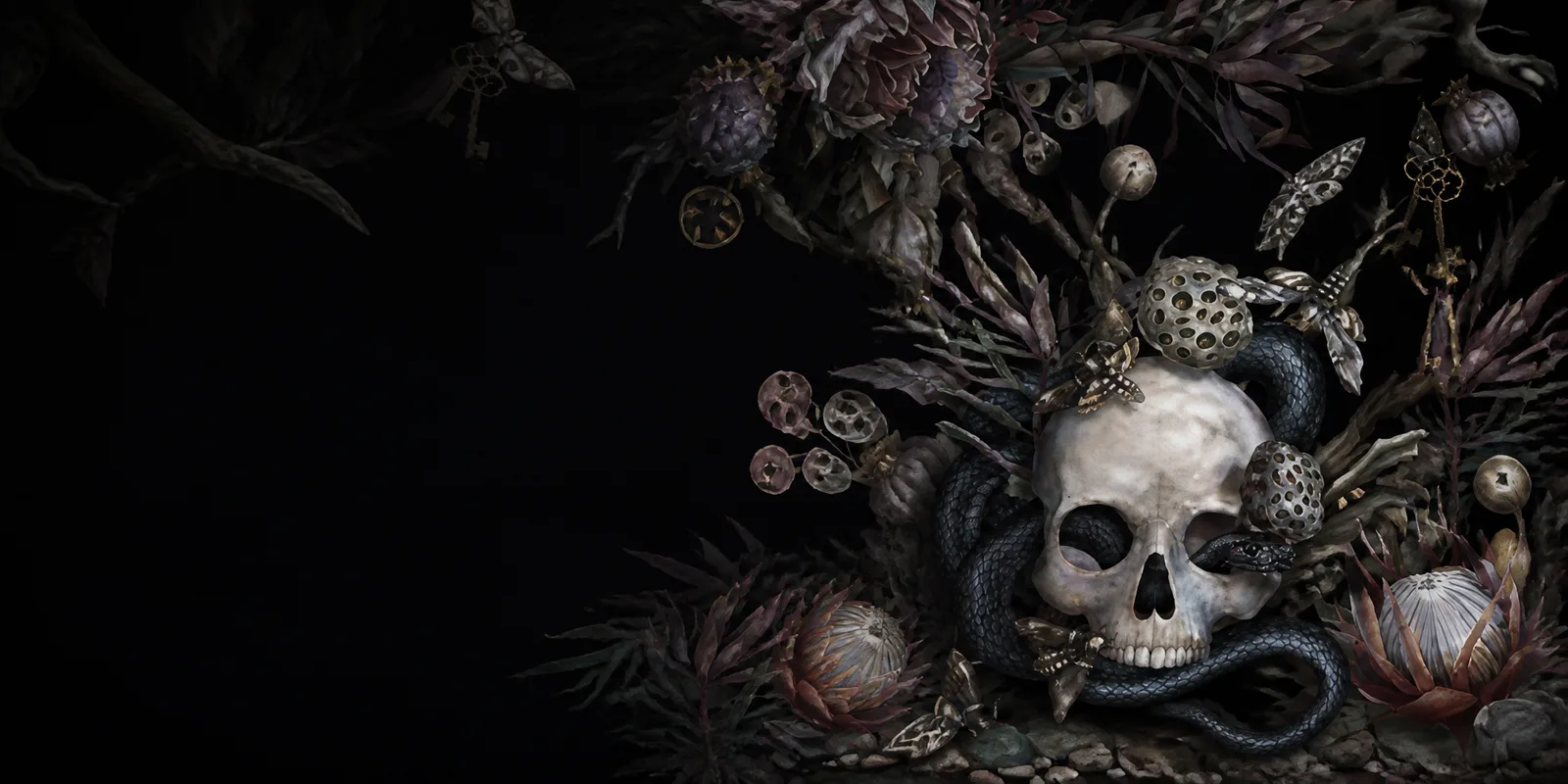
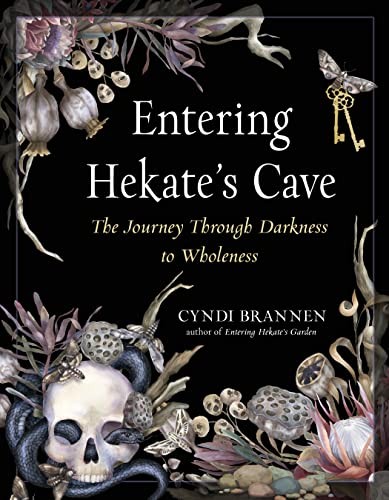
Others: Mixed An in-depth spiritual journey through the truths and traumas of one’s past to a rebirth and renewal of personal wholeness. To the ancients, the goddess Hekate symbolized the inner journey back to the soul. Indeed, ancient philosophers identified her as Anima Mundi, the “soul of the world.” As such, she connects many archetypes associated with the cycle of life, death, and rebirth. From her role as protector of roadways to her power as the bringer of death, she offers us keys for healing. Incorporating her personal experiences with those of her students, Cyndi Brannen weaves a supporting circle around the reader as they start their path towards soulful living, culminating in rebirth. Blending symbolism, transcendent experiences, dreams, and natural magic with sound psychological theories and practices, Entering Hekate’s Cave guides the reader safely through the journey back to the soul.
Genres: nonfiction
Lists: …
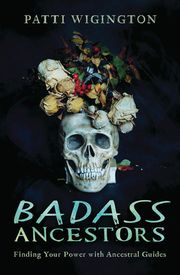
Patti Wigington
2020 · 256 pages · 1 review
Others: MixedCultivate Relationships with Your People for Empowerment and Healing This groundbreaking book shows you how to work with different types of ancestors to find, develop, and celebrate the personal power of your inner badass. By embracing the strength of your lineage―both blood relatives and those chosen by the heart―you can receive wisdom and guidance when you need it the most. Badass Ancestors provides a compelling series of rituals, meditations, mantras, and exercises that connect you with ancestral guides. You'll discover advice on genealogy research, the history of ancestor veneration in cultures around the world, ways to deal with problematic ancestors, and how to leave your own legacy for future generations. Each chapter offers unique calls to action―including crafts and recipes―that help you build self-confidence and overall badassery with your ancestors' assistance. When you develop relationships with your relatives and with spiritual or archetypal ancestors, you engage the process of healing trauma and achieving a deep sense of emotional and spiritual well-being.
What made the match, strongest first
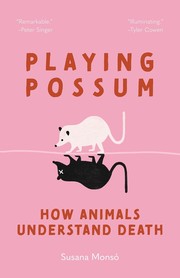
Susana Monsó
2024 · 264 pages · 1 review
Others: MixedHow animals conceive of death and dying—and what it can teach us about our own relationships with mortality When the opossum feels threatened, she becomes paralyzed. Her body temperature plummets, her breathing and heart rates drop to a minimum, and her glands simulate the smell of a putrefying corpse. Playing Possum explores what the opossum and other creatures can teach us about how we and other species understand mortality, and demonstrates that the concept of death, far from being a uniquely human attribute, is widespread in the animal kingdom. With humor and empathy, Susana Monsó tells the stories of ants who attend their own funerals, chimpanzees who clean the teeth of their dead, dogs who snack on their caregivers, crows who avoid the places where they saw a carcass, elephants obsessed with collecting ivory, and whales who carry their dead for weeks. Monsó, one of today’s leading experts on animal cognition and ethics, shows how there are more ways to conceive of mortality than the human way, and challenges the notion that the only emotional reactions to death worthy of our attention are ones that resemble our own. Blending philosophical insight with new evidence from behavioral science and comparative psychology, Playing Possum dispels the anthropocentric biases that cloud our understanding of the natural world, and reveals that, when it comes to death and dying, we are just another animal.
What made the match, strongest first
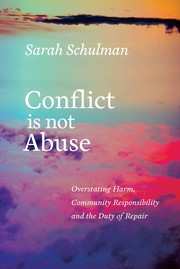
Sarah Schulman
2016 · 294 pages · 2 reviews
 Others: Leaning negative
From intimate relationships to global politics, Sarah Schulman observes a continuum: that inflated accusations of harm are used to avoid accountability. Illuminating the difference between Conflict and Abuse, Schulman directly addresses our contemporary culture of scapegoating. This deep, brave, and bold work reveals how punishment replaces personal and collective self-criticism, and shows why difference is so often used to justify cruelty and shunning. Rooting the problem of escalation in negative group relationships, Schulman illuminates the ways cliques, communities, families, and religious, racial, and national groups bond through the refusal to change their self-concept. She illustrates how Supremacy behavior and Traumatized behavior resemble each other, through a shared inability to tolerate difference. This important and sure to be controversial book illuminates such contemporary and historical issues of personal, racial, and geo-political difference as tools of escalation towards injustice, exclusion, and punishment, whether the objects of dehumanization are other individuals in our families or communities, people with HIV, African Americans, or Palestinians. Conflict Is Not Abuse is a searing rejection of the cultural phenomenon of blame, cruelty, and scapegoating, and how those in positions of power exacerbate and manipulate fear of the "other" to achieve their goals.
What made the match, strongest first
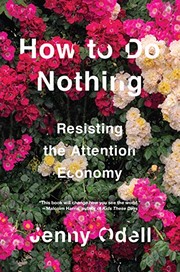
Jenny Odell
2019 · 256 pages · 3 reviews
Others: MixedNothing is harder to do these days than nothing. But in a world where our value is determined by our 24/7 data productivity . . . doing nothing may be our most important form of resistance. So argues artist and critic Jenny Odell in this field guide to doing nothing (at least as capitalism defines it). Odell sees our attention as the most precious—and overdrawn—resource we have. Once we can start paying a new kind of attention, she writes, we can undertake bolder forms of political action, reimagine humankind’s role in the environment, and arrive at more meaningful understandings of happiness and progress. Far from the simple anti-technology screed, or the back-to-nature meditation we read so often, How to do Nothing is an action plan for thinking outside of capitalist narratives of efficiency and techno-determinism. Provocative, timely, and utterly persuasive, this book is a four-course meal in the age of Soylent.
What made the match, strongest first
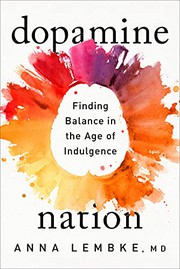
Anna Lembke
2021 · 304 pages · 1 review
Others: Mixed"Resettling Your Brain in the Age of Cheap Pleasures"-- We are living in a time of unprecedented access to high-reward, high-dopamine stimuli: drugs, food, news, gambling, shopping, gaming, texting, sexting. The smartphone is the modern-day hypodermic needle, delivering digital dopamine 24/7 for a wired generation. Lembke explores new scientific discoveries that explain why the relentless pursuit of pleasure leads to pain-- and what to do about it. She illustrates how finding contentment and connectedness means keeping dopamine in check. The secret to finding balance is combining the science of desire with the wisdom of recovery. -- adapted from jacket
What made the match, strongest first
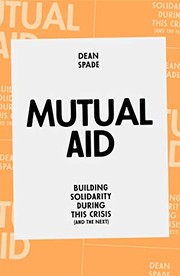
Dean Spade
2020 · 128 pages · 2 reviews
 Others: Leaning positive
Around the world, people are faced with crisis after crisis, from the COVID-19 pandemic and climate change-induced fires, floods, and storms to the ongoing horrors of mass incarceration, brutal immigration enforcement, endemic gender violence, and severe wealth inequality. As governments fail to respond to—or actively engineer—each crisis, ordinary people are finding bold and innovative ways to share resources and support vulnerable members of their communities. This survival work, when done alongside social movement demands for transformative change, is called mutual aid. This book is about mutual aid: why it is so important, what it looks like, and how to do it. It provides a grassroots theory of mutual aid, describes how mutual aid has been a part of all larger, powerful social movements, and offers concrete tools for organizing, such as how to work in groups, decision-making process, how to prevent and address conflict, and how to deal with burnout. Mutual aid isn’t charity: it’s a form of organizing where people get to create new systems of care and generosity so we can survive.
What made the match, strongest first
MixedThis was fine. I think this was much more viby and like sort of beautiful writing, but for what? Like it's not really giving as much. So, I gave this about three stars. There was some stuff in here that I was interested in, but nah.