
 Loved it
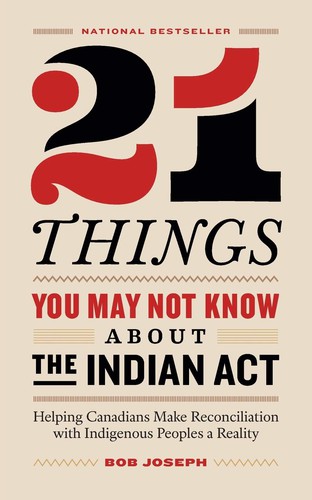
this one that I read and loved a couple years ago, 21 Things You May Up on the Indian Act.
Review 1 of 2
Others: Positive A guide to understanding the Indian Act and its impact on generations of Indigenous Peoples, as well as an examination of how Indigenous Peoples can return to self-government, self-determination, and self-reliance.
Genres: nonfiction
Lists: …
Angela Y. Davis
2003 · 128 pages · 2 reviews
Others: PositiveAmid rising public concern about the proliferation and privatization of prisons, and their promise of enormous profits, world-renowned author and activist Angela Y. Davis argues for the abolition of the prison system as the dominant way of responding to America's social ills. publisher (allegedly)
What made the match, strongest first
Bob Joseph
2025 · 200 pages · 1 review
Others: PositiveBob Joseph's 21 Things® You May Not Know About the Indian Act captured the attention of hundreds of thousands of Canadians by shining a light on the Indian Act and the problems associated with it. In that book, readers learned that the Consolidated Indian Act of 1876 has controlled the lives of Indigenous Peoples in Canada for generations, and despite its objective to assimilate Indians into the economic and political mainstream, it has had the opposite effect: segregation. They live under different laws and on different lands. People came away from that book with questions such as "Can we get rid of the Indian Act?" and "What would that look like? Would self-government work?" These are timely questions, given that 2026 will mark 150 years since the Consolidated Indian Act of 1876. The short answer to these questions is, yes, we can dismantle the Act, and there are current examples of self-government arrangements that are working. With his trademark wisdom, humility, and deep understanding, Bob Joseph shows us the path forward, in which Indigenous self-governance is already happening and not to be feared--and negotiating more such arrangements, sooner rather than later, is an absolute necessity. Beginning with the relationship between Indigenous Peoples, the Crown, and settlers in at the early days of colonization, Joseph travels to the current landscape and the tremendous possibility for reconciliation--a future every Canadian can support. He illustrates the widespread negative consequences of the reserve system that can only be redressed by self-government. With insight and clarity, he busts myths about taxation, the so-called benefits of the Indian Act, and the trustee-wardship relationship. And he provides inspiring examples of how self-government agreements are working well, from the Nisga'a Final Agreement to the James Bay and Northern Quebec Agreement, while showing how key the United Nations Declaration on the Rights of Indigenous Peoples is to defining what sovereignty really means. 21 Things You Need to Know About Indigenous Self-Government: A Conversation about Dismantling the Indian Act illuminates what Canadians need to know to stand in the work of reconciliation as individuals, as organizations, and as a country of many nations. Bob Joseph shows us a way forward with his trademark wisdom, humility, and deep understanding, Indigenous self-governance is not only a possibility, but an absolute necessity.
What made the match, strongest first
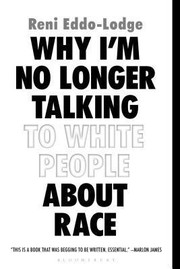
Reni Eddo-Lodge
2017 · 272 pages · 4 reviews
 Others: Overwhelmingly positive
In 2014, award-winning journalist Reni Eddo-Lodge wrote on her blog about her frustration with the way that discussions of race and racism in Britain were being led by those who weren't affected by it. Her words hit a nerve. The post went viral and comments flooded in from others desperate to speak up about their own experiences. Galvanised, she decided to dig into the source of these feelings. Exploring issues from eradicated black history to the inextricable link between class and race, Reni Eddo-Lodge has written a searing, illuminating, absolutely necessary examination of what it is to be a person of colour in Britain today --
What made the match, strongest first
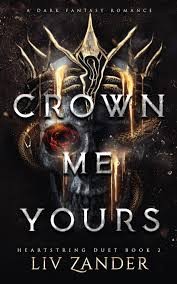
Liv Zander
2026 · 280 pages · 1 review
 Others: Neutral
THE UNFORGETTABLE FINALE TO THE #1 BESTSELLING DUET THAT WILL WRECK YOU, HEAL YOU, AND HAUNT YOU. Wed him. Bed him. Slit his throat. I killed the king. Crowned myself in his blood, But the curse still festers. To break it, I need Death, on his knees, a ring on his finger. My blade at his throat. The god fights me to the grave, evades my touch, mocks my wanting. He would rather tear himself apart than let me close enough to end this. But I didn't come this far to lose. I came to crown him mine. Welcome to your wedding, my love. Darkly seductive, exquisitely written, and deeply emotional, the Heartstring Duet is a breathtaking tale of forbidden love, impossible choices, and hard-won hope that will break your heart and put it back together again. Crown Me Yours is book two in the dark fantasy romance Heartstring Duet. The world contains deception, mystery, violence, dark elements, and mature content. What this book doesn’t contain is a hero (because villains do it better). You can find more detailed information at Liv Zander's website.
What made the match, strongest first
Angela Y. Davis
1981 · 271 pages · 2 reviews
Others: Overwhelmingly positiveLongtime activist, author and political figure Angela Davis brings us this expose of the women's movement in the context of the fight for civil rights and working class issues. She uncovers a side of the fight for suffrage many of us have not heard: the intimate tie between the anti-slavery campaign and the struggle for women's suffrage. She shows how the racist and classist bias of some in the women's movement have divided its own membership. Davis' message is clear: If we ever want equality, we're gonna have to fight for it together.
What made the match, strongest first
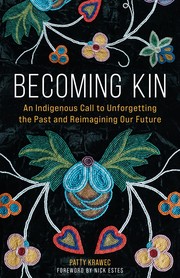
Patty Krawec
2022 · 1 review
 Others: Mixed
Included in the Lakota People's Law Project Decolonized Reading List for 2025 We find our way forward by going back. The invented history of the Western world is crumbling fast, Anishinaabe writer Patty Krawec says, but we can still honor the bonds between us. Settlers dominated and divided, but Indigenous peoples won't just send them all "home." Weaving her own story with the story of her ancestors and with the broader themes of creation, replacement, and disappearance, Krawec helps readers see settler colonialism through the eyes of an Indigenous writer. Settler colonialism tried to force us into one particular way of living, but the old ways of kinship can help us imagine a different future. Krawec asks, What would it look like to remember that we are all related? How might we become better relatives to the land, to one another, and to Indigenous movements for solidarity? Braiding together historical, scientific, and cultural analysis, Indigenous ways of knowing, and the vivid threads of communal memory, Krawec crafts a stunning, forceful call to "unforget" our history. This remarkable sojourn through Native and settler history, myth, identity, and spirituality helps us retrace our steps and pick up what was lost along the chances to honor rather than violate treaties, to see the land as a relative rather than a resource, and to unravel the history we have been taught.
What made the match, strongest first
Loved itthis one that I read and loved a couple years ago, 21 Things You May Up on the Indian Act.