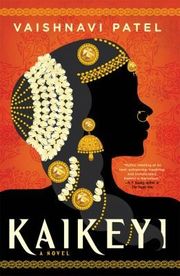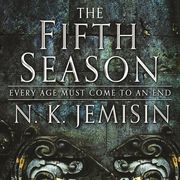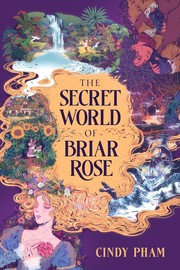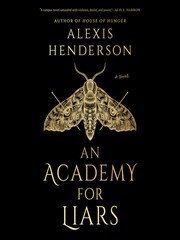
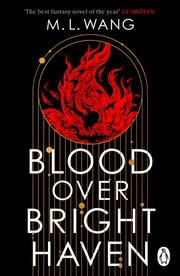
Some of my favorite {quote} commercialfantasy books challenge the idea of clear good versus evil or a hero'sjourney or a fight against the oppressive enemy. Books like N.K.Jemisin's The Fifth Season, which is a bit of a climate fantasy and has perhapsthe most layered characters and fascinating world, or Vaishnavi Patel'sKaikeyi, which reimagines one of the most famous Indian epics from theperspective of the evil stepmother character, or Emma Wang's Blood OverBright Haven, which satirizes the patronizing benevolent colonizer, orCindy Pham's The Secret World of Briar Rose, which challenges the flatness offairy tales and their heteronormativity, or Alexis Henderson's An Academy forLiars, which defines a magic system built on existing threads of power inour real world.
The Mass-Production of Escapist Genre Fiction | Tropes, Content Warnings, and the Classism of "Cozy"
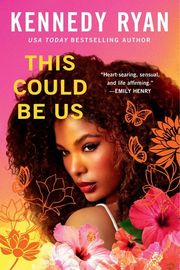
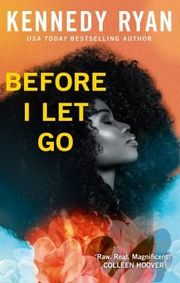
And this is one of the reasonswhy I love Kennedy Ryan's romance books, especially Before I Let Go, This CouldBe Us, and Can't Get Enough. Because yes, she adheres to the conventions ofthe romance genre, but that doesn't mean she shies away from the difficultsubject matter or other traumas and experiences that the characters could bedealing with.
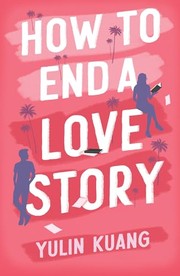
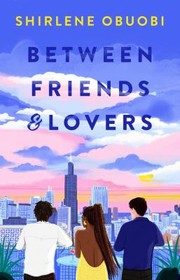
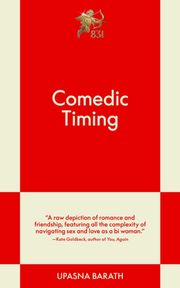
I feel the same about Tia Williams' Seven Days in June, ShirleyNoble Obby's Between Friends and Lovers, Yulin Kuang's How to End a Love Story,or Upasna Barik's Comedic Timing.
Some of my favorite {quote} commercialfantasy books challenge the idea of clear good versus evil or a hero'sjourney or a fight against the oppressive enemy. Books like N.K.Jemisin's The Fifth Season, which is a bit of a climate fantasy and has perhapsthe most layered characters and fascinating world, or Vaishnavi Patel'sKaikeyi, which reimagines one of the most famous Indian epics from theperspective of the evil stepmother character, or Emma Wang's Blood OverBright Haven, which satirizes the patronizing benevolent colonizer, orCindy Pham's The Secret World of Briar Rose, which challenges the flatness offairy tales and their heteronormativity, or Alexis Henderson's An Academy forLiars, which defines a magic system built on existing threads of power inour real world.
Or Monisha Thawani's Burn the Sea, which challenges genderconventions of the genre and deals with the politics of standing with integrity.
And this is one of the reasonswhy I love Kennedy Ryan's romance books, especially Before I Let Go, This CouldBe Us, and Can't Get Enough. Because yes, she adheres to the conventions ofthe romance genre, but that doesn't mean she shies away from the difficultsubject matter or other traumas and experiences that the characters could bedealing with.
I feel the same about Tia Williams' Seven Days in June, ShirleyNoble Obby's Between Friends and Lovers, Yulin Kuang's How to End a Love Story,or Upasna Barik's Comedic Timing.
Some of my favorite {quote} commercialfantasy books challenge the idea of clear good versus evil or a hero'sjourney or a fight against the oppressive enemy. Books like N.K.Jemisin's The Fifth Season, which is a bit of a climate fantasy and has perhapsthe most layered characters and fascinating world, or Vaishnavi Patel'sKaikeyi, which reimagines one of the most famous Indian epics from theperspective of the evil stepmother character, or Emma Wang's Blood OverBright Haven, which satirizes the patronizing benevolent colonizer, orCindy Pham's The Secret World of Briar Rose, which challenges the flatness offairy tales and their heteronormativity, or Alexis Henderson's An Academy forLiars, which defines a magic system built on existing threads of power inour real world.
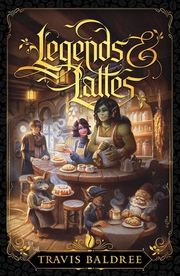
In Legends & Lattes, it's the people that come to the coffeeshop and the sharing the love of coffee with other people, that is what makes itcozy.
I feel the same about Tia Williams' Seven Days in June, ShirleyNoble Obby's Between Friends and Lovers, Yulin Kuang's How to End a Love Story,or Upasna Barik's Comedic Timing.
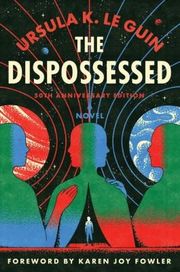
In2015, sci-fi fantasy writer Ursula K. Le Guin, who has written incredibleliterary works like The Dispossessed, famously wrote a blog post titled, "AreThey Going to Say This Is Fantasy?"
Books like N.K.Jemisin's The Fifth Season, which is a bit of a climate fantasy and has perhapsthe most layered characters and fascinating world, or Vaishnavi Patel'sKaikeyi, which reimagines one of the most famous Indian epics from theperspective of the evil stepmother character, or Emma Wang's Blood OverBright Haven, which satirizes the patronizing benevolent colonizer, orCindy Pham's The Secret World of Briar Rose, which challenges the flatness offairy tales and their heteronormativity, or Alexis Henderson's An Academy forLiars, which defines a magic system built on existing threads of power inour real world.
Some of my favorite {quote} commercialfantasy books challenge the idea of clear good versus evil or a hero'sjourney or a fight against the oppressive enemy. Books like N.K.Jemisin's The Fifth Season, which is a bit of a climate fantasy and has perhapsthe most layered characters and fascinating world, or Vaishnavi Patel'sKaikeyi, which reimagines one of the most famous Indian epics from theperspective of the evil stepmother character, or Emma Wang's Blood OverBright Haven, which satirizes the patronizing benevolent colonizer, orCindy Pham's The Secret World of Briar Rose, which challenges the flatness offairy tales and their heteronormativity, or Alexis Henderson's An Academy forLiars, which defines a magic system built on existing threads of power inour real world.
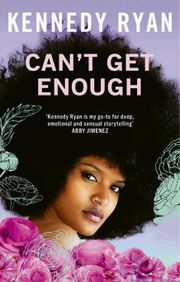
And this is one of the reasonswhy I love Kennedy Ryan's romance books, especially Before I Let Go, This CouldBe Us, and Can't Get Enough. Because yes, she adheres to the conventions ofthe romance genre, but that doesn't mean she shies away from the difficultsubject matter or other traumas and experiences that the characters could bedealing with.
In Welcome to the Hyunam-dong Bookshop, the community of people who come to thebookshop and the things that the main character does to cultivate communityare what make it feel cozy, not her building a business or escaping hercorporate career.