Mixed
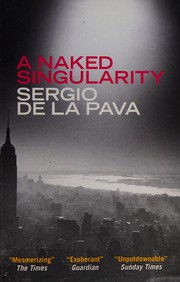
I absolutely loved the first maybe third of this book. If you love that kind of like slapstick postmodern vibe, you will love this book, but it kind of lost me in the latter half and I ended up not really loving it.
MixedI absolutely loved the first maybe third of this book. If you love that kind of like slapstick postmodern vibe, you will love this book, but it kind of lost me in the latter half and I ended up not really loving it.
 Liked
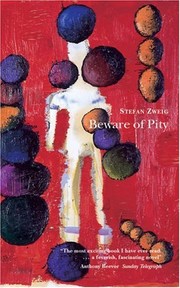
I really loved Zweig's ability to get into the head of the characters. You really felt like you were experiencing the same emotions that the protagonist was and he also is great at misdirection because he makes you think that certain characters or certain storylines are going in one place and they actually take a wildly different turn.
 Disliked
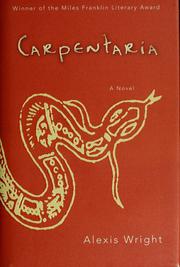
There's just something about Alexis Wright's writing style that triggered my ADHD unlike anything I've ever experienced before and getting through even a couple pages was like pulling teeth and I just had to call it quits and I did so with the blessing of our club members.
 Loved
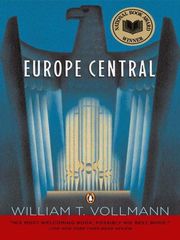
And another reason why I had to put this in the number one spot is there were a series of chapters right in the middle of the book that were some of the best chapters of any book I've ever read. I felt like Vollmann hit a cadence with the storytelling and the prose that just wrapped you up and did not let you go.
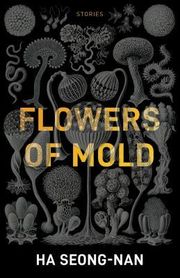
MixedI prefer more maximalist works, which is kind of the opposite of short stories and there were some short stories in here that were incredible that I really enjoyed and there were others that I just thought, "Why is this here? This just does not just does not fit."
LikedShelley's ability as a naturalist writer to describe the environment and the landscapes the story takes place in are second to none, but I did think the story was a little bit meandering at times. Overall, I did really enjoy it, but it just kind of reaffirmed my what I already knew is that I just don't really love writing from the 1800s.
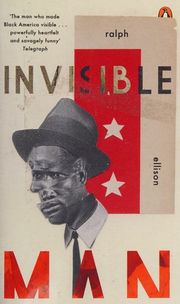
LovedBut yeah, this book absolutely lives up to the hype. Ralph Ellison's ability to paint a very vivid picture of what these characters are going through psychologically is fantastic.
LovedHe's a master of wordplay. The way he plays with the English language is, in my opinion, second to none. It's deeply philosophical, but it also doesn't hand you all of the answers.
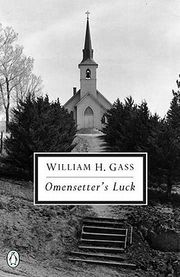
LovedI still think Omensetter's Luck is my favorite Gass novel, but I would probably put this on par with The Tunnel, but for very different reasons and it's incredible that he wrote such an interesting book at such a late stage of his life.
LovedBut by the end of this one, I could not put it down and this book reached me on an emotional level that I don't think I've experienced in a very long time. I finished this on a Friday and I literally could not stop stewing on it all weekend long.
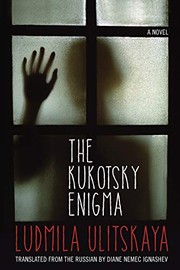
MixedIt's clear from the first and third parts in this book that Ulitskaya is a master of storytelling. I think what she was trying to do in part two was I mean, I commend her for experimentation, but it just lost me.
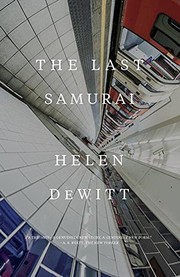
LikedMy only critique on this book is it felt like DeWitt had a little bit of a hard time landing the plane and I also think that maybe she was just like too smart for most people. So, there's a lot of stuff in this book that will probably go over your head, but if you're okay with that, it's still a very interesting story and I did find it to be quite unique.
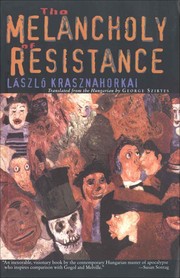
MixedOne of our book club members said that the book was more interesting than enjoyable and I think I would agree with that. It's a deeply philosophical work and Krasznahorkai stuffs a lot of different ideas in here. Some of them I would love to have seen been a little bit more fleshed out, but nonetheless, there is so much that you could get from this book and it probably deserves more than one read.