And I love his big, blustering, large-scale maximalist novels, but this novel is so much more dilated and sinuous than the heftier offerings. And I think that is what makes it for me the greatest of Charles Dickens novels and in my top 10 of the greatest books of all time.
THE 20 GREATEST BOOKS OF ALL TIME
But it's so mesmerizing and simmering with substrate with a substrate of sensuality. And you know, this novel is a monument to the terrible inner torments individuals face within the recesses of their own minds.
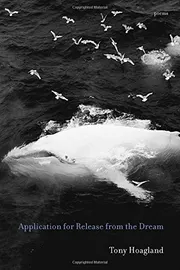
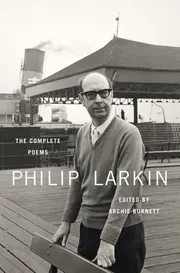
He wrote so many consequential poems diagnosing the flagrant callousness of 20th and 21st century consumerist culture with America as his as the locus of his poems. His work is elegiac, rueful, certainly very transgressive.
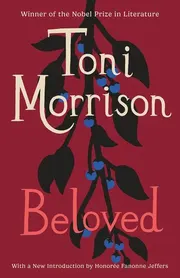
It is a mesmeric, wrenching novel full of cruelty, but also dauntless and with a an uncontainable spirit.
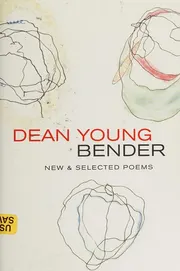
So, we'll come back to Tony Hoagland in a moment, but Dean Young is a poet of sustained vitality, ingenious high jinks. You know, more than 200 pages of such impressive verve and a real braiding of the sacred and the profane, which often has very comical results.
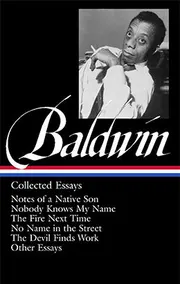
But, the essays are not all ferocious. They are at once disarming and sophisticated, heterodox but also concise. Taken all together, this is an unmatched and colossal document that will absolutely poleax any naysayer on the spot if they dare to read it.
This is Shakespeare's longest play and I've got some quibbles to make about it, but in spite of its flaws, I think it's one of the most astonishing works of literature.
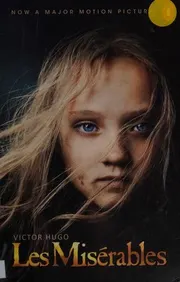
this is a sprawling socio-historical novel of at times long-winded but off and often boundlessly painful. But it's immense emancipatory in its ambition. It's a vast fresco of human struggle, infamy, pillage, largesse, pity, empathy, and hope.
This text is a forerunner really to the gothic in its cavernous, shadowy eeriness.
This work is at times overpoweringly brainy, but it's it's worth the concentration that it requires, that it asks of the reader. It's an emphatic work of rarefied learnedness with a lot of intertextual quotations and allusions.
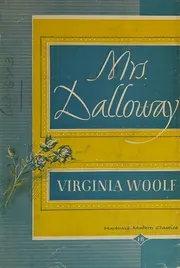
This is a kaleidoscopic, shimmering novel set in London with Clarissa Dalloway at the heart of the narrative. It's cubist and post-impressionistic in its cross-layering of perspectives and voices, polyvocal in that way, polyphonic even.
It's like prose that is so finely knit that it feels like a membrane of limpidity and liveliness. It's really astonishing. It's one of the greatest works ever written.
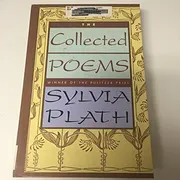
Plath was an unparalleled lyric poet with a darker splendor of voice. Aching, oblique, insolent, instinctive, and always riveting.
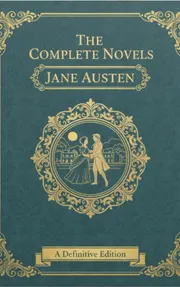
Across her oeuvre, we find debonair heroines who gleam and pirouette in our minds in our mind's eye with intrinsic veracity and heart and vigor.
This is powerful work in a minor scale. He's unpopular, especially these days, but in my eyes an undisputed genius.
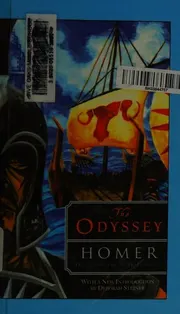
I love the Odyssey and it has the hallmarks of epic in many ways. It starts in medias res. It's really extensive.
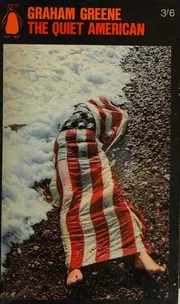
I am a card-carrying citizen of Greenland, and this is my favorite of Greene's novels.
It This novel is a glimmering palimpsest of modernism with an undercurrent of mythos. It's a perfect novel, a perfect work of art.
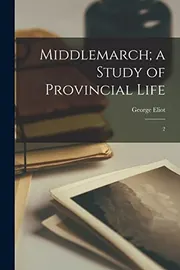
It's It's a perfect novel, and like I just said that To the Lighthouse is a perfect novel, and it is, but To the Lighthouse is 250 pages. So, to have a really perfect I would say flawless almost flawless novel of 800-plus pages is such an astonishing feat, but I stand by it.
This is the apotheosis, the quintessence of language. This expansive, commodious, cosmic, all-encompassing novel is the ultimate ungainsayable work of art.