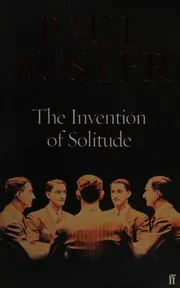
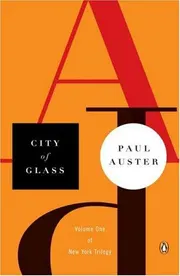
And I was kind of shocked by City of Glass, like considering that it's got this reputation as being this kind of postmodern, metafictional exploration of like the detective novel. I found it to be pretty shallow, inane, gimmicky. It started quite strongly.

I'll Never Read Another Paul Auster Book
There's some really, really good critical writings in here amongst some really poor critical writings, as well. So, with him with Auster, it's always, you know, from the sublime to the ridiculous across paragraphs or even sentences within a paragraph sometimes.
And it's I think just that kind of hand-to-mouth, rags-to-riches kind of life story can be so empowering and so inspiring and this one felt astonishingly sloppy, thrown together, and leaving out like really crucial details, kind of sidestepping topics that would have been difficult to write about like his relationship to his first wife and you know, her not being able to write because she was looking after the baby and he was trying to sell his first book.
And it's about his relationship to reading and to memory and to beloved people he has lost and it just really resonated deeply with me at the time. I haven't read it yeah in more than a decade, but I sort of have this sort of lingering afterthoughts or retrospective thought that it's quite pretentious.
And even at this stage across these memoirs, I started to notice him repeating himself and that is actually something that just continued. I felt like he was really sometimes leaning a little too comfortably on or complacently on an personal anecdotes and certain tropes.
I thought The Invention of Solitude was quite good. his meditation on fatherhood although I've since read far more accomplished and impressive and emotive works on fatherhood than this one, but it was it was interesting at the time.