 Mixed
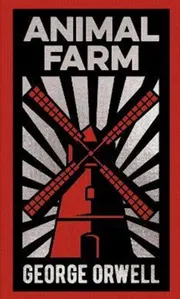
And you go, "It's an animal fable." That just so happens to be an allegory as well and political commentary.
MixedAnd you go, "It's an animal fable." That just so happens to be an allegory as well and political commentary.
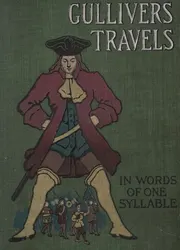
MixedAnd yet, you know, we don't look at Gulliver's Travels and go, "Yeah, but that whole society would never function." Okay. It's not realistic.
 Loved
You know, working out all of those calculations and it was a spur and a thing for him to explore in that story. And it gave him the impetus for story. You go, "That's awesome."
MixedAnd it was the players from this world playing a game, arrive in the world of Greyhawk, I think it is. And they have bracelets with polyhedral dice attached to them that anytime they attempt to do an action, roll and change and bring up the number. And that determines whether or not the action succeeds.
MixedAnd it's like okay, but can we see that there are analogies being made? That it's not an allegory but there are analogies that can be made between like a far right authoritarianism versus communism.
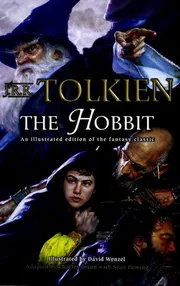
MixedSo, The Hobbit was being classified as a ludic narrative because there were word games in it. And I'm like, but The Hobbit isn't a ludic narrative. It is a narrative with a ludic section.
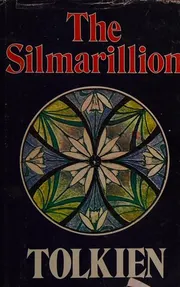
MixedAnd all we have to do is we look at The Silmarillion and we look at the tales and the histories of Middle-earth, all of these posthumous books to see no, it wasn't consistent and cohesive. It There was a whole fragmented multiple versions of the same stories that played out in different ways, things I get introduced in one story that never appear again because Mythic.